Slippery Jack Care (Suillus luteus)

Also known as: Purple-veiled Slippery Jack
Slippery Jack

About Slippery Jack

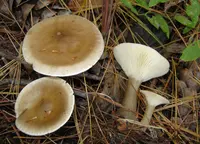
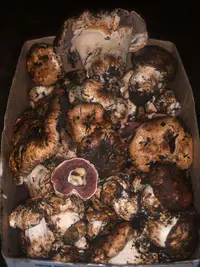
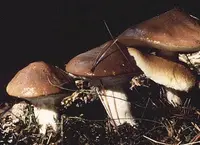
Slippery Jack, Suillus luteus, is a mycorrhizal mushroom that forms a symbiotic relationship with pine tree roots. It is not a houseplant but a forest-dwelling fungus. The caps are smooth, sticky when wet, and usually brown to yellow-brown, with a ring on the stem and sponge-like pores instead of gills.

This species naturally occurs across temperate regions, especially in pine plantations and sandy or poor soils where pines grow. It is considered relatively easy to find and identify in suitable habitats. Those who want to care for Slippery Jack outdoors should focus on supporting healthy pine hosts and maintaining moist, well-drained soil.

Main Plant Requirements

Care Difficulty

Moderate Care

Light Preference

Partial Shade

Water Requirements

Regular Water

Temperature Preference

Cool Climate

Hardiness Zone

2–8

Soil Texture

Sandy, Loamy, Organic-rich

Soil pH

Acidic (5.5–6.5)

Soil Drainage

Moist but well-drained

Fertilization

Minimal (feed rarely)

Get Personalized Care Plan

Scan your plant to receive care tips personalized for your specific plant

Available on iOS and Android

How to Care for the Slippery Jack

This ectomycorrhizal mushroom prefers bright woodland conditions with moderated light rather than full, exposed sun.

  • Site Suillus luteus in light dappled shade under pines, with 2–4 hours of gentle morning sun and filtered light for the rest of the day.
  • Avoid intense, direct afternoon sun in open areas, which can overheat the soil surface and dry the upper 5–10 cm, slowing mycelium growth.
  • In summer, use leaf litter or low groundcover for slight shade, while in autumn more open light helps fruiting bodies form and mature evenly.

This pine-associated fungus needs consistently moist, not saturated, soil to support stable mycelium development.

  • Maintain soil that feels evenly moist 5–10 cm down; allow the top 1–2 cm to dry slightly between natural rains or supplemental watering.
  • Use well-drained, sandy or sandy-loam soil so excess water moves away quickly; standing water or sour, swampy smell signals poor drainage and root-zone stress for Suillus luteus.
  • Increase moisture support during warm, dry spells to prevent cracking soil, and reduce supplemental water in cool, wet seasons to avoid prolonged waterlogging and reduced fruiting.

This species fruits best in cool to mild conditions typical of pine woods in temperate climates.

  • Support vegetative mycelium growth at roughly 50–68°F (10–20°C), which matches many conifer forest soils in spring and autumn.
  • Expect fruiting to be most reliable around 50–60°F (10–16°C); short dips to 32°F (0°C) may slow activity but brief light frosts rarely destroy established mycelium.
  • Avoid prolonged extremes above 80°F (27°C) or below 25°F (-4°C), which can desiccate or freeze soil, reducing long-term productivity and delaying seasonal recovery.

Humidity is not a significant factor for Suillus luteus, which fruits outdoors in natural conditions.

Suillus luteus requires specific outdoor soil conditions because it forms a mycorrhizal partnership with pine roots.

  • Use a light, sandy to sandy-loam soil around pine trees, with plenty of well-decomposed organic matter from needles and leaf litter.
  • Ensure rapid drainage so water does not pool; the soil should feel loose and crumbly, not compacted or sticky after rain.
  • Aim for slightly acidic soil around pH 4.5–6.0, typical of conifer forests, and avoid adding lime that raises pH.
  • Improve aeration by gently loosening the top 5–10 cm with a fork, avoiding damage to nearby pine roots.

This species is not suitable for growing in containers because it depends on a mycorrhizal relationship with living pine roots in the ground.

This mycorrhizal fungus relies mainly on its pine host for nutrients, so Slippery Jack needs little direct fertilization.

Suillus luteus fruiting bodies do not need structural pruning, only basic sanitation of the surrounding area.

This species is usually grown outdoors with pine hosts, so care focuses on transplanting young host trees rather than moving the fungus itself.

  • Transplant pine seedlings inoculated with Suillus luteus in early spring or early fall when temperatures are mild.
  • Choose a permanent site with well-drained, slightly acidic soil and minimal disturbance once planted.
  • Handle the root ball gently to keep fine roots and mycorrhizal associations intact.
  • Water thoroughly after transplanting, then keep soil evenly moist but not waterlogged during establishment.

Suillus luteus is normally propagated by spores and by spreading mycelium through suitable pine host roots rather than by standard plant methods.

This fungus is cold hardy in most temperate pine forests and usually needs no special winter care once established.

Care Tips

Host tree selection

Establish this mycorrhizal fungus with young 2–5 year old pine seedlings rather than mature trees, as the developing root systems form symbiosis more readily and support higher, more reliable fruiting over time.

Minimal soil disturbance

Keep the planting area free from cultivation, raking, or deep digging so the fine mycelial network around pine roots stays intact and can build up enough biomass to produce regular mushroom flushes.

Mulch management

Apply a thin, loose layer of pine needles or coarse bark around host trees to conserve moisture yet avoid thick or compact mulch that can limit gas exchange and reduce mushroom emergence to the surface.

Targeted watering zone

When irrigating, focus water on the drip line of the pine canopy rather than the trunk base, as most active feeder roots and associated fungal mycelium occupy this outer ring where moisture is most effective.

Fruiting hygiene

Harvest mushrooms by cutting cleanly at the base and promptly removing any decaying caps from the site to limit mold buildup and help maintain a healthier fruiting area when growing Slippery Jack.

Everything About Slippery Jack

Common Pests and Diseases

Mycena infection

This disease affects the fruiting bodies, causing pale spots, deformation, and rapid decay of the caps and stems. Symptoms include water-soaked areas that turn soft and collapse.

Solution

Remove and discard infected mushrooms as soon as spotted to limit spore spread, and avoid disturbing the area in wet conditions. Reduce dense thatch and plant debris around host pines to improve air flow, and time harvesting in drier weather to lower infection pressure.

Hypomyces parasiticus

This disease is caused by a parasitic fungus that overgrows the mushroom surface with a whitish to yellow crust, leading to misshapen, dry, and inedible fruiting bodies. Symptoms include loss of normal cap color and texture and eventual collapse of the mushrooms.

Solution

Promptly collect and discard parasitized fruiting bodies, including nearby affected debris, to reduce the local spore load. Avoid transporting contaminated soil or mushroom material to new areas, and maintain good spacing and organic matter management around host pines to limit prolonged surface moisture.

Bolete maggots

These insects are fly larvae that tunnel through the caps and stems, leaving winding galleries and soft, discolored flesh. Symptoms include small entry holes on caps and rapid internal breakdown of the mushroom.

Solution

Harvest mushrooms early and inspect by cutting through the stem and cap, discarding any that show tunneling or larvae. Use breathable collection baskets instead of plastic bags, and remove infested specimens from the site to reduce local breeding populations when caring for Slippery Jack.

Slugs and snails

These pests chew irregular holes in caps and stems and often leave slime trails on the surface. Symptoms include shredded margins on caps and missing tissue near the soil line.

Solution

Hand-pick slugs and snails during damp evenings and remove them from the area, and limit moist hiding places such as dense groundcover or boards. Physical barriers like copper bands or gritty mulches around young pines can reduce access to developing mushrooms without affecting soil biology.

Interesting Facts

Sticky ringed stem

Mature fruiting bodies develop a distinctive slimy ring or collar on the upper stem that comes from the partial veil covering the pores in young specimens, which is a key feature used to separate it from many other Suillus species.

Pine plantation specialist

This fungus forms an ectomycorrhizal partnership with 2-needle pines such as Scots pine and introduced lodgepole pine, and has spread widely outside its native range by hitchhiking with these planted trees in commercial forestry.

Cap slime adaptation

The thick, gelatinous cap cuticle becomes very slimy in wet weather and is thought to help reduce desiccation of the fruiting body and protect the pore surface from debris while spores mature.

Botan icon

Did you know?

Suillus luteus was one of the first ectomycorrhizal fungi to be deliberately introduced into new regions, such as parts of the Southern Hemisphere, to improve pine establishment and growth in poor soils, making it an early example of intentional fungal inoculation in large-scale forestry.

FAQs about Slippery Jack

This mushroom is considered edible once the slimy cap cuticle is peeled off and the stem base trimmed. Only consume well-cooked, correctly identified specimens. Some people experience mild digestive upset, so try a small portion first.

Grow Healthy Plants with Botan Care

Keep your plants happy and healthy with plant identification, disease detection, and easy care guidance.

Botan plant care app — identify plants on mobile

Explore More Plants