Starfruit Care (Averrhoa carambola)

Also known as: carambola
Starfruit

About Starfruit

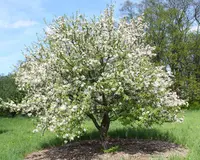
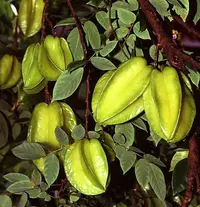
Starfruit, Averrhoa carambola, is an evergreen tropical fruit tree known for its distinctive star-shaped, ridged fruits with translucent, waxy skin. It typically grows with a rounded crown and fine, leaf-covered twigs that give it a soft, feathery look.

This species is native to Southeast Asia but is now widely cultivated in tropical and subtropical regions, including parts of the United States such as Florida and Hawaii. It prefers warm temperatures, consistent moisture, and well-drained, slightly acidic soil.

Starfruit trees are moderately demanding, as they react poorly to cold, drought, and waterlogging. Understanding how to care for Starfruit early on helps reduce stress-related problems and supports steady growth and fruiting.

Main Plant Requirements

Care Difficulty

Moderate Care

Light Preference

Full Sun

Water Requirements

Regular Water

Temperature Preference

Tropical / Frost Sensitive

Hardiness Zone

10–12

Soil Texture

Sandy, Loamy, Organic-rich

Soil pH

Acidic (5.5–6.5), Slightly acidic (6.5–7.0)

Soil Drainage

Moist but well-drained

Fertilization

Moderate (every 2–4 weeks)

Get Personalized Care Plan

Scan your plant to receive care tips personalized for your specific plant

Available on iOS and Android

How to Care for the Starfruit

This tropical fruit tree needs strong light to flower and fruit well outdoors.

  • Provide 6–8 hours of direct sun daily, ideally with morning sun and light afternoon shade in hot climates.
  • Tolerates light partial shade (around 4–5 hours sun), but fruiting and branching decrease as shade increases.
  • In summer, protect from intense late-afternoon sun and reflective heat; in winter, avoid deep shade by pruning nearby plants that cast heavy shadows on Starfruit.

This species prefers evenly moist, well-drained soil and reacts quickly to drought or waterlogging.

  • Water when the top 3–5 cm of soil feel dry, applying enough to moisten the root zone without leaving standing water.
  • Increase frequency in hot, dry periods and during flowering and fruiting; reduce slightly in cool seasons while never allowing the root ball to fully dry.
  • Signs of overwatering include yellowing leaves and dieback, while dull, curling leaves and premature fruit drop suggest Averrhoa carambola is too dry.

This subtropical tree performs best in consistently warm, frost-free conditions.

  • Ideal growing temperatures are 70–90°F (21–32°C), with steady warmth promoting flowering, fruit set, and new growth.
  • Short drops to 40–45°F (4–7°C) may be survived, but growth slows; tissue damage and leaf drop often start below about 40°F (4°C).
  • The plant is highly frost-sensitive; protect from freezing winds, and provide light shade or mulch around roots during 95–100°F (35–38°C) heat to limit stress.

This species prefers moderately high humidity to support healthy foliage and flowering.

  • Aim for 50–70% humidity; prolonged levels below 40% often lead to leaf tip browning and marginal scorch.
  • It tolerates short dry-air spells if soil moisture is stable, but young container plants react faster to low humidity.
  • Increase humidity with nearby water trays, grouped plants, or a room humidifier rather than frequent misting, which adds only brief moisture.

Averrhoa carambola needs slightly acidic, well-drained, yet moisture-retentive soil for steady growth and fruiting.

  • Use a loamy mix with 40–60% organic matter such as compost plus mineral components like sand or perlite for structure.
  • Target pH 5.5–6.5; avoid highly alkaline mixes that can cause nutrient lockout and chlorotic (yellow) leaves.
  • Ensure rapid drainage; water should pass through within seconds, leaving the mix evenly moist but never waterlogged.
  • Improve aeration by incorporating coarse sand, fine bark, or perlite and avoid mixes dominated by fine peat alone.

This species can be grown in large containers if provided with ample root space and stable support.

  • Choose a deep, heavy container so roots anchor securely and the plant remains stable in wind as the canopy enlarges.
  • Use a pot with multiple low-side and bottom drainage holes to prevent perched water layers around the deeper root zone.
  • Position the container on pot feet or a stand so runoff clears quickly and oxygen can enter the drainage openings.

Averrhoa carambola benefits from consistent but moderate feeding to support flowering and fruiting.

  • Use a balanced NPK fertilizer (such as 10-10-10) or well-aged compost during active growth.
  • Apply fertilizer every 4–6 weeks in spring and summer, reducing to light or no feeding in fall and winter.
  • Dilute liquid fertilizer to 1/2–3/4 strength to prevent root burn in container-grown Starfruit.
  • Lightly water the soil before and after applying fertilizer to distribute nutrients evenly and avoid salt buildup.

Thoughtful pruning supports structure, light penetration, and fruit production in Averrhoa carambola.

  • Prune in late winter or very early spring, before strong new growth begins.
  • Remove dead, diseased, crossing, or storm-damaged branches using clean, sharp bypass pruners or loppers.
  • Thin crowded interior shoots to improve airflow and light, which can enhance flowering and reduce disease risk.
  • Shorten excessively long or upright branches to maintain a balanced, open canopy and manageable tree height.

This species is often grown in-ground, but young or container-grown plants still benefit from careful transplanting.

  • Transplant or up-pot in late spring when soil is warm and frost risk has passed.
  • Look for signs such as roots circling the pot, slow growth, or frequent drying as indicators that a larger container or ground planting is needed.
  • Move up 1 container size only, using a well-drained, slightly acidic mix, and gently loosen circling roots without tearing them heavily.
  • Water thoroughly after transplanting, provide light shade for 3–7 days, and avoid heavy fertilizing until new growth resumes.

Averrhoa carambola is propagated mainly from seeds and grafted or cutting-grown material for better fruit quality.

  • Sow fresh seeds in late spring in a warm medium at 75–85°F, keeping it evenly moist but not waterlogged.
  • For semi-hardwood cuttings, take 10–15 cm pieces with several nodes in late spring or summer and use rooting hormone.
  • Place cuttings in a sterile, well-drained mix under high humidity and bright, indirect light until roots form.
  • Grafting named cultivars onto vigorous rootstocks is common for consistent fruit quality and earlier bearing.

This tropical tree is frost-sensitive and needs protection in climates with cool or freezing winters.

  • Avoid exposure below 30°F; young trees can be damaged or killed by even light frost.
  • Apply 5–8 cm of organic mulch around the root zone, keeping it a few cm away from the trunk.
  • Wrap trunks of young trees with breathable frost cloth during cold snaps to limit bark injury.
  • Move container-grown plants indoors or into a heated greenhouse before night temperatures drop near 40°F.

Care Tips

Wind and branch support

In windy sites, install 2–3 sturdy stakes and use soft, flexible ties to support the main trunk and heavy fruiting branches so young trees do not snap under wind or crop weight.

Targeted fruit thinning

Once fruit reach 2–3 cm, remove crowded or deformed fruits so the remaining ones are spaced 10–15 cm apart, which improves size, quality, and reduces limb strain.

Mulch for root protection

Maintain a 5–8 cm ring of organic mulch over the root zone, keeping it 5–8 cm away from the trunk, to stabilize soil moisture, cool roots, and reduce weed competition.

Cold event preparation

Before forecast drops below 35°F, water the soil thoroughly, add extra mulch, and cover the canopy with frost cloth supported on a simple frame so leaves and young wood are protected from direct contact with the cover.

Regular nutrient leaf checks

Inspect new and mature leaves monthly for pale color, interveinal yellowing, or tip burn, and adjust fertilization or apply chelated micronutrients as needed since early correction of deficiencies is key to successful growing Starfruit.

Common Pests and Diseases

Carambola fruit fly

This pest lays eggs under the fruit skin, and larvae feed inside, causing internal breakdown, premature drop, and small puncture marks on the surface. Symptoms include soft, discolored fruit with tunnels and maggot presence.

Solution

Collect and destroy all infested and fallen fruit, and harvest fruit promptly at proper size to break the life cycle. Use fine mesh fruit bagging on trees, combined with baited traps placed around the canopy, to reduce adult fly populations in sensitive home gardens.

Starfruit aphids

These insects cluster on tender shoots and leaf undersides, sucking sap and causing leaf curling, distortion, and sticky honeydew that encourages sooty mold. New growth may appear stunted and misshapen under heavy infestations.

Solution

Rinse colonies off young shoots and leaves with a firm stream of water, repeating every few days as needed. For persistent problems, apply insecticidal soap or light horticultural oil thoroughly to leaf undersides and new growth, and prune out heavily infested shoot tips when practical.

Scale insects

These insects appear as small, fixed bumps on stems, leaf midribs, and sometimes fruit, where they feed on sap and weaken the tree. Symptoms include yellowing leaves, reduced vigor, sticky honeydew, and black sooty mold on surfaces below the canopy.

Solution

Gently scrape or wipe small colonies from branches with a soft brush or cloth, and prune out heavily encrusted twigs. For broader infestations, apply a horticultural oil spray to thoroughly coat stems and leaf midribs, targeting crawler stages and repeating according to label directions for long-term suppression.

Anthracnose

This disease causes dark, sunken spots on leaves, flowers, and fruit, often with irregular edges and possible fruit cracking in humid, warm conditions. Symptoms include premature leaf drop and poor fruit quality, especially after rains or overhead irrigation.

Solution

Remove and discard infected leaves and mummified fruit from the tree and ground, and avoid wetting foliage by using drip irrigation or watering at soil level. Improve canopy airflow with light pruning, and in wet climates consider preventive copper-based fungicide sprays at flowering and early fruit set following product directions.

Algal leaf spot

This disease produces small, raised, green to reddish-brown spots or patches on leaves and sometimes twigs, caused by a parasitic alga that thrives in humid, shaded conditions. Symptoms include roughened leaf surfaces and occasional twig dieback on heavily affected branches.

Solution

Prune to open the canopy and increase light and air movement, and remove badly affected leaves and twigs to lower inoculum levels. In persistently humid areas, apply a copper-based product labeled for algal leaf spot to both upper and lower leaf surfaces, repeating during peak humidity periods as directed on the label.

Interesting Facts

Distinct five‑ribbed fruit

The fruit develops 5 prominent longitudinal ridges, and when sliced crosswise, each piece shows a characteristic star shape, which gives rise to the common name starfruit or carambola.

Continuous flowering habit

In tropical and subtropical climates the tree can produce flowers and fruits multiple times a year, often with overlapping cycles, so blossoms and ripe fruit may appear on the same tree simultaneously.

High oxalate content

The fruit, especially when unripe, contains relatively high levels of oxalic acid, which gives a sharp, tart taste and is the reason some people with kidney disease are advised to avoid it.

Botan icon

Did you know?

The flowers of Averrhoa carambola are small, pink to lavender, and are pollinated by a mix of insects such as bees and flies, but in many cultivated areas fruit set is significantly improved by the presence of specific bee species that visit during the cooler morning hours.

FAQs about Starfruit

Yellowing leaves usually come from overwatering, poor drainage, or nutrient imbalance, especially nitrogen or iron deficiency. Check that the root zone drains well, reduce watering if soil stays wet, and apply a balanced, slow-release fertilizer if needed.

Grow Healthy Plants with Botan Care

Keep your plants happy and healthy with plant identification, disease detection, and easy care guidance.


Botan plant care app — identify plants on mobile

Explore More Plants