musk rose Care (Rosa moschata)

musk rose

About musk rose

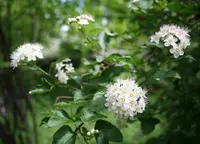
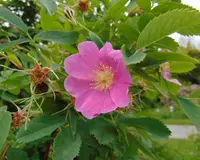
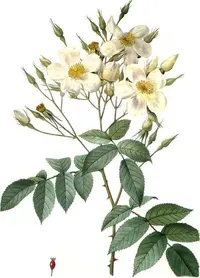
Musk rose, Rosa moschata, is a deciduous shrub rose known for its clusters of small, white to pale pink, strongly scented flowers. It typically forms an open, arching bush that can be trained as a large shrub or a loose climber on supports.

This species is native to regions around the western Himalayas and has been used in breeding many fragrant garden roses. It is generally considered fairly adaptable and not especially demanding, which helps simplify how to care for musk rose.

Musk rose prefers a sunny position with good air movement, moderately moist but well-drained soil, and benefits from regular deadheading to encourage repeat flowering.

Main Plant Requirements

Care Difficulty

Moderate Care

Light Preference

Full Sun

Water Requirements

Moderate Water

Temperature Preference

Warm Climate

Hardiness Zone

6–9

Soil Texture

Sandy, Loamy, Organic-rich

Soil pH

Acidic (5.5–6.5), Slightly acidic (6.5–7.0)

Soil Drainage

Moist but well-drained

Fertilization

Light (every 4–6 weeks)

Get Personalized Care Plan

Scan your plant to receive care tips personalized for your specific plant

Available on iOS and Android

How to Care for the musk rose

Rosa moschata performs best with consistent, direct sun but tolerates some light shade in hot climates.

  • Provide 6–8 hours of direct sun daily, with morning sun and light afternoon shade preferred in hotter regions to reduce leaf scorch.
  • Allow partial shade of 2–4 hours, especially in the afternoon; flowering of musk rose decreases if light drops below about 4–5 hours of sun.
  • In winter, maximize exposure by avoiding shade from buildings or evergreens; in summer, avoid reflected heat from walls that can overheat foliage.

Rosa moschata prefers evenly moist, well-drained soil and responds best to deep, infrequent watering.

  • Water when the top 3–5 cm of soil feels dry, applying a slow, deep soak at the base so moisture reaches 20–30 cm down.
  • Reduce watering in cool, rainy seasons; increase during hot, dry weather, but let the surface dry slightly between waterings to limit fungal problems.
  • Ensure soil drains freely; signs of overwatering include yellowing leaves and soft stems, while crisp, wilted leaves and dry, hard soil indicate underwatering.

This rose handles a wide outdoor temperature range but grows and flowers best in mild conditions.

  • Aim for active growth in 65–80°F (18–27°C); buds and flowers form most reliably in this range with good air circulation.
  • Mature plants tolerate winter lows near 10–15°F (−12 to −9°C) with proper mulching, but repeated hard freezes below this can damage canes.
  • In summer, growth may slow above 90°F (32°C); provide mulch and consistent soil moisture to protect roots during heat waves and dry winds.

This species prefers moderate outdoor humidity and usually copes well with typical garden conditions.

  • Aim for 40–60% humidity in sheltered planting sites, similar to most temperate outdoor conditions.
  • Dry, hot winds can desiccate foliage; provide windbreaks or plant in a slightly protected position.
  • Humidity stress appears as crisp leaf edges and quicker flower fade; improve air moisture slightly with nearby companion planting or mulching the root zone.

Rosa moschata prefers deep, moderately fertile, well‑drained loam with consistent moisture.

  • Use a loamy structure rich in organic matter, mixing garden loam with 25–40% compost for better water retention and nutrient supply.
  • Ensure drainage by avoiding heavy, compacted clay; if necessary, amend with sharp sand and fine bark to open the soil profile.
  • Target a slightly acidic to neutral pH around 6.0–7.0, avoiding strongly acidic or strongly alkaline sites that limit nutrient uptake.
  • Improve aeration by double‑digging or broadforking the bed before planting and keeping a 5–8 cm organic mulch layer, not touching the stems.

This species can be grown in containers when given ample root space and stable support outdoors.

  • Choose a heavy, frost‑resistant pot at least 45–50 cm deep to anchor the plant and prevent tipping in wind.
  • Use a slightly raised pot base or pot feet so drainage holes stay clear and water does not pool under the container.
  • Position the container where you can secure a trellis or support structure to keep long, flexible canes stable and off the ground.

Rosa moschata responds well to moderate, balanced feeding during the main growing season.

  • Apply a balanced NPK rose fertilizer or well-rotted compost every 4–6 weeks from early spring to mid-summer.
  • Use slow-release granules in the root zone, following label rates rather than increasing strength.
  • For liquid feeds, dilute to 1/2 strength and apply to moist soil, never to dry roots.
  • Stop feeding 6–8 weeks before expected frost to allow shoots to harden and reduce tender growth.

Rosa moschata benefits from light structural pruning to maintain flowering and healthy growth.

  • Prune in late winter or very early spring before vigorous new growth starts.
  • Remove dead, diseased, crossing, or very weak stems with clean, sharp bypass pruners.
  • Thin crowded centers by taking out a few older canes at the base to improve light and airflow.
  • Shorten remaining flowering shoots by up to 1/3 to shape the shrub and encourage new blooming wood.

This species is usually grown in the ground, so focus on careful outdoor transplanting rather than frequent repotting.

  • Transplant during late fall or early spring when the plant is dormant and conditions are cool.
  • Look for signs such as slow growth, poor flowering, or roots circling a container before moving musk rose.
  • Dig a wide hole, loosen the root ball gently, and set at the same soil level to limit transplant shock.
  • Water thoroughly after planting, then keep soil evenly moist and shaded at the base for 2–3 weeks.

Rosa moschata is commonly propagated from cuttings and sometimes by layering for reliable cloning of good plants.

  • Take semi-ripe cuttings in late summer or hardwood cuttings in late fall for best strike rates.
  • Use 10–15 cm cuttings with 2–3 nodes, removing lower leaves and any flower buds.
  • Insert cuttings into a free-draining medium, keep at 65–75°F, and maintain high humidity with bright shade.
  • For simple layering, bend a flexible stem to the soil, pin and lightly cover a section, then sever once well rooted.

Rosa moschata is moderately cold hardy but benefits from basic winter protection in colder regions.

  • Tolerates light frost but may suffer dieback in prolonged freezes below about 10–15°F.
  • Apply a 5–8 cm mulch layer around the root zone in late fall, keeping mulch off the stems.
  • In very cold climates, mound soil or compost 10–15 cm high around the base to shield lower buds.
  • Move container-grown plants into a sheltered, unheated but frost-free spot and water sparingly.

Care Tips

Train Long Canes

While canes are still flexible, secure them horizontally or in gentle arches along wires or a fence, which encourages more flowering side shoots along each stem and creates a fuller, more floriferous display.

Encourage Air Flow

Space plants and supports so that mature canes are not crowded, then periodically thin out congested interior growth to reduce black spot and mildew pressure by improving air circulation through the canopy.

Use Soft Ties

Attach stems to supports with soft, wide ties such as horticultural tape or strips of old fabric, checking each spring to loosen or reposition them so expanding canes are not constricted or damaged.

Layering Propagation

To easily grow Rosa moschata, pin a healthy, flexible cane to the soil surface and lightly cover a section with soil, then cut and transplant the rooted portion after 1 growing season once new roots and shoots are established.

Winter Cane Management

In colder regions, gently bundle and tie long canes together and, if possible, lean them onto a support or low structure, which reduces wind rock and mechanical damage to the root system over winter.

Common Pests and Diseases

Rose aphids

This pest commonly clusters on new shoots, buds, and flower stems, sucking sap and causing distortion of young growth. Symptoms include sticky honeydew and sooty mold on leaves and buds.

Solution

Prune off heavily infested shoot tips and crush or rinse small colonies with a strong stream of water. For ongoing problems, use insecticidal soap or a ready-to-use horticultural oil, making sure to coat the undersides of leaves and repeating every 5–7 days as needed, while encouraging natural predators such as lady beetles by avoiding broad-spectrum insecticides nearby.

Rose black spot

This disease causes round black or very dark purple spots with fringed edges on leaves, often followed by yellowing and early leaf drop. Symptoms include progressive defoliation from the lower part of the shrub upward in warm, wet weather.

Solution

Collect and discard fallen leaves and remove badly affected foliage to reduce spores, then water at soil level to keep leaves dry. Improve air circulation around the shrub, avoid overhead watering, and apply a labeled rose fungicide preventively in spring and during extended wet periods, following the product schedule closely as part of overall Rosa moschata care instructions.

Powdery mildew

This disease produces white or gray powdery growth on young leaves, stems, and flower buds, which may curl or distort. Symptoms include reduced vigor and poor flowering in dry days with cool, humid nights.

Solution

Increase air circulation by thinning crowded stems and avoid overhead watering in the evening. Remove the worst-affected shoots and apply a suitable sulfur or potassium bicarbonate fungicide at the first sign of infection, repeating according to label directions during high-risk periods.

Rose leafhopper

These insects feed on the undersides of leaves, causing many small pale speckles and a general faded look, and they may cause leaf drop in heavy infestations. This pest is often noticed when disturbed, as small, wedge-shaped insects jump from the foliage.

Solution

Rinse leaf undersides with a strong jet of water to dislodge nymphs and adults, and remove heavily affected leaves if practical. For persistent infestations, use insecticidal soap or a light horticultural oil directed to the leaf undersides, and reduce nearby leaf litter where nymphs can develop.

Botrytis blight

This disease affects buds and flowers, causing them to turn brown, soften, and fail to open, often with gray, fuzzy mold on petals and sepals. Symptoms include blighted flower clusters in cool, damp weather, especially on dense, shaded shrubs.

Solution

Remove and discard all affected buds, flowers, and nearby debris, and avoid overhead watering to keep flowers as dry as possible. Improve air movement by selective pruning and, in severe or recurring cases, apply a labeled fungicide for Botrytis during cool, wet spells, focusing on flower clusters and nearby foliage.

Interesting Facts

Distinct musk fragrance

The true musk rose has a characteristic musky scent that is produced mainly at night and early morning, and this fragrance has been historically important in perfumery as a blending note.

Ancient garden lineage

Rosa moschata has been cultivated in Western Asia and the Mediterranean region for centuries and is one of the old garden rose species used in breeding many historic hybrid roses, including some early noisette and hybrid musk roses.

Extended blooming season

In mild climates this species can flower repeatedly from late spring into autumn, producing loose clusters of simple white flowers that continue to form on new growth rather than blooming only once per year.

Botan icon

Did you know?

Historical evidence suggests that Rosa moschata was already being grown in European gardens by the late Middle Ages, and its distinctive scent and long flowering period made it a valued parent in the development of many classic rose groups that shaped later ornamental rose breeding.

FAQs about musk rose

Lack of flowers often results from insufficient light, overfertilizing with high‑nitrogen products, or pruning at the wrong time and removing flowering wood. Poor air circulation, heavy shade, or severe stress from drought or root damage can also reduce blooming.

Grow Healthy Plants with Botan Care

Keep your plants happy and healthy with plant identification, disease detection, and easy care guidance.


Botan plant care app — identify plants on mobile

Explore More Plants