wild-medlar Care (Vangueria infausta)

Also known as: Velvet Wild-medlar
wild-medlar

About wild-medlar

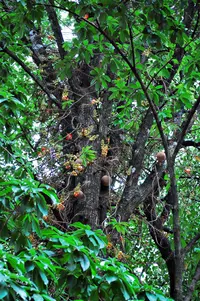
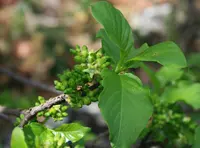
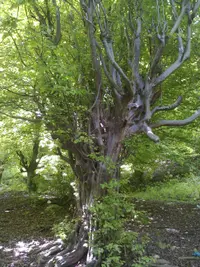
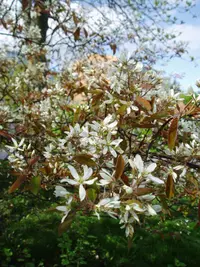
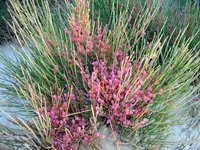
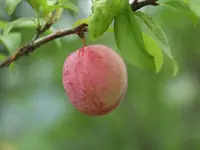
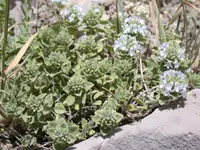
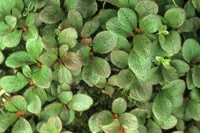
Wild-medlar (Vangueria infausta) is a small, deciduous fruit tree or large shrub from savanna and woodland areas of southern and eastern Africa. It is grown mainly for its brown, edible fruits, which have a soft, floury pulp and are often enjoyed fresh or processed. The plant has a bushy, irregular crown, simple opposite leaves, and small greenish flowers that develop along the branches. It adapts fairly well to warm, frost-free climates but can be slow to establish and resents prolonged waterlogging. Light, well-drained soil and full sun generally support healthier growth and make it easier to care for wild-medlar.

Main Plant Requirements

Care Difficulty

Moderate Care

Light Preference

Full Sun

Water Requirements

Moderate Water

Temperature Preference

Warm Climate

Hardiness Zone

10–12

Soil Texture

Sandy, Loamy, Rocky

Soil pH

Acidic (5.5–6.5), Slightly acidic (6.5–7.0)

Soil Drainage

Well-drained

Fertilization

Minimal (feed rarely)

Get Personalized Care Plan

Scan your plant to receive care tips personalized for your specific plant

Available on iOS and Android

How to Care for the wild-medlar

This shrub thrives in warm, bright conditions typical of open woodland or savanna margins.

  • Provide 6–8 hours of direct sun daily, ideally with gentle morning sun and some light afternoon shade in very hot regions to protect leaves from scorch.
  • Tolerates light partial shade, but wild-medlar fruits and flowers best where it receives mostly unfiltered sun and is not overhung by larger trees.
  • In hotter months, young plants benefit from temporary shade cloth during midday; in cooler seasons, avoid dense shade that leads to sparse, leggy growth.

Watering should support deep rooting while avoiding prolonged soil saturation.

  • Allow the top 5–8 cm of soil to dry before watering again; use well-drained, sandy or loamy soil so water does not pool around the roots.
  • Increase watering slightly in the main growing season if new leaves wilt by midday and recover by evening, a common sign of mild drought stress in Vangueria infausta.
  • Reduce watering in cooler months, and watch for overwatering signs such as yellowing leaves, soft stems, or sour-smelling, soggy soil around the root zone.

This species prefers warm, frost-free conditions typical of subtropical to warm-temperate climates.

  • Aim for 68–86°F (20–30°C) for strongest growth and flowering, especially during the main growing season.
  • Short dips to about 32°F (0°C) may be survived by mature plants, but repeated frosts can damage young shoots and reduce long-term vigor.
  • In very hot spells above 95°F (35°C), provide mulch and occasional afternoon shade to limit heat stress and prevent leaf scorch.

This species tolerates a wide humidity range and usually does not need special humidity management indoors or outdoors.

  • Target 30–60% humidity, which matches most indoor and many outdoor conditions in its growing range.
  • Dry household air is usually tolerated, but prolonged very dry air combined with heat can cause marginal leaf browning and tip dieback.
  • If air is extremely dry, group plants together or place the pot on a pebble tray with water below the pot base to slightly raise local humidity.

Vangueria infausta prefers well-drained, moderately fertile soil that stays aerated after watering.

  • Use a sandy or loamy base with coarse texture so water drains within a few minutes and roots receive oxygen.
  • Aim for slightly acidic to neutral pH, around 6.0–7.0, which supports nutrient uptake without frequent deficiencies.
  • For container or bed preparation, combine roughly 50% loam, 30–40% coarse sand, and 10–20% compost for structure and moderate fertility.
  • Avoid compacted clay, waterlogged spots, or mixes heavy in unamended peat that stay wet for long periods and suffocate roots.

This species can be grown in containers if the pot is sized and weighted to support its eventual shrub form.

  • Select a deep, wide container to allow a spreading root system, as shallow pots dry and heat up too quickly for stable growth.
  • Choose a heavy material such as thick terracotta or concrete to reduce tipping risk as the shrub becomes woody and top-heavy.
  • Ensure multiple, unobstructed drainage holes so excess water leaves the container rapidly, preventing root damage after heavy rain or deep watering.

This drought-tolerant African fruit tree needs modest feeding but responds well to light nutrition when grown in garden or orchard settings.

  • Use a balanced NPK fertilizer or well-rotted compost once every 6–8 weeks during the warm growing season for wild-medlar.
  • Apply at half the label strength for young trees, increasing only as growth and leaf color indicate good tolerance.
  • Spread granular or slow-release fertilizer over the root zone, then water thoroughly to move nutrients into the topsoil.
  • Stop feeding 4–6 weeks before winter so new growth can harden and the plant can enter dormancy without soft, frost-sensitive shoots.

Vangueria infausta benefits from light, structural pruning rather than heavy cutting.

  • Carry out main pruning in late winter or very early spring, before active growth resumes.
  • Remove dead, diseased, rubbing, or storm-damaged branches first to reduce infection risk and improve airflow.
  • Thin crowded interior shoots to allow more light penetration, which supports flowering and fruit set on remaining branches.
  • Use clean, sharp bypass pruners or a pruning saw, making smooth cuts just outside the branch collar to aid healing.

This species is usually grown in the ground, so guidance focuses on transplanting young trees from nursery containers.

  • Transplant in late winter to early spring when soil is workable and before strong new growth, aiming for every 1–2 years while young.
  • Look for roots circling inside the pot, slow shoot growth, or quick drying soil as cues that a larger planting space is needed.
  • Water the plant thoroughly the day before, then gently loosen and tease apart circling roots to encourage outward growth into native soil.
  • Set the root ball at the same depth as in the container, backfill with loosened soil, water deeply, and mulch to limit transplant shock.

This fruit tree is most often propagated from seed, with some potential for semi-hardwood cuttings in suitable conditions.

  • Collect fully ripe fruits in late summer to autumn, clean off pulp, and sow fresh seeds for the best germination rates.
  • Sow seeds in a well-drained, sandy mix, cover lightly, and keep at 70–80°F with steady but not waterlogged moisture.
  • Expect slow, sometimes uneven germination; maintain warmth and avoid disturbing trays while roots establish.
  • For experimental cuttings, use semi-hardwood shoots with rooting hormone, bright shade, high humidity, and bottom warmth to encourage root formation.

This subtropical tree dislikes hard freezes and benefits from basic winter protection in colder regions.

  • Tolerates only light frost; sustained temperatures below about 25°F can damage young wood and buds.
  • Apply a 5–8 cm layer of organic mulch around the root zone, keeping it slightly away from the trunk to insulate soil.
  • Wrap young trunks with breathable tree wrap or horticultural fleece during cold snaps to limit bark and cambium injury.
  • Move container-grown plants indoors or into a frost-free greenhouse before the first hard frost, providing as much light as possible.

Care Tips

Wind-resistant training

In the first 2–3 years, lightly stake young stems and gradually loosen ties every 6–8 months so the tree develops a strong, slightly flexible trunk that tolerates seasonal winds without snapping.

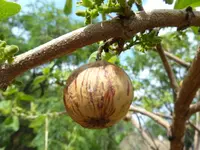
Fruit-thinning practice

When fruit set is heavy, remove roughly 20–30% of small, misshapen, or crowded fruits by hand so the remaining crop reaches better size and quality and branches are not overloaded and damaged.

Root-zone mulching

Maintain a 5–8 cm layer of coarse organic mulch in a wide ring around the dripline, keeping it 5–10 cm away from the trunk, to stabilize soil moisture and temperature and reduce competition from shallow-rooted weeds.

Targeted pest scouting

From spring to late summer, inspect new growth and undersides of leaves every 2–3 weeks for scale insects, aphids, and leaf-chewing caterpillars, and treat early with a directed spray of horticultural oil or manual removal before populations build up.

Structured formative pruning

During the dry or dormant season, select 3–5 well-spaced scaffold branches and remove low, crossing, or steeply upright shoots to create an open, bowl-shaped canopy that improves light penetration, air movement, and harvesting efficiency when growing wild-medlar.

Common Pests and Diseases

Fruit fly infestation

This pest attacks developing and ripe fruits, causing soft, brown, sunken spots that become watery and unmarketable. These insects lay eggs under the fruit skin, and the larvae feed inside the pulp.

Solution

Collect and destroy all infested and fallen fruits, and avoid leaving ripe fruit on the tree for long periods. Use fruit fly traps (such as protein bait or pheromone traps) placed around the canopy, and if needed, protect maturing fruit with fine mesh bags to reduce egg laying on wild medlar crops when growing wild-medlar at small scale.

Powdery mildew

This disease shows as white, powdery patches on young leaves, shoots, and sometimes fruits, often leading to leaf distortion and reduced vigor. Symptoms include slower growth and premature leaf drop in severe cases.

Solution

Prune to improve air movement through the canopy and avoid overhead watering, especially late in the day. Remove and discard heavily infected leaves and shoots, and where allowed, apply a sulfur- or potassium bicarbonate-based fungicide, making sure to cover both upper and lower leaf surfaces.

Leaf spot

This disease causes small, dark, circular or irregular spots on leaves that may enlarge and merge, sometimes leading to yellowing and premature leaf fall. Symptoms include a generally thin canopy and reduced plant vigor when infection is heavy.

Solution

Rake up and discard fallen leaves to reduce the source of infection, and prune out densely crowded interior branches to improve drying after rain. In areas with repeated problems, apply a copper-based fungicide at the start of the wet season, following label directions and avoiding excessive use.

Scale insects

This pest appears as small, immobile bumps on stems and leaves, often accompanied by sticky honeydew and sooty mold. These insects weaken the plant by sucking sap, which can cause leaf yellowing and twig dieback if populations are high.

Solution

Wipe or gently scrub infested stems and leaves with a soft cloth or brush dipped in mild soapy water, then rinse with clean water. For persistent infestations, apply horticultural oil thoroughly to all plant surfaces during cooler parts of the day, repeating as needed to target newly hatched crawlers.

Stem borers

These insects tunnel inside young branches and stems, causing wilting, dieback, and sometimes branch breakage; small entry holes and frass (sawdust-like material) may be visible. This pest reduces fruit yield and can deform the tree structure over time.

Solution

Inspect branches regularly and prune out and destroy affected stems well below visible damage to remove larvae. Keep the plant vigorous through proper watering and fertilization, and in high-risk areas consider using trunk or branch wraps and light traps to reduce adult borer activity around the trees.

Interesting Facts

Fermented fruit flavor

Ripe fruits are often allowed to wrinkle and partially ferment on the tree, which concentrates sugars and produces a sweet-sour flavor that many people compare to apple mixed with tamarind or dates.

Dry-season food source

The tree fruits at the end of the dry season in much of southern Africa, providing an important wild food for rural communities and wildlife when other resources are scarce.

Insect pollination strategy

Its small, greenish flowers are not showy to humans but produce nectar and scent that attract insects, especially bees, which are considered the main pollinators for reliable fruit set.

Botan icon

Did you know?

In several southern African countries, the species is so culturally and nutritionally valued that wild stands are informally managed and protected in communal lands, and there is active research into domestifying and selecting superior fruit types for small-scale cultivation and Vangueria infausta plant care studies.

FAQs about wild-medlar

The ripe fruits are edible and widely eaten in its native range, usually fresh or made into drinks and jams. Unripe fruits are very sour. As with any wild fruit, avoid parts treated with pesticides or contaminated by animals.

Grow Healthy Plants with Botan Care

Keep your plants happy and healthy with plant identification, disease detection, and easy care guidance.

Botan plant care app — identify plants on mobile

Explore More Plants