voa vanga Care (Vangueria madagascariensis)

Also known as: Bush Medlar, Smooth Wild-Medlar, Smooth-Leaved Wild-Medlar
voa vanga

About voa vanga

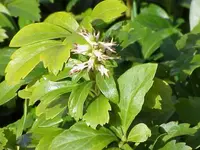
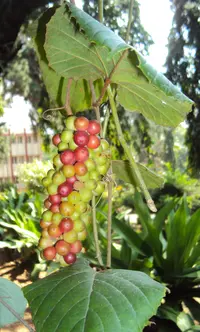
Vangueria madagascariensis, commonly called voa vanga, is a small deciduous tree or large shrub known for its rounded crown and edible brown-orange fruits. It belongs to the Rubiaceae family, the same family as coffee.

This species is native to Madagascar and parts of eastern Africa, where it grows in dry forests and savanna-type habitats. Its fruits are locally valued as wild food.

The plant is fairly resilient, tolerates seasonal drought once established, and prefers warm climates, making it more suitable for subtropical or tropical gardens. Understanding how to care for voa vanga is mainly about providing warmth, sun, and a well-draining soil that does not stay waterlogged.

Main Plant Requirements

Care Difficulty

Moderate Care

Light Preference

Full Sun

Water Requirements

Moderate Water

Temperature Preference

Tropical / Frost Sensitive

Hardiness Zone

10–12

Soil Texture

Sandy, Loamy, Organic-rich

Soil pH

Acidic (5.5–6.5), Slightly acidic (6.5–7.0)

Soil Drainage

Well-drained

Fertilization

Minimal (feed rarely)

Get Personalized Care Plan

Scan your plant to receive care tips personalized for your specific plant

Available on iOS and Android

How to Care for the voa vanga

This sun-loving fruit tree grows best in warm, open sites with plenty of direct light.

  • Provide 6–8 hours of direct sun daily; morning sun with light afternoon shade is ideal in hotter regions to reduce leaf scorch.
  • Young voa vanga trees tolerate light partial shade (3–4 hours direct sun) but may grow slower and fruit less in low light.
  • In summer, protect from intense, reflected afternoon sun where temperatures are extreme; in winter, avoid heavy shade from buildings or evergreen trees.

This drought-tolerant tree prefers deep but infrequent watering once established.

  • For in-ground Vangueria madagascariensis, water when the top 5–8 cm of soil feel dry, soaking the root zone thoroughly, then allow the soil to drain fully.
  • Reduce watering in cool seasons; in hot, dry periods, monitor leaves for slight limpness or dull color as a sign the plant needs a deep soak.
  • Ensure soil is well drained; persistent soggy soil, yellowing leaves, or dieback of young shoots indicate overwatering or poor drainage.

This tropical fruit tree prefers warm, frost-free conditions throughout the year.

  • Optimal growth occurs around 70–86°F (21–30°C), with steady warmth promoting stronger shoots and better flowering and fruiting.
  • The tree is very sensitive to frost; growth slows below 60°F (16°C) and damage can occur near 32°F (0°C), especially on young tips and new leaves.
  • Mature plants tolerate brief heat up to about 100°F (38°C) if soil moisture is adequate, but extended heat with dry winds can cause leaf scorch and fruit drop.

This species tolerates a fairly wide humidity range but grows best with moderately moist air.

  • Aim for 40–60% humidity, which is typical of many homes in warm regions.
  • Prolonged very dry air can cause leaf edge browning, crisping, and slowed growth on voa vanga.
  • Group plants, place trays with water and pebbles nearby, or use a small humidifier to raise humidity around the foliage.

This species prefers a well-aerated, sandy-loam substrate that drains rapidly but still holds some moisture.

  • Use a mix of roughly 40% coarse sand, 30% loam or garden soil, and 30% compost to support Vangueria madagascariensis root development.
  • Ensure fast drainage by avoiding heavy clay and by adding coarse sand or fine gravel if water lingers on the surface.
  • Maintain slightly acidic to neutral pH, around 6.0–7.0, to support nutrient availability and stable growth.
  • Do not allow the soil to become compacted; loosen the top layer occasionally to keep air spaces around the roots.

This species can be grown in containers for some years, especially in warm climates.

  • Choose a deep, broad pot that allows development of a substantial root system and helps prevent the plant from becoming top-heavy.
  • Select a sturdy, heavier container material such as thick plastic or clay to keep the plant stable in wind.
  • Use a fast-draining mix and elevate the pot slightly on feet so excess water clears the drainage holes quickly after watering.

This drought-tolerant fruit tree grows acceptably in poor soils, but moderate feeding improves growth and fruiting for voa vanga in cultivation.

  • Use a balanced granular or slow-release fertilizer (around 10-10-10 NPK) at the start of spring, worked lightly into the topsoil.
  • Supplement with well-rotted compost or manure once per year to build soil organic matter and support microbial life.
  • Feed container or intensively grown plants every 8–10 weeks during the warm growing season, at half the label rate.
  • Stop fertilizing in late fall and winter to avoid forcing soft, cold-sensitive growth.

Vangueria madagascariensis benefits from light, deliberate pruning to maintain structure and fruiting wood.

  • Plan main pruning for late winter or very early spring, before vigorous new growth begins.
  • Remove dead, diseased, crossing, or inward-growing branches first to improve airflow and light penetration.
  • Thin crowded interior shoots to encourage a strong, open canopy and better fruit quality.
  • Use clean, sharp bypass pruners or loppers, making smooth cuts just outside the branch collar.

This species is usually grown in the ground, so guidance focuses on transplanting young trees and managing temporary container culture.

  • Transplant in late spring or early summer once soil is warm and risk of frost has passed, choosing a sunny, well-drained site.
  • Look for signs such as roots circling the pot drainage holes or noticeably slowed growth as cues to up-pot seedlings or liners.
  • Move to a container 1–2 sizes larger or into the ground, keeping the root ball intact and planting at the same depth as before.
  • Water thoroughly after transplanting, then keep soil evenly moist for several weeks and shade lightly to limit transplant shock.

Gardeners most often propagate this tree from seed, though semi-hardwood cuttings are also possible with controlled conditions.

  • Collect fully ripe fruits, clean seeds, and sow in spring in a free-draining, sandy mix kept at 70–80°F.
  • Lightly cover seeds, maintain consistent moisture without waterlogging, and provide bright, indirect light for germination.
  • For cuttings, take semi-hardwood pieces in late spring to summer, use rooting hormone, and place in a warm, humid propagator.
  • Transplant seedlings or rooted cuttings carefully once roots fill the plug or small pot, avoiding root disturbance.

This tropical tree is frost sensitive and needs careful winter management in regions with cold temperatures.

  • In ground, provide a 5–10 cm layer of organic mulch over the root zone, keeping it slightly away from the trunk.
  • Wrap young trunks with breathable frost cloth during cold snaps to reduce bark damage.
  • Grow container plants in large pots and move indoors or into a heated greenhouse before temperatures drop below 40°F.

Care Tips

Early structural training

In the first 2–3 years, select 3–5 strong scaffold branches and remove competing leaders to form an open, well-spaced canopy that will support heavier fruit loads later without limb breakage.

Fruit load thinning

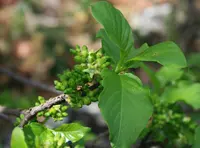
When branches set a heavy crop, remove a portion of young fruits so that remaining clusters are spaced 10–15 cm apart, which improves fruit size and reduces stress on branches and roots.

Mulch management ring

Maintain a 5–8 cm deep mulch ring that stops 5–8 cm short of the trunk to stabilize soil moisture, protect surface feeder roots, and reduce weed competition without encouraging trunk rot.

Wind and stake support

In exposed sites, use 1–2 sturdy stakes and loose, flexible ties for the first 1–2 years, checking each season to adjust or remove them once the trunk has thickened and can support the canopy in strong winds.

Seasonal root inspection

Once a year at the start of the growing season, gently scrape back the top 2–3 cm of soil around the root flare to confirm it is not buried, then correct any soil buildup to keep the base dry and reduce risk of rot when growing voa vanga.

Common Pests and Diseases

Fruit borers

This pest targets developing fruits, tunneling into the flesh and causing premature fruit drop, internal decay, and contamination with frass. Symptoms include small entry holes, deformed fruits, and larvae found inside when fruits are opened.

Solution

Collect and destroy infested fruits promptly to break the life cycle, and remove fallen fruits from the ground. Use fine mesh bags on developing fruits where practical, encourage natural predators by maintaining plant diversity nearby, and apply a targeted Bacillus thuringiensis (Bt) spray to young fruits if infestations are recurring and significant.

Fruit flies

These insects lay eggs in ripening voa vanga fruits, leading to soft, discolored patches, internal maggots, and rapid fruit spoilage. Symptoms include tiny puncture marks on the skin and fruits rotting quickly after apparent maturity.

Solution

Harvest fruits as they reach maturity rather than leaving them overripe on the tree, and regularly collect and destroy infested or fallen fruits. Use baited traps positioned around the canopy, combine with sanitation, and where pressure is high consider fruit bagging or using protein-based bait sprays specifically labeled for fruit fly management.

Scale insects

These insects attach to stems and leaf undersides, sucking sap and weakening the plant, which can lead to poor growth and sooty mold on honeydew deposits. Symptoms include small, dome-shaped or flat bumps that do not easily brush off and a sticky residue on leaves or nearby surfaces.

Solution

Prune out heavily infested twigs and dispose of them away from the planting area, then wipe accessible stems and leaves with a cloth soaked in dilute insecticidal soap. For larger trees, apply horticultural oil during mild weather to smother scales and repeat as needed while monitoring for natural enemies such as lady beetles and parasitic wasps.

Leaf spot

This disease causes circular to irregular brown or dark spots on leaves, sometimes with yellow halos, and can lead to premature leaf drop under humid conditions. Symptoms include scattered lesions that may coalesce into larger dead patches, especially on older foliage in dense canopies.

Solution

Remove and discard affected leaves from the plant and ground to reduce pathogen spread, and avoid overhead irrigation that keeps foliage wet for long periods. Improve airflow by selective thinning of dense branches, water at the base in the morning, and if the problem is persistent in humid climates consider applying a copper-based fungicide according to label directions.

Powdery mildew

This disease produces white to gray, powdery fungal growth on young leaves, shoots, and sometimes fruits, reducing photosynthesis and vigor. Symptoms include distorted new growth, dull or mottled leaves, and a superficial dusty coating that wipes off easily at first.

Solution

Increase light exposure and airflow around the canopy through careful pruning and by avoiding overcrowded plantings. Remove heavily infected shoots, irrigate at the soil level rather than on foliage, and in recurring cases apply a sulfur or potassium bicarbonate fungicide labeled for powdery mildew, starting at early symptom onset and repeating as directed.

Interesting Facts

Madagascar dry-forest fruit

This species is native to Madagascar’s seasonally dry forests and savannas, where it forms shrubs or small trees that withstand a pronounced dry season yet still produce fleshy, edible fruits.

Fermented desert-like flavor

The ripe fruit is widely eaten locally and described as having a sweet-tart flavor often compared to tamarind or fermented apple, and in some regions it is fermented to produce mildly alcoholic beverages.

Rubiaceae family relation

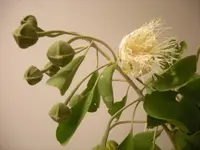
It belongs to the coffee family Rubiaceae, and like coffee, its flowers are small, white, and tubular, arranged in clusters that attract a range of insect pollinators.

Botan icon

Did you know?

Some botanists consider this species a potential semi-domesticated fruit tree, because rural communities in Madagascar frequently manage and protect wild individuals near villages for their reliable, drought-season fruit harvest.

FAQs about voa vanga

The ripe fruits are edible, commonly eaten fresh or processed into juices and jams. Unripe fruits are sour and astringent. As with any wild-type fruit, avoid moldy or damaged parts and introduce it in small amounts first.

Grow Healthy Plants with Botan Care

Keep your plants happy and healthy with plant identification, disease detection, and easy care guidance.

Botan plant care app — identify plants on mobile

Explore More Plants