Ampelocissus latifolia Care

Ampelocissus latifolia

About Ampelocissus latifolia

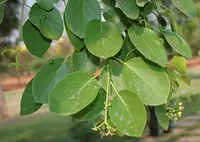
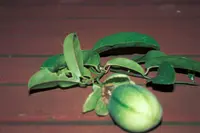
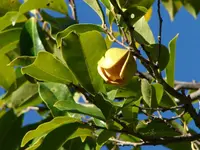
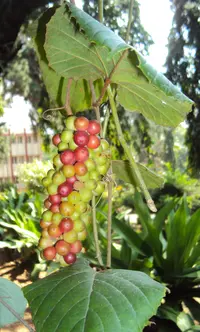
Ampelocissus latifolia is a vigorous deciduous climbing vine in the grape family. It produces long twining stems with large, broad leaves that create dense cover on supports. Small greenish flowers are followed by clusters of fleshy berries, giving it a distinctly wild-grape look. In its native range across tropical and subtropical parts of Asia, it grows in forests and thickets, often scrambling over trees. This species is generally robust and fast-growing, but it needs space, a sturdy support, and a warm, frost-free climate. Once established, it tolerates short dry spells but grows best in evenly moist, well-drained soil with good light. Basic knowledge of how to care for Ampelocissus latifolia helps keep its growth controlled and healthy.

Main Plant Requirements

Care Difficulty

Moderate Care

Light Preference

Partial Shade

Water Requirements

Moderate Water

Temperature Preference

Tropical / Frost Sensitive

Hardiness Zone

10–12

Soil Texture

Loamy, Sandy, Organic-rich

Soil pH

Acidic (5.5–6.5), Slightly acidic (6.5–7.0)

Soil Drainage

Moist but well-drained

Fertilization

Minimal (feed rarely)

Get Personalized Care Plan

Scan your plant to receive care tips personalized for your specific plant

Available on iOS and Android

How to Care for the Ampelocissus latifolia

This vigorous climber prefers bright outdoor conditions similar to its native woodland edges.

  • Provide 4–6 hours of gentle sun daily, ideally with morning sun and dappled or filtered light in the afternoon to prevent leaf scorch.
  • Plant where it receives partial shade, especially in hot summers, as intense midday sun can bleach or burn the foliage.
  • In cooler seasons, allow more direct sun by thinning overhead shade; in warm climates, use taller plants or structures to create light shade in summer.

This species prefers consistently moist but not waterlogged soil.

  • Water when the top 3–5 cm of soil feel dry, allowing deeper soil to stay slightly moist to support its vigorous root system.
  • Use well-drained soil; signs of overwatering include yellowing, soft leaves and a sour smell, while drooping, crisp leaves indicate underwatering.
  • In spring and summer, expect to water more often during active growth, then reduce frequency in cooler months as evaporation and growth slow.

This vine grows best in warm, frost-free outdoor conditions.

  • Aim for 70–86°F (21–30°C) during active growth, as warmer temperatures support rapid vine and leaf development.
  • Protect from cold below 50°F (10°C); foliage is damaged near 40°F (4°C), and frost can kill young shoots or entire plants.
  • In hot regions, it tolerates brief spikes to 95°F (35°C) if soil moisture is maintained and the root zone is mulched to limit heat stress.

This species benefits from moderate to slightly high humidity for steady growth.

  • Aim for 50–70% humidity, as very dry air slows leaf expansion and can reduce vigor.
  • Low humidity stress shows as crisping leaf edges and stalled new growth rather than soft, rotting tissue.
  • Increase humidity by grouping plants, using a nearby humidifier, or placing the pot on a pebble tray kept with water below the pot base.

Provide loose, fast-draining, organic-rich soil to support vigorous vine and root growth.

  • Use a mix of roughly 50% peat- or coir-based potting medium, 30% compost, and 20% perlite or coarse sand for structure and drainage.
  • A loamy texture with plenty of organic matter maintains moisture while preventing waterlogging that can trigger root rot.
  • Keep pH slightly acidic to neutral, around 6.0–7.0, which suits Ampelocissus latifolia nutrient uptake.
  • Avoid compacted, heavy clay or soils that stay saturated; add coarse bark or grit to improve aeration where drainage is marginal.

This vine is suitable for container growing when given adequate root space and stable support.

  • Choose a wide, heavy container to counterbalance the climbing mass and prevent tipping in wind or when the trellis is loaded with foliage.
  • Select a pot material with moderate moisture retention, such as thick plastic or glazed ceramic, to keep the root zone evenly moist between waterings.
  • Ensure several large drainage holes and keep the container slightly raised on pot feet so excess water exits quickly and does not pool under the base.

This vigorous climber benefits from light, targeted feeding rather than heavy fertilization.

  • Apply a balanced NPK fertilizer at 1/2 strength every 4–6 weeks during the warm growing season if soil is poor.
  • Use well-rotted compost or leaf mold as a thin top-dressing in spring to support steady growth.
  • In containers, consider a slow-release granular fertilizer mixed into the top 2–3 in of potting mix.
  • Stop feeding Ampelocissus latifolia in late fall and avoid fertilizing during cool, dormant periods.

Pruning helps control size and maintain a strong, tidy framework on this fast-growing vine.

  • Carry out main pruning in late winter or early spring before new growth starts.
  • Remove dead, damaged, or crossing stems first, then thin out very crowded shoots to improve light and airflow.
  • Shorten excessively long vines to the desired length to manage spread and support structure coverage.
  • Use sharp, clean hand pruners and make cuts just above a healthy bud or side shoot.

This species is more often transplanted outdoors than kept long term in containers.

  • Transplant in late winter or early spring when plants are still dormant and soil is workable.
  • Look for signs such as roots circling the pot, water running straight through, or noticeably slowed growth.
  • Move into a hole or container just 1–2 sizes larger, using well-drained, fertile soil or potting mix.
  • Water thoroughly after planting, shade lightly for a few days, and keep soil evenly moist to limit root stress.

Propagation of Ampelocissus latifolia is commonly done from cuttings and layering for reliable results.

  • Take semi-ripe stem cuttings in late spring or early summer with 2–3 nodes each.
  • Insert cuttings into a moist, free-draining medium and keep humidity high with bright, indirect light.
  • Use simple layering by pegging a flexible stem to the soil until roots form, then sever from the parent.
  • Sow fresh seed in warm conditions with 70–80°F soil, using a well-drained mix and steady moisture.

This vine is moderately frost sensitive and benefits from some winter protection in cooler regions.

  • Apply a 5–8 cm mulch layer over the root zone in late fall, keeping it slightly away from stems.
  • In areas with hard freezes, wrap lower stems with breathable horticultural fleece or burlap.
  • Move container-grown plants into a bright, frost-free space and water sparingly but do not let soil fully dry.

Care Tips

Use sturdy trellising

Install a strong, weather-resistant trellis or wire system before the vine becomes heavy, and gently tie new shoots with soft ties so the tendrils can attach and distribute weight evenly without stressing the stems.

Manage vine length

Pinch or cut back overly long, whip-like shoots during the growing season to encourage lateral branching, which creates a fuller canopy and makes harvesting and inspection easier.

Mulch the root zone

Apply a 5–8 cm layer of coarse organic mulch around the base, keeping it a few cm away from the stems, to stabilize soil moisture and temperature and reduce weed competition.

Monitor and guide tendrils

Check the vine every 1–2 weeks and redirect tendrils that are wrapping around weak supports, nearby plants, or themselves, preventing stem girdling and tangling as the plant matures.

Seasonal sanitation pruning

Remove dead, crossing, or pest-damaged stems at the end of the growing season and dispose of them away from the planting area to lower disease pressure and support healthier growth when caring for Ampelocissus latifolia.

Common Pests and Diseases

Grape mealybugs

This pest feeds on sap along young shoots, leaf undersides, and fruiting clusters, leaving white cottony masses and sticky honeydew. Symptoms include sooty mold growth on the honeydew and gradual yellowing or weakening of vines.

Solution

Prune and discard heavily infested shoots, then wash remaining stems and leaves with a strong stream of water and a mild insecticidal soap, ensuring good coverage of leaf undersides. Improve airflow and light, avoid excess nitrogen fertilizer, and repeat treatments weekly until new growth is clean; horticultural oil can be used during cooler periods to smother remaining insects.

Grape leafhoppers

These insects suck sap from the underside of leaves, causing pale stippling that can merge into bronzed or scorched-looking foliage in sunny conditions. This reduces photosynthesis and can weaken vines over time.

Solution

Regularly inspect leaf undersides and, at early signs, use a firm water spray to dislodge nymphs, followed by insecticidal soap on both leaf surfaces. Encourage natural predators by avoiding broad-spectrum chemicals, remove nearby weedy hosts, and maintain good irrigation so vines tolerate minor feeding without stress.

Grape downy mildew

This disease causes yellow, oil-like spots on upper leaf surfaces and a white-gray downy growth on the undersides, especially in warm, humid, or rainy weather. Severe infections can lead to leaf drop and weakened vines.

Solution

Remove and discard infected leaves, improve spacing and pruning to increase airflow, and avoid overhead watering, especially in the evening. In wet seasons, protect new growth with a copper-based fungicide labeled for grapes, applied preventively and reapplied as directed after heavy rain as part of overall Ampelocissus latifolia care instructions.

Anthracnose

This disease produces sunken, dark lesions with gray or light centers on young shoots, petioles, and sometimes leaves. Symptoms include cracking or girdling of tender stems, which can cause dieback of affected shoots.

Solution

Cut out and dispose of infected shoots during dry weather, disinfecting tools between cuts to limit spread. Improve canopy ventilation through careful pruning, avoid overhead irrigation, and apply a suitable fungicide for grapes at bud break and early shoot growth if the plant has a history of repeated outbreaks.

Interesting Facts

Edible woodland vine

This species is a large, woody grape relative native to South and Southeast Asian forests, where its young shoots and sour, grape-like fruits are traditionally eaten in some rural communities.

Tendrils and leaf size

The plant climbs by branched tendrils arising opposite its large, broadly ovate leaves, which can reach more than 15–20 cm across in mature vines growing in favorable forest conditions.

Monsoon-season flowering

In much of its native range, flowering is closely linked to the monsoon season, with small, greenish flowers borne in branched clusters that later develop into tight bunches of dark, berry-like fruits.

Botan icon

Did you know?

Ampelocissus latifolia is often used as a rootstock in some parts of Asia for grafting other wild or cultivated Vitis and Ampelocissus relatives, because its own root system is notably tolerant of varied, seasonally dry forest soils.

FAQs about Ampelocissus latifolia

This species is a vigorous woody vine that climbs using tendrils, which are modified stems that hook onto supports. Without vertical structures it will scramble over nearby shrubs or the ground, forming a spreading, tangled mass.

Grow Healthy Plants with Botan Care

Keep your plants happy and healthy with plant identification, disease detection, and easy care guidance.

Botan plant care app — identify plants on mobile

Explore More Plants