


Timed Succession Sowing
Sow small patches every 2–3 weeks over a 6–8 week window so flowering is staggered, which reduces the impact of a single heatwave or storm on the whole display.

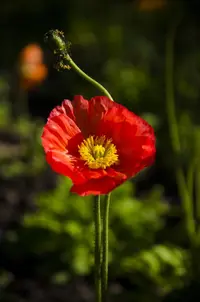
Corn poppy (Papaver rhoeas) is an annual flowering plant known for its delicate, papery petals and vibrant red blooms, often with a dark center. It typically grows in loose clumps with slender, hairy stems and finely divided, slightly rough foliage.
In the wild, it is common in agricultural fields, roadsides, and disturbed soils across Europe and parts of Asia, and has naturalized in many temperate regions. It is generally easy to grow from seed but does not transplant well, which is important when learning how to care for corn poppy.
This species prefers full sun, relatively dry to moderately moist conditions, and well-drained, low-fertility soil, which helps keep plants compact and floriferous.

Care Difficulty
Easy Care

Light Preference
Full Sun

Water Requirements
Moderate Water

Temperature Preference
Cool Climate

Hardiness Zone
2–9

Soil Texture
Sandy, Loamy, Silty

Soil pH
Acidic (5.5–6.5), Slightly acidic (6.5–7.0)

Soil Drainage
Well-drained

Fertilization
Minimal (feed rarely)
Scan your plant to receive care tips personalized for your specific plant
Available on iOS and Android
Papaver rhoeas thrives in open, bright positions with strong direct light.
Papaver rhoeas prefers evenly moist but not saturated soil, especially during early growth.
This species grows best in cool to mild conditions and struggles in extreme heat or severe cold.
Humidity is not a significant factor for Papaver rhoeas, which adapts well to typical outdoor conditions in most climates.
Papaver rhoeas prefers lean, well-drained mineral soils that never stay waterlogged.
This species can be grown in containers, but success depends on careful attention to root space and water movement.
Papaver rhoeas is adapted to poor soils and usually needs little or no fertilizer for good flowering.
Pruning needs for Papaver rhoeas are minimal and mainly focus on tidiness and seed control.
Corn poppy is best grown where it will flower, as the taproot dislikes disturbance once established.
Propagation of Papaver rhoeas is most reliable from seed rather than vegetative methods.
Papaver rhoeas is generally cold hardy in temperate climates and needs little special winter care.

Plant Health Check
Not sure what's wrong with your plant? Check your plant's health inside the app.
This species became a symbol of wartime remembrance after World War I because its seeds germinated in huge numbers on disturbed battlefields in northern France and Belgium.
Seeds of this plant can remain viable in the soil seed bank for many years and germinate rapidly when agricultural soil is plowed or disturbed, which is why it often appears in cereal fields and recently turned ground.
The flowers show self-incompatibility, a genetic mechanism that reduces self-pollination and promotes cross-pollination, which helps maintain genetic diversity in wild populations.

The intense red petal color of this species is largely due to specific betalain-like alkaloid pigments and anthocyanins that strongly absorb light, which makes the flowers highly visible to pollinating insects against background vegetation.
Lack of flowering often comes from too much shade, excess nitrogen fertilizer, or heat stress. Ensure full sun, avoid rich high-nitrogen feeds, and do not overwater. Crowding can also reduce blooms, so thin densely packed plants.
Keep your plants happy and healthy with plant identification, disease detection, and easy care guidance.


Lily-of-the-valley
Convallaria majalis
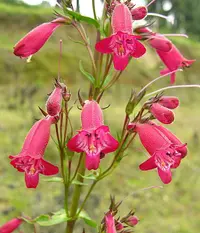
Pinto Beardtongue
Penstemon roseus
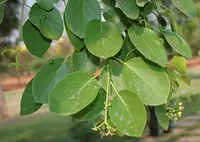
fragrant manjack
Cordia dichotoma
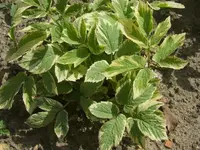
Bishop's Weed
Aegopodium podagraria 'Variegatum'
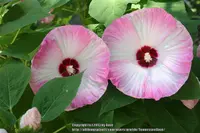
Hibiscus Luna Pink Swirl
Hibiscus Luna Pink Swirl
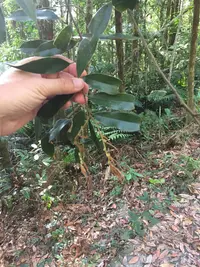
Castanopsis fargesii
Castanopsis fargesii

gooseberry gourd
Cucumis myriocarpus

alligatorweed
Alternanthera philoxeroides