Timed rosette harvest
For the most tender leaves, cut outer rosette leaves at 5–10 cm length in the cool morning before flowering stems elongate, which also delays bolting and keeps plants vegetative longer.

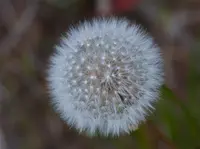
Taraxacum erythrospermum, commonly called red-seeded dandelion, is a small herbaceous perennial in the daisy family. It forms low rosettes with deeply lobed leaves and bright yellow flower heads. After flowering, it produces fluffy seed heads with characteristic reddish-brown seeds.
This species is native to Europe but is now widespread in lawns, roadsides, and disturbed ground across North America. It is resilient, tolerates poor soils, and competes well with turf, which makes it easy to establish but hard to remove.
In general, it prefers full sun, moderately moist, well-drained soil, and will readily self-seed. Anyone wanting to learn how to care for red-seeded dandelion should also plan for its vigorous spread and potential weediness.

Care Difficulty
Easy Care

Light Preference
Full Sun

Water Requirements
Low Water

Temperature Preference
Cold Hardy

Hardiness Zone
3–8

Soil Texture
Sandy, Loamy, Rocky

Soil pH
Slightly acidic (6.5–7.0), Neutral (7.0)

Soil Drainage
Well-drained

Fertilization
Minimal (feed rarely)
Scan your plant to receive care tips personalized for your specific plant
Available on iOS and Android
This species prefers open, bright sites with direct sun for strong, compact growth.
This plant is naturally drought-tolerant and prefers soil that dries slightly between waterings.
This hardy species tolerates a wide temperature range typical of temperate climates.
Humidity is not a meaningful factor for Taraxacum erythrospermum in typical outdoor or indoor conditions.
Taraxacum erythrospermum grows best in loose, well-drained mineral soils that resist waterlogging.
This species is suitable for container growing, especially for controlled observation or limited-space gardens.
Taraxacum erythrospermum usually grows well in average soil and needs only light feeding in poor conditions.
Taraxacum erythrospermum needs only simple, light pruning to manage appearance and flowering.
This species is more often transplanted in the ground than repotted, due to its deep taproot and self-seeding habit.
Red-seeded dandelion is most often propagated by seed, which forms abundantly under normal garden conditions.
This hardy perennial needs almost no special winter care in most temperate climates.

Plant Health Check
Not sure what's wrong with your plant? Check your plant's health inside the app.
This species produces achenes (dry fruits) with clearly reddish to brick-red coloring, which is a key trait used by botanists to distinguish it from the common dandelion with olive or brown achenes.
It tends to flower earlier in spring than many related dandelion species, often taking advantage of cooler temperatures and reduced competition for pollinators on open, disturbed ground.
Red-seeded dandelion is especially successful on dry, sandy, or gravelly substrates and compact urban soils, where its deep taproot allows it to persist in places where other lawn and roadside plants struggle.

This species is considered native to parts of Europe and western Asia but is now widely naturalized across temperate North America, where it has become a characteristic component of urban lawns, roadsides, and disturbed sites, illustrating how easily some Eurasian weeds adapt to new continents.
All above-ground parts are generally considered edible when harvested from clean, untreated areas. Young leaves suit salads, older leaves can be cooked, and roots are often roasted. Always avoid plants exposed to pesticides, roadside pollution, or pet waste.
Keep your plants happy and healthy with plant identification, disease detection, and easy care guidance.