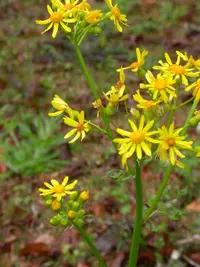
yellow joyweed Care (Alternanthera flavescens)

yellow joyweed

About yellow joyweed

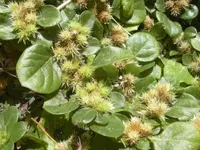
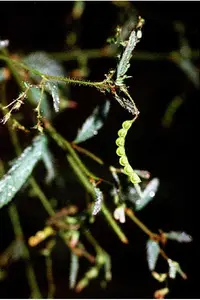
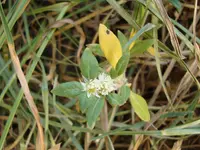
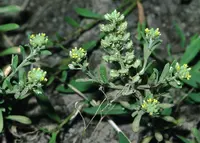
Yellow joyweed (Alternanthera flavescens) is a low, spreading ornamental often grown as a groundcover or edging plant in warm and tropical climates. It forms dense mats of small, bright yellow to yellow-green leaves that create strong color contrast in beds and containers.

In the wild, related Alternanthera species occur in moist, open sites such as stream edges and disturbed ground, and this plant shows a similar preference for warmth and consistent moisture. It responds well to regular trimming, which keeps it compact and encourages fresh foliage.

Gardeners who want to learn how to care for yellow joyweed should note its need for bright light, well-drained but evenly moist soil, and protection from frost, which largely determine how easy it is to maintain.

Main Plant Requirements

Care Difficulty

Moderate Care

Light Preference

Full Sun

Water Requirements

Regular Water

Temperature Preference

Tropical / Frost Sensitive

Hardiness Zone

10–11

Soil Texture

Loamy, Silty, Organic-rich

Soil pH

Acidic (5.5–6.5), Slightly acidic (6.5–7.0)

Soil Drainage

Moist but well-drained

Fertilization

Moderate (every 2–4 weeks)

Get Personalized Care Plan

Scan your plant to receive care tips personalized for your specific plant

Available on iOS and Android

How to Care for the yellow joyweed

Alternanthera flavescens colors best with strong light but needs some protection from harsh extremes.

  • Provide 4–6 hours of direct morning sun plus bright shade or filtered light in the afternoon to avoid leaf scorch.
  • Tolerates light or open shade for part of the day, but prolonged shade causes weak, leggy growth and dull foliage on yellow joyweed.
  • In hot summers, use dappled shade during 12–4 p.m.; in cooler seasons, allow more direct sun to maintain compact growth and vivid color.

Alternanthera flavescens prefers evenly moist, well-drained soil without long dry spells or standing water.

  • Water when the top 2–3 cm of soil feels dry, soaking the root zone, then let excess drain completely to prevent root rot.
  • In hot, windy periods, expect faster drying and more frequent watering; in cool or rainy seasons, extend intervals and rely more on natural rainfall.
  • Underwatering shows as limp, dull, or crisping leaves; overwatering causes yellowing, soft stems, and a sour smell in poorly drained soil.

This species grows best in warm, frost-free conditions with only moderate tolerance of heat extremes.

  • Aim for 70–85°F (21–29°C) for strongest growth; below 65°F (18°C) growth slows and foliage color may fade.
  • Treat it as frost-tender; brief drops near 40°F (4°C) can damage foliage, and freezing temperatures kill top growth or the entire plant.
  • In very hot spells above 95°F (35°C), combine light afternoon shade and consistent soil moisture to limit heat stress and leaf scorch.

This species prefers moderately humid air but adapts to many home environments.

  • Aim for 40–60% humidity to keep foliage dense and leaf edges from browning.
  • It tolerates short dry spells, but prolonged air below 35% can cause leaf curl and crispy tips.
  • Increase humidity with a nearby pebble tray, grouping plants together, or placing it away from heating or AC drafts when caring for yellow joyweed.

Soil for Alternanthera flavescens must stay evenly moist yet freely draining to prevent root problems.

  • Use a loose, loamy mix with 40–60% organic matter such as compost or leaf mold blended with perlite or coarse sand.
  • Aim for slightly acidic to neutral pH around 6.0–7.0 for stable nutrient availability and steady growth.
  • Improve aeration by avoiding fine, compacted peat-only mixes and adding chunky materials like pine bark fines or coarse perlite.
  • Avoid heavy clay, waterlogged spots, or saucers left full of water, which quickly lead to root rot and weak stems.

This species is well suited to container growing outdoors or on patios.

  • Choose a wide, low pot to accommodate its spreading habit and reduce the risk of the plant spilling and snapping over the rim.
  • Opt for a slightly heavier material such as ceramic or clay if the site is windy, as this anchors the shallow root system better than plastic.
  • Ensure drainage holes stay clear and raise the pot on feet or bricks so excess water escapes quickly after rain or irrigation.

Alternanthera flavescens responds well to modest, consistent feeding during warm active growth.

  • Use a balanced liquid fertilizer around 10-10-10 or 20-20-20 at 1/4–1/2 strength every 2–4 weeks in spring and summer.
  • Alternatively, apply a thin layer of fine compost or a low-dose slow-release fertilizer at the start of the growing season.
  • Pause or reduce feeding to once every 6–8 weeks in fall and winter, especially for yellow joyweed grown indoors.
  • Always water before applying fertilizer to reduce root burn and avoid fertilizing drought-stressed plants.

Alternanthera flavescens benefits from light, frequent shaping to stay compact and dense.

  • Carry out main trimming in late spring to midsummer when growth is strongest.
  • Pinch or cut back soft stem tips to encourage branching and a fuller, lower habit.
  • Remove dead, damaged, or crossing stems with clean, sharp scissors or small pruning shears.
  • Shorten leggy shoots by 1/3 to maintain form and prevent the plant from becoming sparse at the base.

This plant tolerates transplanting well when moved during warm, stable weather.

  • Check for roots circling the pot, growing through drainage holes, or noticeably slowed growth as signs it needs more space.
  • Plan to repot or transplant every 1–2 years in late spring, using a loose, well-drained, organic-rich mix or bed.
  • Hydrate the plant well the day before moving and gently tease apart circling roots to encourage new outward growth.
  • Set the root ball at the same soil level, firm gently, water thoroughly, then shade and keep evenly moist for 5–7 days to reduce stress.

This species is commonly multiplied from soft stem cuttings for uniform plants.

  • Take 7–10 cm non-flowering tip cuttings in late spring or summer from healthy, vigorous shoots.
  • Remove lower leaves and place cuttings in moist, sterile potting mix or perlite, keeping nodes just below the surface.
  • Maintain bright, indirect light, high humidity, and temperatures around 70–80°F for reliable rooting.
  • For division, separate dense clumps in warm spring, replant sections promptly, and keep soil consistently moist until established.

Alternanthera flavescens is frost-sensitive and needs protection in regions with freezing winters.

  • In mild climates, apply a 5–7 cm mulch layer around the root zone in late fall, keeping mulch off stems.
  • In colder areas, grow in containers and move plants indoors before temperatures drop below 40°F.
  • Indoors, provide bright light, reduced watering, and avoid cold drafts to prevent stress and dieback.

Care Tips

Frequent Pinch-Backs

Pinch off 1–2 cm of soft shoot tips every 1–2 weeks during active growth to keep plants compact, dense, and brightly colored rather than tall and leggy.

Color-Boosting Placement

Rotate pots every 1–2 weeks so all sides receive similar light, which helps maintain even foliage color and prevents one-sided, pale growth when growing yellow joyweed.

Low-Hedge Shearing

For edging or bedding use, lightly shear the plant with clean scissors or hedge shears 2–3 times per season instead of heavy, infrequent cuts to create a uniform, low border without shocking the plants.

Cutting Renewal Cycle

Take 5–8 cm tip cuttings from the healthiest, most colorful stems each month and replant them, discarding older, woody sections so the planting is continually renewed with young, vigorous growth.

Moisture Buffer Mulch

Apply a thin 1–2 cm layer of fine bark or compost as mulch around outdoor plants to reduce surface drying, limit weed competition, and keep the shallow root zone more stable between waterings.

Common Pests and Diseases

Spider mites

This pest thrives on Alternanthera foliage in warm, dry conditions and causes fine stippling, dulling of leaf color, and webbing on shoot tips. Symptoms include yellowing patches that make the normally bright leaves appear faded or bronzed.

Solution

Rinse stems and leaf undersides thoroughly with a strong but gentle stream of water every few days, then increase humidity and reduce heat stress. If infestation persists, apply insecticidal soap or a neem-oil spray to all leaf surfaces weekly for 2–3 weeks, keeping the plant out of direct sun until foliage is dry.

Aphids

These insects cluster on soft stems and new growth, sucking sap and causing curling, distortion, and sticky honeydew on yellow joyweed. Sooty mold can grow on the honeydew, further dulling the foliage color.

Solution

Pinch or hose off infested shoot tips, then wash the plant with lukewarm water and mild insecticidal soap, paying attention to undersides of leaves. Repeat treatments at 5–7 day intervals until no new aphids appear and avoid high-nitrogen overfertilization, which encourages soft, aphid-prone growth.

Leaf spot

This disease produces small brown, tan, or black spots with possible yellow halos on the thin leaves, which can coalesce and lead to premature leaf drop. Symptoms include patchy loss of ornamental color and a generally tattered canopy in humid, crowded plantings.

Solution

Remove and discard affected leaves and any fallen debris, then improve air circulation by thinning dense stems and avoiding overhead watering late in the day. In persistent cases, use a copper-based or chlorothalonil fungicide labeled for ornamental bedding plants, applying according to label intervals during humid weather.

Southern blight

This disease, caused by soil-borne Sclerotium rolfsii, leads to sudden wilting, stem collapse at the soil line, and rapid death of sections of the mat-forming plant. Symptoms include tan to brown stem lesions near the soil, with white fungal strands and small mustard-colored sclerotia at the base.

Solution

Promptly remove and discard affected plants and surrounding soil to reduce inoculum, and avoid replanting susceptible species in the same spot for several seasons. Improve drainage, avoid overwatering and heavy mulch against stems, and consider using a fungicide drench labeled for southern blight when growing yellow joyweed in known infested beds.

Mealybugs

These insects appear as cottony white clusters in stem joints and along leaf midribs, feeding on sap and causing stunted growth and distorted new leaves. Honeydew and associated sooty mold may develop on dense groundcover plantings or container specimens kept indoors or in sheltered spots.

Solution

Dab visible clusters with cotton swabs dipped in isopropyl alcohol, then wash the plant to remove residues and honeydew. For larger infestations, treat with insecticidal soap or a systemic insecticide labeled for ornamental foliage plants, and isolate container plants until no new mealybugs are seen.

Interesting Facts

Leaf color plasticity

This species shows strong color plasticity, with foliage ranging from yellow-green to golden tones depending on light intensity and nutrient availability, which makes it a useful model for studying pigment responses in ornamental plants.

Warm-temperate native range

Alternanthera flavescens occurs naturally in warm-temperate to subtropical parts of South America and has become naturalized in similar climates elsewhere, especially in moist, disturbed sites such as roadsides and field margins.

Low-growing border habit

The plant forms a low, mat-like habit with small opposite leaves, which is why it is commonly used as an edging or groundcover species in ornamental bedding schemes and trial gardens that focus on Alternanthera flavescens plant care.

FAQs about yellow joyweed

This species forms low, spreading mats but is usually easy to contain with edging and routine trimming. In warm, frost‑free climates it can spread quickly, so monitor runners and remove unwanted stems before they root.

Grow Healthy Plants with Botan Care

Keep your plants happy and healthy with plant identification, disease detection, and easy care guidance.

Botan plant care app — identify plants on mobile

Explore More Plants