khakiweed Care (Alternanthera pungens)

Also known as: Khaki Burrweed, creeping chaffweed, Paperthorn
khakiweed

About khakiweed

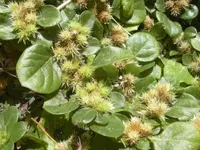
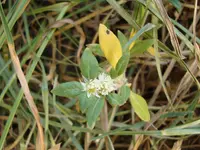
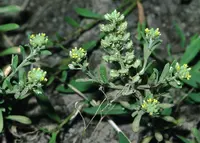
Khakiweed, Alternanthera pungens, is a low, mat-forming perennial herb often found in warm, disturbed sites such as lawns, roadsides, and pastures. It spreads by creeping stems that root at the nodes, creating dense patches close to the ground.

The small, tough leaves and spiny flower heads help it tolerate foot traffic and dry conditions, which is why it often behaves like a persistent weed. Its strong adaptability and seed production make control difficult and influence how to care for khakiweed in managed landscapes.

This species prefers full sun, well-drained soil, and can handle periods of drought once established, which contributes to its success in hot, open sites.


Main Plant Requirements

Care Difficulty

Easy Care

Light Preference

Full Sun

Water Requirements

Moderate Water

Temperature Preference

Tropical / Frost Sensitive

Hardiness Zone

9–11

Soil Texture

Sandy, Loamy, Organic-rich

Soil pH

Acidic (5.5–6.5), Slightly acidic (6.5–7.0)

Soil Drainage

Well-drained

Fertilization

Minimal (feed rarely)

Get Personalized Care Plan

Scan your plant to receive care tips personalized for your specific plant

Available on iOS and Android

How to Care for the khakiweed

Alternanthera pungens thrives in strong light and handles heat very well in open, exposed sites.

  • Provide 6–10 hours of direct sun daily; full sun encourages dense, low growth typical of khakiweed in lawns and disturbed ground.
  • Plant where it receives morning to mid-afternoon sun; light afternoon shade in very hot regions reduces leaf scorch on shallow, compacted soils.
  • In prolonged shade (under 3–4 hours sun), stems elongate and mats thin; increase sun exposure gradually to avoid sudden scorch during summer.

This species is drought-tolerant once established and prefers infrequent but thorough watering.

  • In the ground, allow the top 4–6 cm of soil to dry before watering again; established Alternanthera pungens in heavy soils may only need water after extended dry spells.
  • Choose free-draining soil or sites that do not stay puddled for more than a few hours to reduce root rot risk.
  • Wilting and crisp, brown leaf edges indicate underwatering, while yellowing leaves, soft stems, and a sour soil smell suggest overwatering.

This warm-climate species grows best in consistently hot conditions and is poorly adapted to frost.

  • Optimal growth occurs around 75–95°F (24–35°C), typical of summer in many warm regions where the plant spreads aggressively.
  • Plants tolerate brief drops to about 32°F (0°C) but foliage is usually damaged; hard freezes below 28°F (-2°C) can kill or severely set back top growth.
  • Heat tolerance is high; growth continues in 95–105°F (35–40°C) if soil moisture is adequate, but combine strong sun with gradual hardening to prevent sudden stress.

This species tolerates a wide humidity range and usually does not need special humidity management.

Alternanthera pungens handles poor soils but grows best when the root zone is aerated and drains rapidly.

  • Use a sandy or sandy-loam mix with coarse texture so water moves through quickly while roots still anchor well.
  • Combine roughly 60% standard potting mix with 40% sharp sand or fine grit to increase drainage and reduce compaction.
  • Maintain slightly acidic to neutral pH around 6.0–7.2, avoiding very alkaline, heavily limed sites that can restrict nutrient uptake.
  • Avoid waterlogged, clay-heavy, or crusted surfaces; loosen compacted top layers regularly so air and water can reach deeper roots.

This low, mat-forming species is suitable for containers where its spread can be confined.

  • Choose a wide, shallow pot so the lateral roots and creeping stems can spread without crowding the center.
  • Select a heavier container material or weight the base to prevent tipping as the plant sprawls over the rim.
  • Use a fast-draining mix and elevate the pot slightly so drainage holes stay clear and runoff leaves the container quickly.

Alternanthera pungens grows in poor soils but responds to light feeding in managed landscapes.

  • Apply a balanced liquid fertilizer (such as 10-10-10) at 1/2 strength every 4–6 weeks during the warm growing season.
  • Alternatively, top-dress with a thin layer of compost to support steady growth of khakiweed.
  • Use a slow-release granular fertilizer sparingly in spring if soil is very low in nutrients.
  • Stop or greatly reduce feeding in fall and winter when growth slows.

Pruning Alternanthera pungens helps manage its spreading habit and maintain dense, healthy mats.

  • Carry out main pruning in late spring or early summer when growth is active.
  • Clip back leggy or overgrown runners to shape the patch and limit spread into unwanted areas.
  • Remove dead, damaged, or crowded stems with clean hand pruners or sharp scissors.
  • Light, frequent tip pinching encourages tighter, more compact growth and better ground cover.

This species is usually grown in the ground, so care focuses on transplanting rather than routine repotting.

  • Transplant in spring or early summer when soil is warm and plants are actively growing.
  • Move plants when clumps become too dense, growth slows, or patches need relocating.
  • Lift sections with a trowel, keeping a solid root ball to limit root stress and wilting.
  • Replant at the same depth in well-drained soil, water thoroughly, then keep evenly moist for 1–2 weeks.

Alternanthera pungens is commonly propagated to extend ground cover or establish new patches.

  • Use stem cuttings in late spring or summer, taking 5–8 cm non-woody tips with several nodes.
  • Insert cuttings into moist, well-drained sand or potting mix and keep warm (70–80°F) with bright shade.
  • Maintain high humidity by covering with a vented dome or plastic, and avoid waterlogging the medium.
  • Division or rooted runners can also be lifted and replanted during warm weather for quick establishment.

In mild climates this plant needs minimal winter attention but can suffer damage in hard freezes.

  • Alternanthera pungens is frost sensitive and may die back to the roots in temperatures near or below freezing.
  • Apply a 3–5 cm mulch layer over the root zone in late fall to moderate soil temperature.
  • Move container-grown plants indoors or into a frost-free, bright area before the first hard frost.
  • Reduce watering in winter, keeping soil just lightly moist to prevent root rot in cool conditions.

Care Tips

Edge Containment

Install a shallow physical barrier 5–8 cm deep around beds or paths to keep this mat-forming plant from spreading into turf or other plantings, checking and cutting back any stems that creep over the edge every few weeks in warm seasons.

Low-Traffic Groundcover

Use the plant in low-traffic areas such as the edges of pathways or between stepping stones, and redirect regular foot traffic so stems can root and knit together into a dense, erosion-controlling mat without constant damage.

Rooted Division Renewal

Every 2–3 years, lift and thin congested patches, keeping the youngest, healthiest, well-rooted sections and replanting them at the same depth to maintain vigor and reduce disease buildup in older, woody crowns.

Targeted Weed Suppression

Place new plants 15–25 cm apart in problem spots where other low growers fail, allowing their dense prostrate habit to shade out many small weed seedlings while still hand-pulling any robust invaders that appear between mats.

Dry-Site Stabilization

On sloped or compacted dry sites, pin down long, flexible stems with biodegradable pegs or small stones so they root at the nodes and create a more stable living net that helps hold soil in place when growing khakiweed.

Common Pests and Diseases

Spider mites

This pest often colonizes the undersides of leaves on Alternanthera pungens, especially in hot, dry conditions. Symptoms include fine webbing, tiny yellow speckling, and gradual leaf bronzing or drop.

Solution

Rinse foliage thoroughly with a strong but controlled stream of water, targeting the undersides of leaves, and repeat every few days to break the life cycle. In persistent cases, apply insecticidal soap or a neem oil spray, ensuring full coverage and avoiding use during high heat or direct midday sun.

Leaf spot

This disease appears as small, water-soaked or brown spots on leaves that may enlarge, merge, and cause premature leaf drop, especially in dense groundcovers of khakiweed. Symptoms include a generally thinned, patchy canopy where affected leaves yellow and fall early.

Solution

Remove and dispose of heavily spotted leaves and any dense, matted plant material to reduce moisture retention. Improve air movement and avoid prolonged overhead watering; in severe or recurring cases, a labeled copper or chlorothalonil fungicide can be used according to local guidelines.

Nematode damage

This problem is caused by microscopic soil roundworms that feed on roots, which can be an issue in sandy or repeatedly cultivated sites where Alternanthera pungens grows. Symptoms include general stunting, poor groundcover density, and uneven yellowing despite adequate water and nutrients.

Solution

Rotate planting areas where feasible and improve soil organic matter with compost to support beneficial organisms that suppress nematodes. In established patches, maintain even soil moisture and overall plant vigor, and in severe cases consider solarizing the soil during the hottest part of the year before replanting.

Aphids

These insects cluster on tender stems and new shoots, sucking sap and causing curling or distortion of khakiweed foliage. Symptoms include sticky honeydew and sometimes sooty mold growth on affected areas.

Solution

Dislodge colonies by spraying plants with a firm stream of water, repeating every few days as needed. If populations remain high, treat with insecticidal soap or horticultural oil, making sure to cover all infested surfaces while avoiding treatments during very high temperatures.

Interesting Facts

Spine-tipped leaf bases

At each node the leaf bases harden into short, sharp spines, allowing this low herb to form a prickly mat that deters trampling and grazing animals on compacted ground.

Extreme traffic tolerance

This species thrives in heavily disturbed sites such as footpaths, animal tracks, stockyards, and compacted sports grounds, showing unusual tolerance to soil compaction and mechanical damage compared with many other groundcovers.

Efficient seed dispersal

The small, spiny burr-like fruits catch easily in fur, clothing, and vehicle tires, which helps the species spread along roadsides, into pastures, and across urban landscapes.

Botan icon

Did you know?

In parts of Australia and the southwestern United States, this species has become a declared or listed weed because its dense, spiny mats can outcompete low-growing native plants and create painful ground cover for people and animals using lawns, paths, and recreational areas.

FAQs about khakiweed

This species spreads very aggressively through prostrate stems that root at the nodes and by seed. In lawns, paths, and compacted soils it can quickly form dense mats, outcompeting turf and low groundcovers if not controlled.

Grow Healthy Plants with Botan Care

Keep your plants happy and healthy with plant identification, disease detection, and easy care guidance.

Botan plant care app — identify plants on mobile

Explore More Plants