Early density control
Thin or lightly harrow young stands at the 1–2 leaf stage to prevent dense mats that lodge easily and to reduce seed set before the plants tiller heavily.

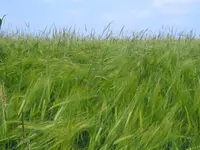
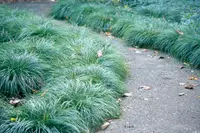
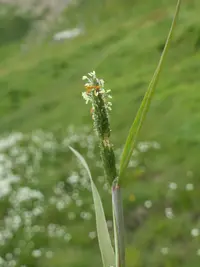
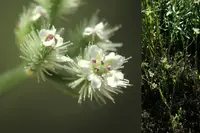
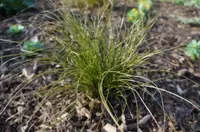
Black-grass, Alopecurus myosuroides, is an annual grass species often found in grain fields, roadsides, and disturbed soils across Europe and parts of temperate regions. It forms upright, slender clumps with narrow leaves and characteristic cylindrical flower spikes that turn from green to brown as seeds mature.
This grass germinates and grows quickly, competing strongly with nearby plants and thriving in cool, moist conditions. It prefers full sun and fertile, well-drained soil, and self-seeds readily, which can make control challenging. Gardeners who want to care for black-grass as a specimen should monitor its spread and remove unwanted seedlings before they set seed.

Care Difficulty
Easy Care

Light Preference
Full Sun

Water Requirements
Moderate Water

Temperature Preference
Cold Hardy

Hardiness Zone
5–9

Soil Texture
Sandy, Loamy, Clay

Soil pH
Acidic (5.5–6.5), Slightly acidic (6.5–7.0)

Soil Drainage
Well-drained

Fertilization
Minimal (feed rarely)
Scan your plant to receive care tips personalized for your specific plant
Available on iOS and Android
Alopecurus myosuroides grows best with cool-season, moderate sun exposure that avoids intense afternoon heat.
Alopecurus myosuroides prefers consistently moist but not waterlogged soil, especially during active growth.
This cool-season grass thrives in mild conditions and tolerates a fairly wide temperature range outdoors.
Humidity is not a critical factor for Alopecurus myosuroides, which adapts well to typical outdoor conditions.
This grass prefers moist, well-structured mineral soils that hold water but do not stay saturated.
This species can be grown in containers, mainly for study or temporary holding rather than long-term display.
This adaptable grass generally needs little feeding, especially in fertile field or meadow soils when caring for black-grass.
Pruning Alopecurus myosuroides is mainly used for stand management rather than detailed shaping.
This grass is usually field-grown, so transplanting clumps is more common than repotting containers.
Alopecurus myosuroides is most often propagated by seed, with division used for controlled clumps.
This species is generally cold hardy in temperate climates and needs little dedicated winter care.

Plant Health Check
Not sure what's wrong with your plant? Check your plant's health inside the app.
This grass is a major specialist weed of winter wheat and other autumn-sown cereals across Europe, having adapted its life cycle to germinate and grow in step with these crops.
Individual plants can produce large numbers of small, easily shed seeds that fall near the parent plant and build up dense soil seed banks, which is a key reason it spreads so effectively in arable fields.
Populations in intensively farmed regions have independently evolved resistance to several herbicide groups, making Alopecurus myosuroides care and management a major topic in weed science research.

This species can substantially reduce cereal yields at relatively low plant densities, so in heavily infested fields in parts of western Europe it has been cited by agronomists as one of the most economically damaging grass weeds in wheat production.
This grass spreads very aggressively by seed, especially in disturbed or cultivated ground. Seed heads mature quickly and shed large quantities of viable seed, allowing dense infestations that outcompete crops, lawn grasses, or ornamental plantings if not controlled early.
Keep your plants happy and healthy with plant identification, disease detection, and easy care guidance.