Alpine Foxtail Care (Alopecurus magellanicus)

Also known as: Fuegian foxtail, Mountain Foxtail
Alpine Foxtail

About Alpine Foxtail

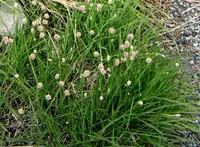
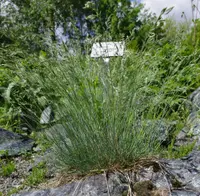
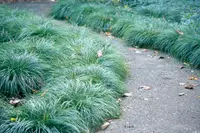
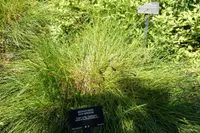
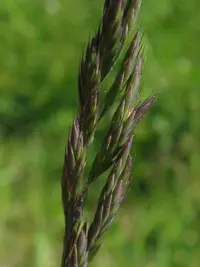
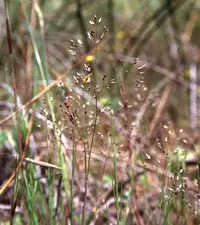
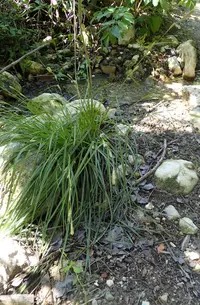
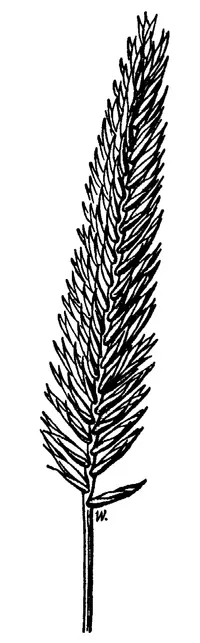
Alpine foxtail, Alopecurus magellanicus, is a compact, cool-season grass found in alpine and subarctic regions, often growing near melting snow and moist tundra sites. It forms small, tufted clumps with upright, narrow leaves and dense, brush-like flower spikes that resemble a tiny fox tail. This species is adapted to short growing seasons, low temperatures, and nutrient-poor soils, which makes it naturally hardy but sensitive to heat and prolonged drought. In cultivation, it prefers cool conditions, consistent moisture, and well-drained, gritty soil, so success depends on matching these climates as closely as possible. Gardeners who care for Alpine Foxtail should focus on cool exposure and avoiding waterlogged or very hot sites.


Main Plant Requirements

Care Difficulty

Moderate Care

Light Preference

Full Sun

Water Requirements

Regular Water

Temperature Preference

Cold Hardy

Hardiness Zone

3–7

Soil Texture

Sandy, Loamy, Silty

Soil pH

Acidic (5.5–6.5), Slightly acidic (6.5–7.0)

Soil Drainage

Moist but well-drained

Fertilization

Minimal (feed rarely)

Get Personalized Care Plan

Scan your plant to receive care tips personalized for your specific plant

Available on iOS and Android

How to Care for the Alpine Foxtail

This cool-climate grass prefers bright, gentle light with some protection from strong afternoon sun.

  • Provide 4–6 hours of sun daily, ideally with morning sun and light afternoon shade, especially in warmer regions.
  • Allow light dappled or filtered sun during the hottest part of the day to prevent leaf scorch and drying of the fine foliage of Alpine Foxtail.
  • In short-day or cloudy seasons, avoid deep shade; choose an open site with unobstructed sky to maintain dense, upright growth.

This species prefers consistently moist soil but does not tolerate stagnant water.

  • Water when the top 2–4 cm of soil feel just barely dry, aiming to keep the root zone evenly damp rather than wet or bone dry.
  • Ensure soil has good drainage; pooling water, sour smell, or yellowing, limp leaves indicate overwatering and possible root stress.
  • In hot, windy periods increase checks for dryness, while in cool or rainy seasons reduce irrigation and allow natural rainfall to dominate Alopecurus magellanicus needs.

This grass is adapted to cool, harsh climates and handles cold far better than heat.

  • Support active growth in cool conditions around 45–65°F (7–18°C), which match the natural range of this subpolar species.
  • Tolerates hard frost and winter lows down to about 5–15°F (-15 to -9°C) with snow cover or mulch, remaining dormant but viable.
  • In warmer climates, protect from sustained heat above 80°F (27°C); combine cooler exposure with consistent soil moisture to reduce heat stress.

This grass handles a wide humidity range and rarely needs special humidity management outdoors.

This species prefers consistently moist, cool, well-drained soil that stays airy around the roots.

  • Use a loamy, organic-rich substrate with fine texture that holds moisture yet does not become sticky or compacted.
  • Aim for slightly acidic to neutral pH around 6.0–7.0, similar to many temperate meadow and alpine soils.
  • Blend garden loam with fine compost and some sharp sand to improve structure, moisture retention, and drainage balance.
  • Avoid heavy clay that stays waterlogged, as Alopecurus magellanicus is prone to root decline in stagnant, air-poor conditions.

This species can be grown in containers if the pot supports its moisture needs and spreading habit.

  • Choose a wide, shallow to medium-depth pot so the fibrous roots and slowly spreading clumps can expand laterally without crowding.
  • Select a heavier material such as ceramic to reduce tipping risk when the foliage becomes dense or wind-exposed on balconies or patios.
  • Elevate the container slightly on pot feet so drainage holes clear quickly and runoff does not re-soak the root zone after rain or watering.

This grass needs only modest feeding, especially in lean or sandy soils.

  • Use a light application of balanced NPK granular fertilizer or compost in early spring as growth starts.
  • Apply again in mid-summer only if Alopecurus magellanicus shows pale foliage or weak growth.
  • Dilute liquid feeds to 1/2–1/4 strength to avoid forcing lush, floppy foliage.
  • Stop feeding in late summer and avoid fertilizing during winter dormancy.

Pruning for this grass is simple and mainly focused on cleanup and renewal.

  • Cut back dead or damaged foliage in late winter or very early spring before new shoots emerge.
  • Shear old flower stems and ragged leaves to 5–8 cm to keep clumps compact and tidy.
  • During the growing season, remove discolored or lodging stems to maintain air flow and appearance.
  • Use clean, sharp hand shears or scissors and avoid cutting into the crown where new buds form.

Alopecurus magellanicus is more often transplanted in the garden than kept long term in containers.

  • Plan division or transplanting in early spring or early fall when temperatures are mild.
  • Look for crowded clumps, central dieback, or slow growth as signs that lifting and splitting are due.
  • Dig up the clump carefully, divide into sections with healthy roots, and replant at the same depth.
  • Water thoroughly after transplanting and shade lightly for a few days to limit root stress.

This species is most commonly propagated by division, with seed used for larger projects.

  • Divide mature clumps in early spring or early fall when soil is cool and moist.
  • Lift the plant, split into smaller pieces with several shoots and roots each, then replant promptly.
  • For seed, sow fresh seed on the soil surface in spring, barely covering and keeping evenly moist.
  • Provide bright light, cool conditions, and good air movement to encourage healthy establishment.

This cool-climate grass is generally cold hardy and needs minimal winter attention in the ground.

  • In colder regions, leave dry foliage standing over winter to insulate the crown and roots.
  • Apply a light mulch around, but not over, the crown to moderate freeze–thaw cycles.
  • For containers, move pots to a sheltered, unheated area to reduce root freezing and excess wetness.

Care Tips

Wind exposure management

Site the plants where they receive steady air movement but are protected from constant strong winds, which can lodge the flowering stems; in very exposed sites, a low, porous windbreak such as mesh fencing or a staggered row of sturdier perennials helps keep the clumps upright.

Snow and frost resilience

Allow winter snow cover to remain over plants in colder regions, as it insulates the crowns during freeze–thaw cycles; avoid scraping off compacted snow with tools, which can damage the small growing points at the soil surface.

Gentle clump division

When rejuvenating older clumps, lift and divide with a sharp knife or spade into small, 3–5 bud sections, then trim any excessively long roots before replanting so the divisions re-establish quickly without rocking in the wind.

Seed collection strategy

If you want self-sown seedlings but prefer some control, leave seed heads on only a few selected clumps and cut back the rest after flowering, which limits unwanted spread while maintaining a seed source adapted to your microclimate.

Targeted competition control

In mixed plantings, maintain a narrow, weed-free strip of 5–10 cm around the base of each clump by shallow hand-hoeing or finger weeding so slow, fine roots are not damaged and the grass can compete better with taller, more vigorous neighbors when growing Alpine Foxtail.

Common Pests and Diseases

Snow mold

This disease appears in late winter or early spring as gray-white, cottony patches matting the grass after snow melt. Symptoms include weakened, thinned clumps that recover slowly as temperatures rise.

Solution

Gently rake and fluff matted foliage to improve air movement, remove heavy thatch, and avoid late-season high nitrogen fertilization that encourages lush, soft growth before snowfall. In areas with recurrent problems, keep grass slightly shorter going into winter and if managed in turf-like stands, consider a labeled fungicide only when cultural steps are not sufficient.

Leaf rust

This disease causes small orange to brown pustules on leaves that can rub off on fingers or clothing, leading to reduced vigor in dense plantings. Symptoms include premature yellowing and early leaf death under warm, humid conditions.

Solution

Improve airflow by reducing overcrowding, avoid overhead watering late in the day, and remove and discard heavily affected foliage to reduce spore levels. In production or larger landscape settings, a targeted grass rust fungicide may be used according to label directions if cultural measures are insufficient.

Smuts

This disease replaces normal flower or seed structures with dark, powdery fungal masses contained in distorted spikelets. Symptoms include reduced seed set and unattractive, blackened inflorescences.

Solution

Remove and destroy affected seed heads before they break open to limit spread, and avoid saving seed from infected plants. In long-term plantings, rotate away from repeatedly affected sites and, for nursery or restoration use, start with smut-free seed sourced from reputable suppliers.

Aphids

These insects form small colonies on young stems and leaf bases, sucking sap and sometimes causing slight yellowing or distortion. This pest can also excrete sticky honeydew that encourages sooty mold on surrounding surfaces.

Solution

Spray plants with a firm stream of water to dislodge colonies, and encourage natural predators such as lady beetles by avoiding broad-spectrum insecticides. For persistent infestations, apply an insecticidal soap or horticultural oil labeled for grasses, coating stems and leaf bases thoroughly and repeating as needed.

Grass leafhoppers

These insects feed by piercing and sucking from leaves, which can cause fine pale speckling, tip yellowing, and reduced growth under heavy populations. This pest is more common in open, sunny, meadow-like plantings and can move in from surrounding grasses.

Solution

Mow or trim surrounding rank grass growth to reduce habitat, and keep plants moderately watered so stressed clumps can recover more easily. If damage is significant, use a targeted, low-toxicity insecticide labeled for leafhoppers on grasses, applied in the early morning or evening when insects are less active, and repeat based on label guidance.

Interesting Facts

Subantarctic grass specialist

This species naturally occurs in cold, oceanic regions of the Southern Hemisphere, including the Falkland Islands and subantarctic areas, where it is adapted to strong winds, low temperatures, and short growing seasons.

Short, tufted growth

It typically forms low, dense tufts rather than tall, loose clumps, an architecture that helps reduce damage from wind and cold exposure in its native habitats.

Indicator of wet ground

Populations are often found in moist tundra, boggy sites, and wet coastal meadows, so its presence in the wild commonly indicates persistently damp, cool soils.

FAQs about Alpine Foxtail

This cool-climate bunchgrass spreads slowly by short rhizomes and seed. It can form small patches but is not usually aggressive. In richer, moist soils, monitor seedlings and remove unwanted clumps to keep it contained.

Grow Healthy Plants with Botan Care

Keep your plants happy and healthy with plant identification, disease detection, and easy care guidance.

Botan plant care app — identify plants on mobile

Explore More Plants