Flooding management
If grown in low fields or near ponds, allow shallow standing water in early growth stages but drain or reduce water depth as plants mature to prevent lodging and root rot.

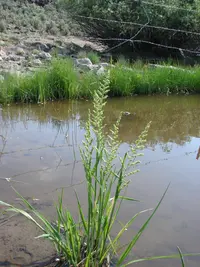
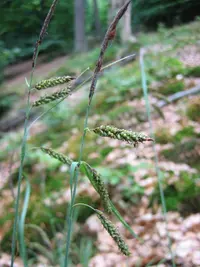
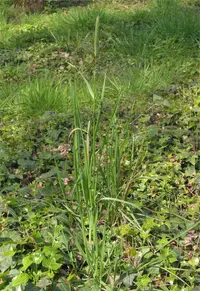
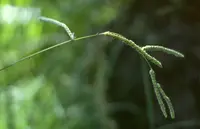
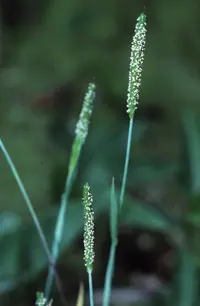
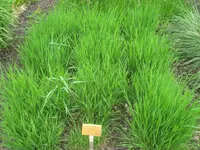
American sloughgrass (Beckmannia syzigachne) is a cool-season annual or short-lived perennial grass commonly found in wetlands, ditches, and along slow-moving water. It forms upright clumps with flat, bright green leaves and narrow, bristly flower spikes that give a slightly coarse look.
This species is native to North America and parts of Eurasia, where it thrives in saturated or periodically flooded soils. It often colonizes disturbed wet areas and can provide cover and forage for wildlife.
For those who want to care for American sloughgrass, the main considerations are consistent moisture, cool conditions, and soils that do not dry out fully. It generally prefers full sun and nutrient-rich, silty or clay soils.

Care Difficulty
Moderate Care

Light Preference
Full Sun

Water Requirements
Aquatic

Temperature Preference
Cold Hardy

Hardiness Zone
3–8

Soil Texture
Loamy, Silty, Organic-rich

Soil pH
Slightly acidic (6.5–7.0), Neutral (7.0)

Soil Drainage
Waterlogged tolerant

Fertilization
Minimal (feed rarely)
Scan your plant to receive care tips personalized for your specific plant
Available on iOS and Android
This cool-season grass prefers consistent light with protection from intense heat.
This species is adapted to moist to wet soils and does poorly if allowed to dry out.
This cool-season grass is hardy and tolerates a wide temperature range in temperate climates.
This moisture-loving grass prefers consistently humid, marsh-like air conditions but survives in 50–80% humidity if soil stays wet.
This wetland species needs saturated, heavy, oxygen-poor soil rather than typical garden conditions.
This grass can be grown in containers mainly for water gardens and controlled wetland plantings.
Beckmannia syzigachne usually needs minimal feeding, especially in fertile, moist soils.
Pruning needs for Beckmannia syzigachne are low and mainly focused on hygiene and stand management.
This grass is usually grown in the ground, so transplanting Beckmannia syzigachne is more relevant than container repotting.
Beckmannia syzigachne is most commonly propagated by seed, with division as a secondary option for established stands.
This cool-season grass is generally cold hardy and needs little winter care once established in the ground.

Plant Health Check
Not sure what's wrong with your plant? Check your plant's health inside the app.
This species is a cool-season annual or short-lived perennial grass that thrives in temperate to subarctic regions across North America and Eurasia, often dominating wet meadows and ditches where few other grasses perform well.
Its shallow but dense fibrous root system tolerates prolonged soil saturation and periodic flooding, allowing it to establish along pond margins, slow-moving streams, and seasonally flooded fields.
The seeds form an important seasonal food source for waterfowl and other wetland birds, and its dense stands offer shelter for small aquatic and semi-aquatic animals in marshy habitats.

Beckmannia syzigachne is considered a useful bioindicator of wetland and riparian conditions, because its presence and vigor often correlate strongly with stable, moist soils and relatively low salinity in freshwater habitats.
This cool-season grass can self-seed and form dense stands in wet soils, especially along ditches and shorelines. In some regions it is considered potentially weedy, so monitor spread and remove unwanted seedlings before they set seed.
Keep your plants happy and healthy with plant identification, disease detection, and easy care guidance.