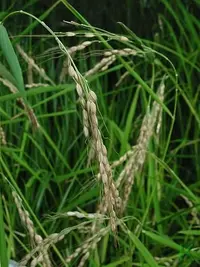
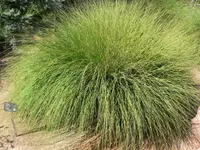
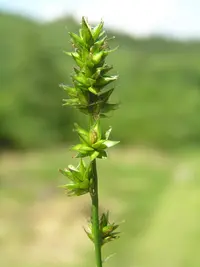
early hair-grass Care (Aira praecox)

Also known as: yellow hairgrass
early hair-grass

About early hair-grass

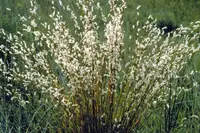
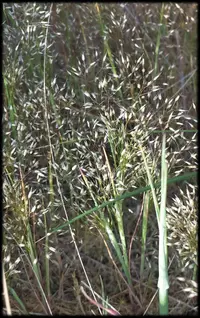
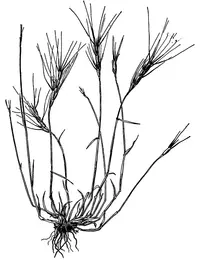
Early hair-grass, Aira praecox, is a small, fine-textured annual grass often found in dry, open habitats. It forms delicate, airy tufts that give a light, feathery look.

In nature it occurs across parts of Europe and has naturalized in some sandy or rocky sites in North America, especially in poor, well-drained soils. Its slim stems and sparse foliage make it visually unobtrusive but useful in naturalistic plantings.

This species favors full sun, low to moderate moisture, and nutrient-poor substrates, which can simplify care for early hair-grass in suitable conditions. It tends to be short-lived but self-seeds where it is happy, maintaining small, scattered colonies over time.

Main Plant Requirements

Care Difficulty

Moderate Care

Light Preference

Full Sun

Water Requirements

Low Water

Temperature Preference

Cool Climate

Hardiness Zone

5–8

Soil Texture

Sandy, Loamy, Rocky

Soil pH

Acidic (5.5–6.5), Slightly acidic (6.5–7.0)

Soil Drainage

Well-drained

Fertilization

Minimal (feed rarely)

Get Personalized Care Plan

Scan your plant to receive care tips personalized for your specific plant

Available on iOS and Android

How to Care for the early hair-grass

This small annual grass prefers open, bright sites with moderate sun exposure.

  • Provide 4–6 hours of direct sun daily, ideally gentle morning sun with light afternoon shade, to support compact, upright growth in early hair-grass.
  • In hotter regions, protect from intense midday sun, which can scorch fine leaves and dry soil too quickly; use dappled or filtered light in exposed positions.
  • In cooler or coastal climates, it tolerates fuller sun, but in overcast seasons ensure at least 3–4 hours of unobstructed light to prevent weak, floppy stems.

This species prefers slightly moist, well-drained soil and does not tolerate prolonged saturation.

  • Water when the top 2–3 cm of soil feels dry, using a gentle soak that moistens the root zone without leaving standing water on the surface.
  • During cool, wet seasons, reduce watering and rely more on natural rainfall; in hot, dry spells, check soil every 2–3 days for rapid drying.
  • Watch for yellowing, soft stems as a sign of overwatering and crisp, browning leaf tips or curling as indicators of underwatering; improve drainage if puddles persist.

This fine-textured grass prefers cool to mild conditions and tolerates a range of outdoor temperatures.

  • Aim for active growth in 50–70°F (10–21°C); it often germinates and thrives in cool spring weather rather than peak summer heat.
  • Established plants usually tolerate brief dips to about 25°F (-4°C), but repeated hard frosts or freeze–thaw cycles can damage young seedlings.
  • In hotter climates, growth may slow above 80°F (27°C); combine partial shade with consistent soil moisture to reduce heat stress and premature decline.

This grass tolerates a wide humidity range and usually does not need special humidity management in typical outdoor conditions.

This small annual grass prefers open, free-draining soils and struggles in heavy, wet ground.

  • Use a sandy or sandy-loam texture with minimal organic matter to copy its natural, nutrient-poor habitats.
  • Ensure very sharp drainage by mixing 40–60% coarse sand or fine grit into a standard loam-based soil.
  • Aim for slightly acidic to neutral pH around 5.5–7.0, as strongly alkaline soils may reduce vigor.
  • Avoid compacted clay, consistently wet spots, or sites that stay waterlogged after rain to prevent root decline in Aira praecox.

This species can be grown in containers, mainly for rock garden displays or to control its spread.

  • Choose a shallow, wide pot that allows its fibrous roots to spread horizontally without deep soil.
  • Select a mineral-based mix and a terracotta or unglazed clay pot so excess moisture evaporates quickly.
  • Raise the container on feet or pot risers so drainage holes remain clear and water does not pool under the base.

This species is adapted to low-nutrient soils, so early hair-grass usually needs little or no fertilizer in gardens or containers.

Pruning Aira praecox is minimal and mainly cosmetic, aimed at keeping the clump tidy and preventing unwanted self-seeding.

  • Cut back spent flowering stems in late summer or early fall using clean hand shears or scissors.
  • Remove any dead, diseased, or flattened foliage at the base to reduce fungal problems and improve air flow.
  • Light trimming shapes the tufted form but avoid cutting into very short green growth to maintain vigor.

Transplanting Aira praecox is infrequent and mainly needed when clumps outgrow their space or when refreshing a planting area.

  • Plan moves in early fall or early spring, when temperatures are mild and soil is workable.
  • Look for tight, congested clumps or slow recovery after watering as signs it benefits from lifting and replanting.
  • Gently dig around the root zone, lift with soil attached, and replant at the same depth in well-drained ground.
  • Water thoroughly after transplanting, then keep soil just lightly moist for 1–2 weeks to limit root stress.

Propagation of Aira praecox is commonly done by seed and by small clump division in suitable sites.

  • Collect ripe seed in late summer, then sow on the soil surface in fall or early spring; do not bury deeply.
  • Use a free-draining, low-nutrient mix and maintain light, even moisture until germination in bright, indirect light.
  • For division, lift established clumps in early spring and gently separate into small sections with intact roots.
  • Replant divisions promptly, water in, and avoid heavy fertilization so roots establish in the new site.

Aira praecox is generally cold hardy in temperate climates and needs little specific winter care in the ground.

  • Allow foliage to remain over winter in colder areas, as it can help insulate the crown.
  • In exposed sites with repeated freeze–thaw, apply a light mulch layer around but not over the crown.
  • Move any small containers to a sheltered, unheated spot to reduce root freezing and waterlogging.

Care Tips

Encourage Self-Seeding

Allow some plants to flower and set seed, then lightly rake or disturb the soil surface in late summer so seed can fall into contact with mineral soil and establish a naturalistic, self-renewing colony.

Use Lean Substrate

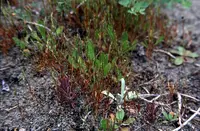
For long-lived stands, top-dress the planting with a thin layer of gritty sand or fine gravel once a year to keep the surface lean and open, which favors this species over more vigorous grasses and weeds.

Controlled Competition

In mixed plantings, periodically tease out or trim back faster-growing neighboring species by hand rather than using mulch, as mulch holds too much moisture and shade for growing early hair-grass effectively.

Support on Slopes

On sandy slopes, sow in narrow contour bands and gently firm the soil with a board or tamper after sowing to improve seed-soil contact and reduce erosion while the fine root system knits the surface.

Patch Renewal Strategy

Plan for patch rotation by lightly re-sowing adjacent bare or thinned areas every 1–2 years, which maintains a fresh, fine texture as older clumps become sparse or decline.

Common Pests and Diseases

Rust fungi

This disease causes small orange, brown, or yellow pustules on leaves and stems, often leading to early leaf drying in dense, moist stands of early hair-grass.

Solution

Remove and destroy heavily infected clumps to reduce spore spread, avoid overhead irrigation, and keep plants spaced with good air movement; in production or valuable plantings, a grass-safe fungicide labeled for rust can be used preventively when wet, cool conditions are expected.

Powdery mildew

This disease produces a white, powdery coating on leaves and flowering stems, which can reduce vigor and seed production in crowded or shaded sites.

Solution

Improve air circulation by thinning dense patches, avoid excess nitrogen fertilization, and remove the most affected foliage; in persistent cases, apply a labeled sulfur or potassium bicarbonate product when symptoms first appear.

Aphids

These insects suck sap from young stems and inflorescences, causing distortion, pale foliage, and sticky honeydew on nearby leaves or surfaces.

Solution

Rinse colonies off plants with a firm stream of water, encourage natural predators such as lady beetles where possible, and if needed use an insecticidal soap or light horticultural oil, making sure to wet all sides of the stems and seed heads.

Leafhoppers

These insects feed on leaves and stems, producing small pale speckles, tip yellowing, and occasional stunting, especially in dry, open grassland plantings.

Solution

Mow or cut back heavily affected patches to remove feeding sites, reduce nearby weed hosts, and if populations stay high use a pyrethrin or neem-based product in the evening when beneficial insects are less active.

Smuts

This disease replaces developing grass seeds with dark, powdery fungal spores, which turn seed heads black and can reduce the ornamental and ecological value of the stand.

Solution

Cut and remove infected seed heads before spores disperse, avoid moving contaminated seed or soil to new sites, and in managed plantings rotate to clean seed sources and avoid repeatedly sowing in the same infested area to support long-term Aira praecox plant care.

Interesting Facts

Ephemeral annual strategy

This species is a very short-lived annual grass that completes its life cycle early in the growing season, often disappearing by midsummer once seeds have matured.

Specialist of poor soils

It is typically found on dry, acidic, nutrient-poor sandy or gravelly substrates, where it faces less competition from taller, more vigorous grasses.

Pioneer of disturbed ground

The grass often colonizes recently disturbed, open ground such as heaths, paths, and quarries, acting as an early successional species before being replaced by more robust vegetation.

FAQs about early hair-grass

This grass is typically an annual species. It germinates, flowers, sets seed, and dies within 1 season. In suitable sites it often appears year after year because many seeds persist in the soil and re-establish new plants.

Grow Healthy Plants with Botan Care

Keep your plants happy and healthy with plant identification, disease detection, and easy care guidance.

Botan plant care app — identify plants on mobile

Explore More Plants