


Encourage Self-Seeding
Allow some flower heads to dry on the plant and drop naturally, or cut and shake them over the desired area in late summer to keep a delicate, renewing drift without replanting each year.

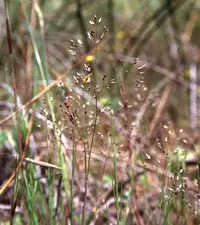
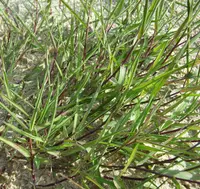
Silver hairgrass, Aira caryophyllea, is a fine-textured annual grass known for its delicate, airy flower heads that move easily in the breeze. It stays low and light, forming loose tufts rather than dense clumps.
This species is native to parts of Europe and western Asia but is now found in many dry, open habitats, including sandy fields, rocky slopes, and disturbed sites. Its main appeal is the soft, silvery look that works well in naturalistic plantings.
The plant prefers poor, well-drained soil and does best in open, sunny positions. Its tolerance of drought and low-nutrient conditions makes it relatively easy to care for silver hairgrass in suitable climates.

Care Difficulty
Easy Care

Light Preference
Full Sun

Water Requirements
Low Water

Temperature Preference
Cool Climate

Hardiness Zone
5–9

Soil Texture
Sandy, Loamy, Rocky

Soil pH
Acidic (5.5–6.5), Slightly acidic (6.5–7.0)

Soil Drainage
Well-drained

Fertilization
Minimal (feed rarely)
Scan your plant to receive care tips personalized for your specific plant
Available on iOS and Android
This fine-textured annual grass prefers open, bright conditions to develop its full airy look.
This species prefers slightly dry, free-draining conditions and is sensitive to prolonged wet soil.
This cool-season grass thrives in mild climates and dislikes prolonged extremes at either end of the temperature range.
This species tolerates a wide humidity range and rarely needs special humidity management outdoors.
This grass prefers lean, sandy, sharply drained soil and declines in heavy, wet substrates.
This species can be grown in containers for short-lived, ornamental tufts if drainage is kept very free.
Aira caryophyllea is adapted to low-nutrient soils and usually needs little or no fertilization.
Pruning needs for Aira caryophyllea are minimal and focus on tidying rather than shaping.
This fine annual grass is usually direct-sown or lightly transplanted rather than maintained long-term in containers.
This grass is most commonly renewed from seed rather than vegetative methods.
As a cool-season annual, silver hairgrass usually completes its life cycle before winter and needs no special cold-season care.

Plant Health Check
Not sure what's wrong with your plant? Check your plant's health inside the app.
This grass typically completes its entire life cycle in a single cool season, germinating in autumn or late winter, flowering in spring, and dying back soon after seed set as temperatures rise and soils dry.
The leaves and flowering stems are extremely slender and hair‑like, which helps reduce water loss and allows the plant to persist on dry, sandy or stony soils with very limited moisture.
Populations are most often found on nutrient‑poor, well‑drained sites such as sandy grasslands, dry heaths, and disturbed light soils, where they avoid competition from taller, more nutrient‑demanding grasses.

In parts of western and northern Europe, this species is used as an indicator of long‑established, unimproved dry grasslands, so its presence can help botanists identify sites of conservation value and relatively low historical fertilizer input.
This species is typically annual, completing its life cycle in 1 growing season. In mild climates it can sometimes self-seed, so new plants appear each year even though individual clumps do not persist for multiple seasons.
Keep your plants happy and healthy with plant identification, disease detection, and easy care guidance.

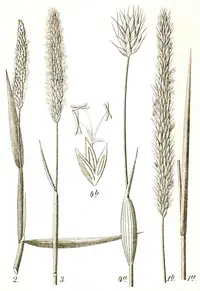
Rendle's meadow foxtail
Alopecurus rendlei
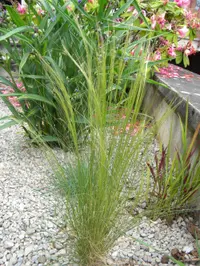
Mexican Feather Grass
Nassella tenuissima
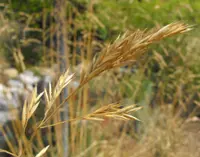
California fescue
Festuca californica
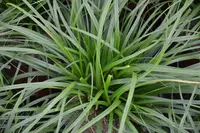
Sedge
Carex oshimensis EverColor® Everillo
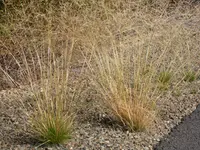
rough bentgrass
Agrostis scabra
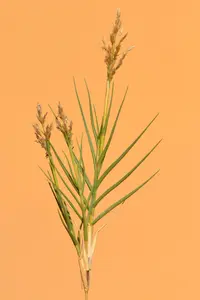
Coastal Cat´s-foot-grass
Aeluropus littoralis
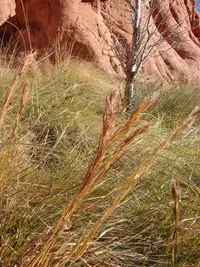
bushy bluestem
Andropogon glomeratus
creeping bentgrass
Agrostis stolonifera