
Plan for spread
Allow at least a 30–40 cm buffer around plantings, since this grass spreads by stolons and rhizomes, and edge the area 2–3 times per season to keep it from invading adjacent beds or crops.

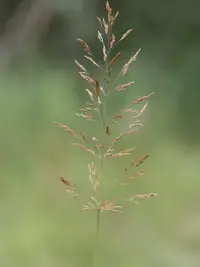
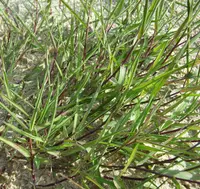
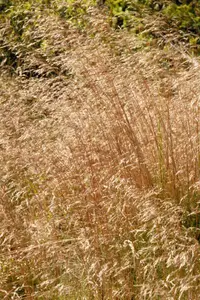
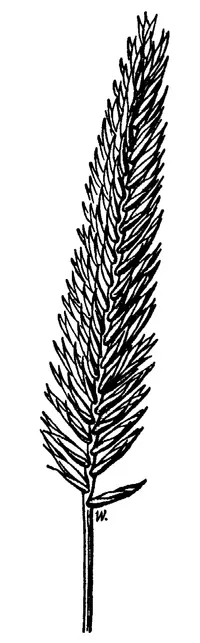
Redtop, Agrostis gigantea, is a cool-season perennial grass often found in meadows, pastures, roadsides, and disturbed soils. It spreads by both seeds and creeping rhizomes, forming loose, airy stands.
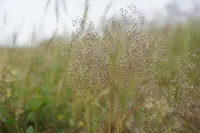
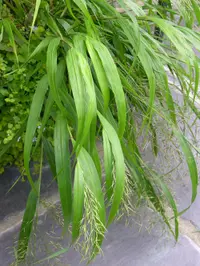
Plants have fine leaves and open, reddish-tinged flower panicles that give the grass its common name. It is commonly used for soil stabilization and low-input turf or forage in cooler regions.
This species adapts to a wide range of soils and moisture levels, which makes it relatively easy to establish. To care for redtop successfully, provide full sun or light shade and avoid very dry, compacted ground for best growth.

Care Difficulty
Easy Care

Light Preference
Full Sun

Water Requirements
Regular Water

Temperature Preference
Cold Hardy

Hardiness Zone
3–9

Soil Texture
Sandy, Loamy, Silty

Soil pH
Acidic (5.5–6.5), Slightly acidic (6.5–7.0)

Soil Drainage
Moist but well-drained

Fertilization
Minimal (feed rarely)
Scan your plant to receive care tips personalized for your specific plant
Available on iOS and Android
This cool-season grass prefers consistent sun exposure for dense, healthy growth.
This species prefers evenly moist but not saturated soil, especially during active growth.
This cool-season grass grows best in mild conditions and slows during heat or deep cold.
This cool-season grass handles a wide humidity range and rarely needs special humidity management.
This species prefers moist, fine-textured, moderately fertile ground that stays evenly damp without waterlogging.
This grass can be grown in containers, though it performs best where roots have generous horizontal space.
Agrostis gigantea benefits from modest fertilization, especially on poor soils, but heavy feeding is not required for healthy growth.
Pruning Agrostis gigantea is mainly cosmetic and maintenance-focused, helping keep the stand tidy and encouraging fresh shoots.
This grass is usually grown in the ground, so care focuses on dividing and transplanting clumps rather than frequent repotting.
Agrostis gigantea is commonly propagated by seed or division, both suitable for establishing new patches or thickening existing stands.
Agrostis gigantea is cold hardy in most temperate regions and typically requires minimal winter care in the ground.

Plant Health Check
Not sure what's wrong with your plant? Check your plant's health inside the app.
This species is originally native to moist meadows, marsh edges, and stream banks across Europe and parts of Asia, which explains its strong preference for cool, damp habitats when grown elsewhere.
Agrostis gigantea spreads through slender rhizomes (underground stems), allowing it to form dense, persistent turf and to recover quickly after disturbance such as grazing or mowing.
Its fibrous root system and rhizomatous growth have led to frequent use in erosion control mixes, especially on disturbed, moist soils like road banks and reclaimed sites.
In North America, Agrostis gigantea is widely used as a reference or standard species in research on herbicide resistance and grassland management, because it is common, relatively easy to grow, and responds in a consistent way to many management treatments.
This grass spreads by both seed and short rhizomes, forming loose colonies over time. In moist, disturbed, or overwatered areas it can become weedy and outcompete finer turf, so edging and regular mowing or cutting help contain it.
Keep your plants happy and healthy with plant identification, disease detection, and easy care guidance.