Rotational Grazing Use
In pasture settings, use rotational grazing and avoid continuous heavy grazing so plants can regrow leaf area and rebuild root reserves before the next grazing cycle.

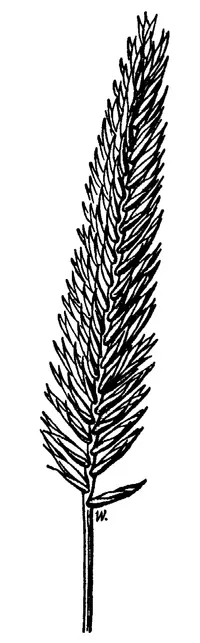
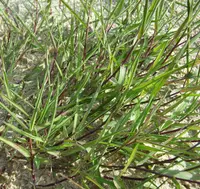
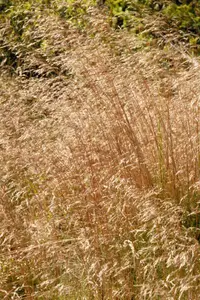
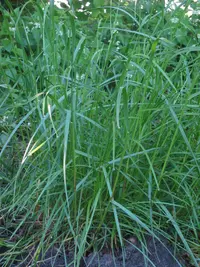
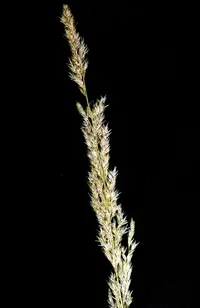
Desert wheatgrass (Agropyron desertorum) is a perennial bunchgrass grown mainly for rangeland restoration, erosion control, and low-input landscaping in dry regions. It forms dense clumps with narrow, blue-green leaves and upright seed heads that create a fine, tufted look.
This grass is native to arid and semi-arid areas of Eurasia and is widely used in similar climates in North America. It is valued for strong drought tolerance, cold hardiness, and the ability to establish in poor, sandy, or rocky soils.
Because it is resilient and low maintenance once established, many land managers find it straightforward to care for desert wheatgrass, provided it has full sun and well-drained soil.

Care Difficulty
Easy Care

Light Preference
Full Sun

Water Requirements
Low Water

Temperature Preference
Cold Hardy

Hardiness Zone
3–9

Soil Texture
Sandy, Loamy, Rocky

Soil pH
Neutral (7.0), Slightly alkaline (7.0–7.5)

Soil Drainage
Well-drained

Fertilization
Minimal (feed rarely)
Scan your plant to receive care tips personalized for your specific plant
Available on iOS and Android
This cool-season bunchgrass prefers open, bright conditions similar to its native steppe habitats.
This drought-tolerant grass prefers infrequent, deeper watering once established rather than frequent light applications.
This species is adapted to cold winters and semi-arid climates, showing strong tolerance to temperature extremes.
Humidity is not a significant factor for Agropyron desertorum, which is adapted to very dry air.
This species thrives in lean, fast-draining, sandy mineral soil that closely mimics dry steppe conditions.
This grass can be grown in containers outdoors, though it performs best where the pot stays dry between waterings.
This drought-adapted grass needs only light feeding under managed conditions, especially in poor or heavily grazed soils.
Pruning needs for Agropyron desertorum are minimal and mainly focused on sanitation and stand renewal.
This bunchgrass is usually grown in the ground, so management focuses on field transplanting rather than frequent repotting.
New plants are most often produced by seed, with clump division used to maintain selected lines of Agropyron desertorum.
This cold-hardy grass generally needs little winter care in most temperate climates.

Plant Health Check
Not sure what's wrong with your plant? Check your plant's health inside the app.
This bunchgrass begins growth very early in spring, often before many native species, which allows it to capture soil moisture from snowmelt in semi-arid rangelands.
It was widely introduced across western North America in the 20th century because its leaves and stems remain palatable and nutritious for livestock longer into the summer than many native grasses.
Its dense fibrous root system enables efficient use of limited water in dry steppe and sagebrush habitats and helps stabilize soils on disturbed or overgrazed lands.

Agropyron desertorum is not native to North America but originates from Eurasian steppe regions, and its extensive use in rangeland seedings has raised conservation concerns where it can outcompete some native bunchgrass communities.
Leaf tips often brown from drought stress, heat, or excess fertilizer salts. Check soil drainage, reduce fertilization, and water deeply but less often. Old leaves naturally dry and die back; trim them to keep clumps tidy.
Keep your plants happy and healthy with plant identification, disease detection, and easy care guidance.