Shear To Rejuvenate
Cut the clump back to 5–8 cm in late winter or very early spring before new growth starts to keep the mound dense and prevent a buildup of dead, thatchy foliage.

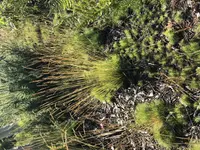
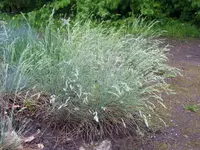
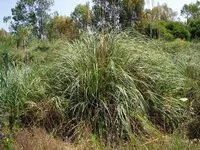
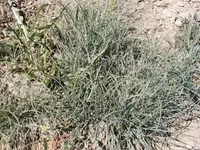
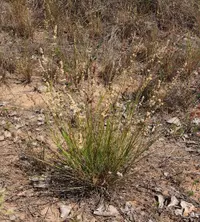
Bristle bent, Alpagrostis setacea, is a fine-textured, tuft-forming ornamental grass valued for its airy, delicate look. It forms low, dense clumps with slender, bristle-like leaves and light, feathery flower heads that sway above the foliage. This grass is native to dry, often sandy or rocky habitats in parts of Europe, so it is generally adapted to lean, well-drained soils and open, sunny sites. Its tolerance of poor soils and moderate drought makes it relatively low-maintenance once established. Gardeners who want to care for bristle bent mainly need to provide good drainage and avoid highly fertile, wet conditions that can reduce its compact form and longevity.

Care Difficulty
Easy Care

Light Preference
Full Sun

Water Requirements
Low Water

Temperature Preference
Cold Hardy

Hardiness Zone
5–8

Soil Texture
Sandy, Loamy, Rocky

Soil pH
Acidic (5.5–6.5), Slightly acidic (6.5–7.0)

Soil Drainage
Well-drained

Fertilization
Minimal (feed rarely)
Scan your plant to receive care tips personalized for your specific plant
Available on iOS and Android
This fine-textured grass prefers open, bright conditions to maintain dense, upright growth.
This species prefers moderately dry, free-draining conditions rather than consistently moist soil.
This cool-season grass handles a wide temperature range when soil drainage is good.
This grass tolerates a wide humidity range and rarely needs special humidity management indoors or outdoors.
This species prefers lean, very free-draining mineral soil that mimics dry, sunny grassland conditions.
This species is suitable for containers if the pot mimics its naturally dry, free-draining root environment.
This fine fescue-type grass needs only modest feeding in average garden soil.
Alpagrostis setacea benefits from light, timed pruning to keep clumps tidy and vigorous.
This grass is usually grown in the ground, with transplanting done only when clumps outgrow their space or weaken in the center.
This species is most often propagated by division, with seed used mainly for larger landscape projects.
This cold-hardy grass usually needs minimal winter care in typical temperate climates.

Plant Health Check
Not sure what's wrong with your plant? Check your plant's health inside the app.
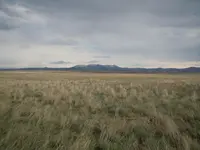
This species is strongly associated with dry, acidic, nutrient-poor sandy soils, where its fine root system allows it to persist in places where many other grasses fail to establish.
Botanists often treat this grass as a characteristic species of heathlands and dry acidic grasslands in Europe, so its presence can help indicate long-term low-fertility, low-lime site conditions.
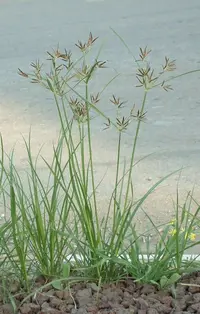
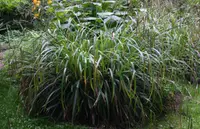
The plant forms dense clumps of very thin, bristle-like leaves and flowering stems that give it a fine, hair-like texture and a noticeably different appearance from broader-leaved pasture grasses, which is useful when learning how to take care of bristle bent in mixed plantings.
This grass forms loose clumps and spreads slowly by short rhizomes and seed. It is not usually aggressive in average garden conditions, but can self-seed in open, sunny, sandy sites if soil is left bare.
Keep your plants happy and healthy with plant identification, disease detection, and easy care guidance.