Rhizome Containment
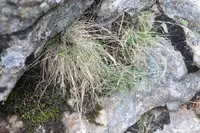
Install a shallow root barrier 15–20 cm deep along beds or near ponds to prevent the creeping rhizomes from invading adjacent turf or plantings while still allowing a dense groundcover to form on the desired side.

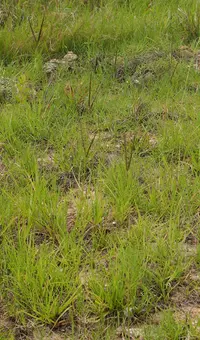
Knotgrass, Paspalum distichum, is a low-growing, spreading grass often found along riverbanks, wetlands, and damp lawns. It forms dense mats with creeping stems and narrow leaves.
This species is native to many warm and subtropical regions and adapts well to moist, periodically flooded soils. Its vigorous, stolon-forming habit makes it useful for erosion control but also means it can spread aggressively.
Because it tolerates wet conditions, fluctuating water levels, and moderate foot traffic, it is generally easy to maintain once established. Understanding how to care for knotgrass starts with providing consistent moisture, full sun to light shade, and reasonably fertile, well-drained to periodically wet soil.

Care Difficulty
Easy Care

Light Preference
Full Sun

Water Requirements
Aquatic

Temperature Preference
Cold Hardy

Hardiness Zone
5–11

Soil Texture
Sandy, Loamy, Silty

Soil pH
Slightly acidic (6.5–7.0), Neutral (7.0)

Soil Drainage
Waterlogged tolerant

Fertilization
Minimal (feed rarely)
Scan your plant to receive care tips personalized for your specific plant
Available on iOS and Android
Paspalum distichum thrives in bright outdoor conditions where it can receive consistent daily sun.
This semi-aquatic grass prefers moist to wet conditions and does best where soil does not fully dry out.
This warm-season grass grows most actively in mild to hot conditions typical of late spring through early fall.
This species tolerates a wide humidity range and usually does not need special humidity management in typical outdoor conditions.
This grass prefers consistently moist, fine-textured soil that retains water yet does not stay stagnant.
This species can be grown in containers, mainly for water-edge displays or controlled spreading.
Paspalum distichum needs only light feeding because it is adapted to modest soils.
Pruning Paspalum distichum is mainly for tidiness and to manage spread rather than plant health.
This species is usually grown in the ground, so care focuses on dividing and transplanting clumps rather than frequent repotting.
Paspalum distichum spreads fast and is most commonly propagated by division of rooted runners.
In most temperate regions Paspalum distichum is cold hardy and needs minimal winter care once established.

Plant Health Check
Not sure what's wrong with your plant? Check your plant's health inside the app.
This species can grow both submerged in shallow water and on exposed muddy or sandy banks, forming dense mats that tolerate periodic flooding and drying. Its creeping stems root at the nodes, allowing it to quickly stabilize saturated soils along shorelines and irrigation canals.
Perennial knotgrass shows notable tolerance to brackish and mildly saline water, so it often colonizes estuaries, salt marsh margins, and coastal ditches where many other grasses fail. This salt tolerance makes it useful for studying plant adaptation to saline habitats.
The small seeds and young shoots are eaten by ducks and other waterfowl, especially in wetlands and rice-growing regions. In some areas, its presence is considered beneficial for supporting migratory bird populations.

In rice paddies and irrigation systems worldwide, this species is a notable weed because its tough, creeping rhizomes and stolons can survive cultivation, flooding, and partial herbicide control, allowing it to rapidly re-sprout and compete strongly with crops for light and nutrients.
This species spreads quickly by creeping stems and rhizomes, especially in moist soil. It can form dense mats, outcompete nearby plants, and become difficult to remove, so use physical edging or barriers where spread is a concern.
Keep your plants happy and healthy with plant identification, disease detection, and easy care guidance.