Stabilize Rocky Sites
On loose or gravelly slopes, lightly press the root zone with a flat board or boot after planting to ensure firm soil contact and reduce heaving by frost or wind.

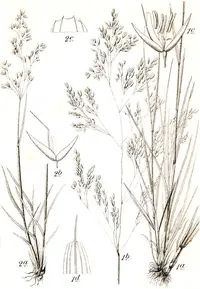
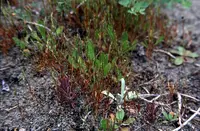
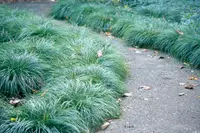
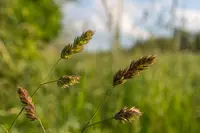
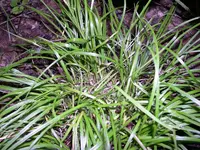
Rock bent, Agrostis rupestris, is a fine-textured perennial grass adapted to cold, exposed mountain habitats. It typically forms low, tufted clumps with delicate, airy seed heads.
In nature it occurs on rocky slopes and alpine grasslands, often in shallow, stony soils with good drainage. Its compact growth and tolerance of poor soils make it interesting for rock gardens and naturalistic plantings.
However, it can be slow to establish and may struggle in hot, humid lowland climates. Anyone who wants to learn how to care for Rock Bent should focus on cool conditions, steady moisture, and sharply drained mineral soils.

Care Difficulty
Moderate Care

Light Preference
Full Sun

Water Requirements
Moderate Water

Temperature Preference
Cold Hardy

Hardiness Zone
4–7

Soil Texture
Sandy, Loamy, Rocky

Soil pH
Acidic (5.5–6.5), Slightly acidic (6.5–7.0)

Soil Drainage
Well-drained

Fertilization
Minimal (feed rarely)
Scan your plant to receive care tips personalized for your specific plant
Available on iOS and Android
This alpine grass prefers bright, open conditions with cool roots and steady light exposure.
This species prefers evenly moist but never waterlogged soil, especially during its main growing season.
This alpine grass is adapted to cool summers and cold winters, with good tolerance to frost when established.
This grass is naturally adapted to cool, open sites where air humidity is moderate rather than high.
Agrostis rupestris prefers mineral, sharply drained soil that mimics alpine or rocky grassland conditions.
This species can be grown in containers if the pot and mix are chosen to keep roots cool and sharply drained.
This alpine grass has modest nutrient needs, so light feeding is enough for healthy growth in most garden soils.
Pruning for Agrostis rupestris is minimal and mainly focuses on keeping clumps tidy and healthy.
This species is usually grown in rock gardens or open ground, so management focuses on careful transplanting rather than frequent repotting.
Agrostis rupestris is most often propagated by seed or careful division of mature clumps.
This alpine grass is naturally cold hardy and usually needs little specific winter care in temperate climates.

Plant Health Check
Not sure what's wrong with your plant? Check your plant's health inside the app.
This species is naturally restricted to rocky, high-elevation habitats in parts of central and southern Europe, where it forms sparse, fine-textured tufts on exposed mountain slopes and ridges.
It often anchors itself in shallow soil pockets and rock crevices, using a fine but dense root system to exploit thin, nutrient-poor substrates that many other grasses cannot tolerate.
The plant shows strong tolerance to cold, wind, and intense sunlight typical of subalpine and alpine zones, remaining viable in environments with short growing seasons and frequent temperature fluctuations.
Growth is slow to moderate. It usually forms small, tight clumps, adding only a few centimeters per year. Establishment can take several seasons, especially in lean, rocky soils where this alpine grass naturally occurs.
Keep your plants happy and healthy with plant identification, disease detection, and easy care guidance.