blue oat grass Care (Helictotrichon sempervirens)

blue oat grass

About blue oat grass

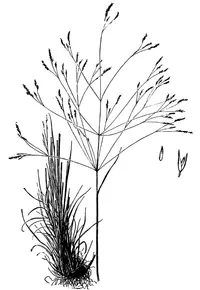
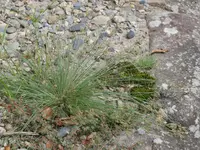
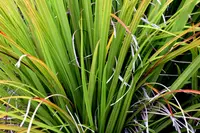
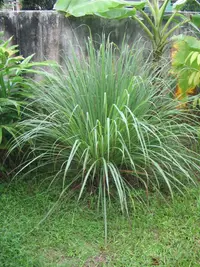
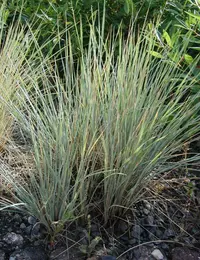
Blue oat grass, Helictotrichon sempervirens, is a cool-season ornamental grass valued for its fine, steel-blue foliage and neat, clumping habit. It typically forms rounded tufts that hold a tidy shape year-round in mild climates.

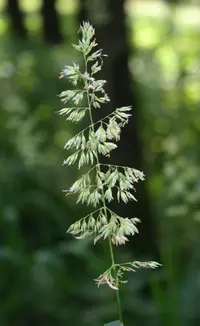
This species is native to rocky, sunny slopes in parts of Europe, so it is naturally adapted to relatively dry, well-drained conditions. It produces airy flowering stems that rise above the foliage, giving a light, transparent effect in mixed borders.

Blue oat grass is generally easy to grow when given full sun, moderate moisture, and soil that does not stay wet. These traits make it a reliable choice for gardeners who want to know how to care for blue oat grass with minimal effort.

Main Plant Requirements

Care Difficulty

Easy Care

Light Preference

Full Sun

Water Requirements

Low Water

Temperature Preference

Cold Hardy

Hardiness Zone

4–9

Soil Texture

Sandy, Loamy, Rocky

Soil pH

Slightly acidic (6.5–7.0), Slightly alkaline (7.0–7.5)

Soil Drainage

Well-drained

Fertilization

Minimal (feed rarely)

Get Personalized Care Plan

Scan your plant to receive care tips personalized for your specific plant

Available on iOS and Android

How to Care for the blue oat grass

Helictotrichon sempervirens thrives in bright, open sites with plenty of direct sun.

  • Provide 6–8 hours of direct sun daily; full sun promotes compact growth and stronger blue foliage in blue oat grass.
  • Tolerates light afternoon shade in hotter regions, but dense shade leads to weak, floppy leaves and reduced color.
  • Plant in an unshaded south- or west-facing spot outdoors; in summer, monitor for leaf scorching in extreme heat and adjust with light, filtered afternoon shade if needed.

This drought-tolerant grass prefers infrequent, deep watering and well-drained soil.

  • Water only when the top 5–7 cm of soil feel dry; established plants often need no more than a thorough soak every 10–21 days in typical garden conditions.
  • Use sharply draining soil or a sloped bed so water does not pool; persistent wetness around the crown increases root and crown rot risk.
  • Reduce watering further in fall and winter, watching for limp, curling, or browning leaf tips as a sign the plant stayed too dry for too long.

This cool-season grass handles a wide temperature range but grows best in moderate conditions.

  • Optimal active growth occurs around 55–75°F (13–24°C), with strongest flushes in cool spring and fall weather.
  • Mature plants tolerate winter lows down to about -20°F (-29°C) with good drainage; avoid sites where waterlogged soil can freeze around the roots.
  • In summer, plants endure up to about 85–90°F (29–32°C) if soil is not soggy; extended hotter periods may slow growth and cause some leaf tip browning.

Humidity is rarely a limiting factor for Helictotrichon sempervirens.

This species prefers mineral, sharply drained soil to maintain long-term vigor.

  • Use a sandy or gritty loam with low to moderate organic matter so roots stay aerated and dry quickly after rain or watering.
  • Ensure fast drainage by blending roughly 50–60% coarse sand or fine gravel into native soil, especially in heavier clay locations.
  • Aim for slightly alkaline to neutral pH around 7.0–8.0; avoid strongly acidic mixes that can weaken growth.
  • Avoid compacted, waterlogged, or peat-heavy substrates, which increase root rot risk and shorten the plant’s lifespan.

This grass is suitable for container growing in sunny, open sites.

  • Choose a wide, stable container to counter the top-heavy, arching foliage and reduce tipping in wind.
  • Use a deep pot with at least the bottom third filled with coarse grit or chunky mineral material to speed drainage.
  • Select unglazed clay or other breathable materials to let the root zone dry between waterings and prevent crown rot in blue oat grass.

Blue oat grass benefits from modest, controlled feeding to support foliage color and dense clumps.

  • Use a balanced slow-release fertilizer (for example 10-10-10) or a light layer of compost in early spring.
  • Feed once per year during active growth; avoid mid-summer high-nitrogen products that cause floppy leaves.
  • Apply at half the label rate for ornamental grasses, keeping granules off foliage and crown.
  • Do not fertilize in late fall or winter, as the plant is semi-dormant and excess nutrients may weaken growth.

Helictotrichon sempervirens responds well to light, timely pruning that maintains a tidy, upright clump.

  • In late winter or very early spring, cut back old, straw-colored foliage to 5–10 cm above the crown.
  • Remove dead, damaged, or badly tangled leaves and flower stems during the growing season with clean hand pruners.
  • Thin crowded centers by selectively cutting older stems to improve air flow and reduce fungal problems.
  • Avoid cutting into the crown in midsummer; instead, lightly groom by combing out dead blades by hand or with gloved fingers.

This grass is usually grown in the ground, so transplanting is more common than container repotting.

  • Look for clumps that are congested, with dead centers or slowed growth, or containers with roots circling the pot.
  • Transplant or divide in early spring or early fall, allowing cooler temperatures and moisture to reduce stress.
  • Plan on lifting and renewing garden clumps every 3–5 years to maintain vigor and an attractive shape.
  • Water deeply before and after moving, keep roots shaded, and trim back top growth slightly to balance root loss.

Helictotrichon sempervirens is most reliably propagated by division, with seed used mainly for larger-scale planting.

  • Divide mature clumps in early spring, when new shoots just appear, using a sharp spade or knife.
  • Select vigorous outer sections, discarding weak, woody centers, and replant divisions at the original soil depth.
  • Keep newly divided plants evenly moist in well-drained soil and full sun until established.
  • Seeds can be sown in trays in late winter, using a free-draining mix and cool conditions for steady germination.

This species is generally cold hardy and needs only minimal winter care in most temperate gardens.

  • Plants tolerate frost and snow once established, especially in well-drained soil that prevents crown rot.
  • Apply a thin mulch layer around, but not on top of, the crown in colder regions to buffer freeze–thaw cycles.
  • Leave most foliage standing through winter to shelter the crown, cutting it back in late winter before new growth starts.
  • Container-grown clumps in very cold climates benefit from moving to a sheltered spot or wrapping pots to reduce root freezing.

Care Tips

Clump Renewal

Every 3–4 years, lift and divide congested clumps in early spring, discarding the dead, strawy center and replanting only the vigorous outer sections to keep the plant dense and upright.

Winter Drainage Check

Before winter, improve surface drainage around the clump with a slight gravel or grit top-dress so the crown does not sit in cold, standing water, which greatly reduces root rot risk.

Seed Head Management

If self-seeding is a concern, cut back the flowering stems as they turn tan and dry, leaving the evergreen foliage intact to maintain the plant’s form while limiting unwanted seedlings.

Companion Spacing

Position lower, non-spreading perennials or groundcovers at least 20–30 cm away from the crown so they do not shade or crowd the base, which helps the foliage stay full and blue from top to bottom.

Color Maintenance Grooming

In late winter, comb through the foliage by hand or with gloved fingers to remove dead, brown blades; this quick grooming step is key when caring for blue oat grass to keep the blue leaves clean and showy.

Common Pests and Diseases

Rust

This disease causes small orange, brown, or yellow pustules on leaves and can lead to early browning and dieback of foliage. Symptoms include weakened clumps that thin out over time.

Solution

Remove and discard heavily infected leaves to reduce spore spread, then improve air circulation by thinning crowded clumps and avoiding overhead watering. If rust recurs, apply a targeted fungicide labeled for ornamental grasses in early summer and rotate products to reduce resistance.

Leaf spot

This disease produces tan to dark brown spots or streaks on leaves, often starting near the tips and progressing downward. Symptoms include premature leaf drying and a patchy, unattractive clump.

Solution

Cut back and dispose of affected foliage, then water at the base to keep leaves dry and reduce spread. In persistent cases, use a systemic or contact fungicide approved for ornamental grasses, and avoid high nitrogen fertilization that encourages lush, susceptible growth.

Aphids

These insects cluster on young shoots and leaf bases, sucking sap and sometimes causing distorted growth and sticky honeydew. This pest can attract sooty mold fungi, making foliage look dull and dirty.

Solution

Rinse colonies off with a firm stream of water and remove heavily infested shoots if practical. For ongoing issues, introduce or conserve natural predators such as lady beetles, or use an insecticidal soap or horticultural oil, ensuring thorough coverage of leaf bases and undersides.

Spider mites

These pests feed on leaf surfaces, causing fine stippling, dull gray-green color, and in severe cases webbing between blades. Symptoms include dry, tired-looking foliage even when soil moisture is adequate.

Solution

Increase humidity around the plant with occasional hosing of foliage and reduce heat stress, as mites thrive in hot, dry conditions. Wash leaves thoroughly with water to knock mites off, and if needed apply a horticultural oil or miticide labeled for spider mites, repeating as directed to catch new hatchlings.

Interesting Facts

Cool-climate native

This species is native to mountainous and subalpine regions of western and central Europe, where it grows naturally in dry, open, often rocky grasslands and slopes. Its evolution in these exposed habitats explains its strong tolerance to wind, sun, and relatively poor soils.

Distinctive blue foliage

The blue color of its leaves comes from a waxy coating called epicuticular wax that scatters light and reduces water loss. This glaucous, steel-blue foliage is unusually persistent for a cool-season grass and remains ornamental for most of the year in mild climates.

Cool-season growth pattern

It is a cool-season bunchgrass, meaning its main growth occurs in spring and early summer, with reduced activity in high summer heat. Unlike many warm-season ornamental grasses, it can stay semi-evergreen in milder winters, especially in well-drained sites.

FAQs about blue oat grass

Brown tips usually come from drought, salt buildup, or hot, dry wind. Brown centers and thinning tufts indicate old growth and crowding. Cut back dead foliage, divide congested clumps every few years, and maintain even, moderate moisture.

Grow Healthy Plants with Botan Care

Keep your plants happy and healthy with plant identification, disease detection, and easy care guidance.

Botan plant care app — identify plants on mobile

Explore More Plants