annual wildrice Care (Zizania aquatica)

Also known as: southern wild rice, Water oats, Indian wild rice
annual wildrice

About annual wildrice

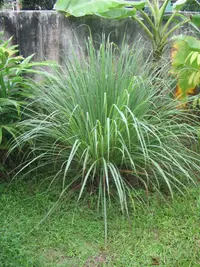
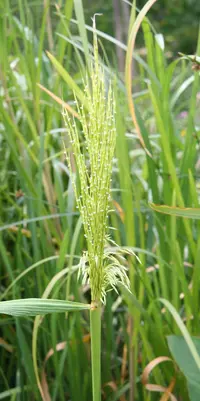
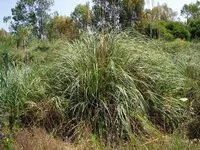
Annual wildrice (Zizania aquatica) is an aquatic grass native to shallow lakes, rivers, and wetlands in North America. It grows as tall, upright stems emerging from the water surface. The plant produces loose, airy flower and seed heads that sway above the water, giving it a distinctive, wild appearance. Seeds are valued as a grain for wildlife and, in some regions, for people. Z. aquatica prefers full sun, constantly wet or shallowly flooded conditions, and soft, silty or mucky substrates. Its need for stable water levels and moving or well-oxygenated water makes it more challenging than typical garden plants, so understanding how to care for annual wildrice is important for success.

Main Plant Requirements

Care Difficulty

Moderate Care

Light Preference

Full Sun

Water Requirements

Aquatic

Temperature Preference

Cool Climate

Hardiness Zone

4–9

Soil Texture

Loamy, Silty, Organic-rich

Soil pH

Acidic (5.5–6.5), Slightly acidic (6.5–7.0)

Soil Drainage

Waterlogged tolerant

Fertilization

Minimal (feed rarely)

Get Personalized Care Plan

Scan your plant to receive care tips personalized for your specific plant

Available on iOS and Android

How to Care for the annual wildrice

This aquatic grass thrives in full sun but tolerates light shade, especially in warmer regions.

  • Provide 6–8 hours of direct sun daily; morning sun with light afternoon shade helps prevent leaf scorch in hot climates.
  • Allow partial shade (3–4 hours sun) in the South; in cooler climates, aim for all-day sun to support strong stem growth and seed production in annual wildrice.
  • Watch plant height and density: weak, floppy, pale stems indicate too little light, while crisped leaf tips suggest excessive, intense midday sun.

This species is adapted to shallow water and saturated soils rather than typical garden watering cycles.

  • Maintain consistently flooded or saturated conditions during the growing season, with water standing 10–50 cm above the soil in natural or constructed ponds.
  • Use heavy, low-drainage soil; avoid fast-draining substrates that let the root zone dry, which leads to stunted growth and browning leaf tips.
  • Reduce water depth gradually at the end of the season; foul smell, black roots, or collapsing stems can indicate stagnant, oxygen-poor conditions rather than too little water for Zizania aquatica.

This warm-season aquatic grass needs mild to warm conditions and is sensitive to hard frost.

  • Aim for growing-season temperatures of 70–86°F (21–30°C) for fastest germination and vegetative growth.
  • Plants tolerate brief drops to about 50°F (10°C) but prolonged exposure below 41°F (5°C) slows growth and can damage young seedlings.
  • Avoid extremes above 95°F (35°C) when possible; high water temperatures combined with heat waves can stress plants, so slightly deeper water helps buffer temperature swings.

This aquatic grass needs constant saturation, but air humidity is only moderately important.

  • Prefers 50–70% ambient humidity, provided roots and lower stems stay submerged or in standing water.
  • Tolerates drier household air if the water level is stable and foliage is not exposed to strong, drying wind.
  • Low humidity stress shows as browning leaf tips and edges; place annual wildrice near other plants or a humid tray if air is very dry.

This species grows best in permanently wet, organic-rich, fine-textured substrates rather than typical potting soil.

  • Use heavy loam or clay-loam with high organic matter, such as 2 parts garden loam, 1 part clay soil, and 1 part well-rotted compost.
  • Keep soil waterlogged with no drainage; Zizania aquatica is adapted to anaerobic, flooded conditions and declines in freely draining mixes.
  • Aim for slightly acidic to neutral pH around 6.0–7.0; avoid strongly alkaline substrates that can limit nutrient uptake.
  • Do not use very sandy, gravelly, or peat-perlite blends that drain quickly and cannot maintain a stable, flooded root zone.

This species can be grown in large containers if they function like small, stable ponds.

  • Select a wide, heavy container 30–45 cm deep so the water column supports upright stems and reduces tipping in wind.
  • Use a solid, non-porous tub without drainage holes to maintain a permanent 10–20 cm water layer over the soil surface.
  • Place the container where its weight when filled with water is fully supported and cannot shift, especially on balconies or decks.

Zizania aquatica usually grows well in nutrient-rich, muddy substrates and needs only light supplemental feeding in cultivation.

  • Use a balanced, water-soluble fertilizer (for example 10-10-10) at 1/4–1/2 strength if growth appears pale or weak.
  • Apply every 4–6 weeks during the active growing season while water temperatures are warm.
  • Avoid fertilizing in late fall and winter when growth slows or plants die back.
  • Organic amendments such as well-aged compost can be mixed into the planting muck before flooding for growing annual wildrice.

Pruning Zizania aquatica is minimal and focuses on removing declining material rather than shaping.

  • Cut back dead, broken, or diseased stems at water level during late summer or fall using clean, sharp shears.
  • Thin out badly crowded or lodging stems to improve water movement, light penetration, and air flow.
  • Remove spent flowering panicles if seed harvest is not desired, which can limit unwanted self-seeding.
  • Dispose of removed material away from ponds to reduce pest, disease, and nutrient buildup.

Transplanting Zizania aquatica focuses on establishing young plants into stable, shallow-water sites rather than long-term container culture.

  • Move seedlings or young clumps outdoors in late spring once water is consistently warm and frost risk has passed.
  • Transplant when plants show crowded roots in cell trays or small pots, or when growth stalls despite good conditions.
  • Set plants into 5–20 cm of still or slow-moving water, firming roots into heavy loam or clay to reduce movement and stress.
  • Keep water depth and level stable for at least 1–2 weeks after transplanting to allow roots to anchor securely.

Zizania aquatica is most commonly propagated from seeds that mature in late summer to early fall.

  • Collect ripe, dark seeds and store moist and cool; they lose viability if dried completely.
  • Sow seeds in shallow trays of heavy loam submerged under 2–10 cm of water in late fall or early spring.
  • Provide full sun and stable water levels; germination often improves after a natural cold period called stratification.
  • Thin seedlings once they reach 10–15 cm tall, then transplant to final sites with gentle handling of roots.

In its native range, Zizania aquatica behaves as an annual, so individual plants die back after frost and need little winter care.

  • Allow stems to senesce and die after hard frost; leave some seed heads for natural reseeding if desired.
  • In cold climates, leave root zones undisturbed so decaying material supports soil structure and wildlife.
  • For container cultures in very cold regions, sink containers below ice line in ponds or store seed for re-sowing next season.

Care Tips

Sturdy Water Containers

Use dark, rigid tubs or stock tanks at least 30–40 cm deep to reduce algae growth, keep water temperatures more stable, and prevent roots from being disturbed by wind or animals when growing annual wildrice.

Shallow Flood Management

Maintain water just 5–15 cm above the soil line during early growth, then gradually deepen to 20–30 cm as plants establish to limit weed competition while still allowing strong stem development.

Prevent Lodging With Windbreaks

Install temporary mesh fencing or plant a low windbreak on the upwind side of beds to reduce stem bending or lodging in exposed sites, especially in late season when plants are tall and top-heavy.

Timed Seed Harvesting

Check seed heads daily as they mature and gently shake panicles over a clean container or tarp in the early morning, repeating over several days since the grains shatter and ripen unevenly.

Rotate And Sanitize Sites

Rotate planting areas at least every 2–3 years and remove old stems and leaf debris from ponds or tubs at the end of the season to reduce carryover of fungal spores and insect pests into the next crop.

Common Pests and Diseases

Wild rice smut

This disease produces dark, swollen, spore-filled grains that replace normal kernels on the panicle. Symptoms include distorted grains and reduced seed quality and yield.

Solution

Remove and destroy heavily infected panicles to limit spread, and avoid saving seed from smutted plants. Use clean, disease-free seed and rotate planting areas in naturalized ponds or paddies when possible, as outlined in Zizania aquatica care instructions for production settings.

Wild rice stem borer

This pest is the larval stage of a moth that tunnels inside stems, causing weakening, lodging, and dead or stunted tillers. Symptoms include small entry holes, frass, and yellowing or broken stems above the feeding site.

Solution

Hand-remove and destroy visibly infested stems where practical and encourage natural enemies by maintaining diverse shoreline vegetation. In managed beds, adjust water levels to discourage egg-laying on exposed stems and remove plant debris after harvest to reduce overwintering sites.

Rice worm (panicle feeder)

These insects feed on developing panicles, chewing grains and causing incomplete grain fill and shattering. Symptoms include missing or partially eaten kernels and uneven maturity in the panicle.

Solution

Monitor panicles during grain development and remove heavily damaged panicles to reduce the local population. In larger plantings, maintain good water coverage during peak egg-laying periods and reduce nearby dense weeds that can host the larvae.

Wild rice leaf spot

This disease causes small, tan to brown lesions on leaves that can merge under humid conditions, reducing photosynthetic area. Symptoms include premature yellowing and, in severe cases, drying of leaf tips and edges.

Solution

Improve water movement and reduce crowding so leaves dry faster after rain or flooding. Remove and discard severely infected leaves and crop debris at the end of the season to lower the amount of fungal inoculum for the next year.

Aphids

These insects cluster on young stems and leaf sheaths, sucking sap and excreting sticky honeydew that can lead to sooty mold. Symptoms include curled or distorted young tissue and presence of ants tending the colonies.

Solution

Wash colonies off with a firm stream of water on accessible plants and pinch off heavily infested young shoots. Encourage natural predators like lady beetles and avoid excess nitrogen fertilization, which promotes soft, aphid-prone growth.

Interesting Facts

North American wild rice

This species is one of the few native North American grains traditionally harvested as a staple food, especially by Indigenous communities around the Great Lakes and along large rivers.

Annual lifecycle strategy

Unlike some related wild rice species, it completes its entire life cycle in a single growing season, depending on heavy seed production each year to maintain populations in wetlands.

Floating-leaf seedlings

Early seedlings often produce floating leaves that lie on the water surface, an adaptation that helps young plants capture light in turbid, shallow lakes and slow rivers.

Botan icon

Did you know?

Pollen from this species is released from tall, emergent flower spikes and can travel considerable distances over open water, so natural stands in wetlands often show extensive genetic mixing between distant patches.

FAQs about annual wildrice

The grain is edible and has been a traditional food, usually cooked like rice. Only harvest from clean, unpolluted water, since the plant can accumulate contaminants. Cooking thoroughly improves digestibility and reduces any potential microbial risk.

Grow Healthy Plants with Botan Care

Keep your plants happy and healthy with plant identification, disease detection, and easy care guidance.

Botan plant care app — identify plants on mobile

Explore More Plants