Sausage daisy Care (Baculellum articulatum)

Sausage daisy

About Sausage daisy

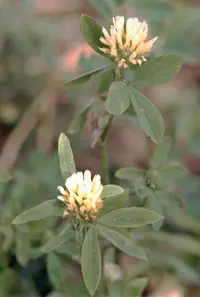
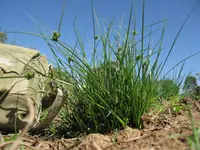
Sausage daisy (Baculellum articulatum) is a small, clump-forming perennial from arid and semi-arid regions of southern Africa. It belongs to the daisy family and is grown mainly as an ornamental curiosity. The plant forms low, jointed, sausage-like stems with sparse narrow leaves and small, daisy-shaped flowers, usually white or pale yellow, held just above the foliage. Its compact size and unusual stem shape make it suitable for rock gardens, dry borders, and container displays. Baculellum articulatum prefers bright light, very well-drained, sandy or gritty soil, and relatively dry conditions, which generally makes it easier to care for Sausage daisy in low-rainfall or indoor settings with controlled watering.

Main Plant Requirements

Care Difficulty

Moderate Care

Light Preference

Partial Sun

Water Requirements

Moderate Water

Temperature Preference

Warm Climate

Hardiness Zone

Unknown

Soil Texture

Sandy, Loamy

Soil pH

Slightly acidic (6.5–7.0)

Soil Drainage

Well-drained

Fertilization

Minimal (feed rarely)

Get Personalized Care Plan

Scan your plant to receive care tips personalized for your specific plant

Available on iOS and Android

How to Care for the Sausage daisy

Baculellum articulatum prefers bright outdoor conditions with several hours of direct sun for compact, floriferous growth.

  • Provide 4–6 hours of direct sun daily, ideally gentle morning sun with light or filtered sun in early afternoon to reduce stress in hot climates.
  • Allow light partial shade during the hottest midday hours, especially in zones where summer highs exceed 90°F (32°C), to prevent leaf scorch and washed-out flower color.
  • If stems stretch, flower numbers drop, or plants lean toward windows or paths, light is insufficient; move the Sausage daisy to a more open, unobstructed site.

This species favors moderately dry conditions and is sensitive to poor drainage.

  • Water only when the top 3–5 cm of soil are dry; in most outdoor beds this means waiting for soil to crumble easily in the hand rather than feel cool and compacted.
  • Ensure sharply draining soil or raised beds so water does not pool; yellowing, soft stems and a sour smell indicate overwatering and potential root rot.
  • In hotter months increase checks rather than frequency, while in cooler seasons extend drying periods; crisp leaves, drooping in dry soil, and slow recovery after watering indicate underwatering for Baculellum articulatum.

This plant performs best in mild, dry climates with moderate summer heat and frost-free winters.

  • Aim for active growth in 65–80°F (18–27°C); growth slows outside this range, but short warm spells are usually tolerated if soil stays slightly dry.
  • Protect plants when temperatures drop near 30–32°F (-1–0°C); repeated or hard frosts can damage stems and buds, especially in exposed, windy sites.
  • During heat above 90°F (32°C), provide afternoon shade and avoid overhead watering in full sun to limit stress, leaf scorch, and fungal issues on tender growth.

This species handles a wide humidity range but benefits from slightly moist air in very dry homes.

  • Aim for 40–60% humidity; typical indoor levels suit Sausage daisy without special equipment.
  • Tolerates brief drops near 30%, but leaf tips may brown or curl if air stays too dry.
  • Increase humidity locally with a pebble tray under the pot or by grouping plants, rather than misting foliage.

This plant prefers light, free-draining soil that dries quickly after watering.

  • Use a sandy or gritty loam with plenty of mineral content and low to moderate organic matter to mimic its native habitat.
  • Ensure rapid drainage by mixing roughly 40% coarse sand or fine gravel with 40% standard potting mix and 20% perlite.
  • Keep pH slightly acidic to neutral, around 6.0–7.2, as Baculellum articulatum tolerates a modest range without issue.
  • Avoid compacted, clay-heavy, or water-retentive mixes, which promote root rot and reduce essential root aeration.

This species is suitable for container growing when drainage is prioritized.

  • Choose a wide, shallow pot to match its relatively shallow root system and limit water retention at depth.
  • Select a porous material such as unglazed terracotta to let excess moisture evaporate faster in cool or humid climates.
  • Elevate the container slightly on pot feet or bricks so drainage holes stay clear and water cannot pool under the base.

Baculellum articulatum benefits from light, measured feeding to support flowering without forcing lush, weak growth.

  • Use a balanced liquid fertilizer (around 10-10-10) at 1/2 strength every 4–6 weeks during the active growing season.
  • Apply slow-release granules or a thin layer of compost once in spring for background nutrition.
  • Skip feeding in winter or dormancy to avoid soft, leggy growth and salt buildup.
  • Water before and after feeding Sausage daisy to reduce root burn and improve nutrient uptake.

Pruning Baculellum articulatum is mainly about keeping the plant tidy and encouraging compact, floriferous growth.

  • Best time is late winter or early spring before strong new growth starts.
  • Use clean, sharp scissors or hand pruners to remove dead, diseased, or storm-damaged stems.
  • Thin out crowded shoots to improve air flow and light penetration, which supports healthier foliage and flowering.
  • Lightly shorten overly long stems to maintain a neat mound and prevent the plant from becoming woody at the base.

This species is usually grown in open ground, so focus on careful transplanting rather than frequent repotting.

  • Transplant when roots densely fill the planting hole area or when growth becomes noticeably slow.
  • Choose early spring or early fall, avoiding extreme heat or frost, to reduce transplant shock.
  • Lift with a wide root ball, disturb roots as little as possible, and set at the same soil depth in the new site.
  • Water thoroughly after transplanting, then keep soil evenly moist for 1–2 weeks to help roots re-establish.

Baculellum articulatum is commonly propagated by seeds and sometimes by softwood cuttings under controlled conditions.

  • Sow fresh seed in spring in a well-drained, gritty mix and keep lightly moist at 65–75°F.
  • Provide bright, indirect light for germination and protect trays from heavy rain or drying wind.
  • For cuttings, take non-flowering tips in late spring, use rooting hormone, and insert into a free-draining medium.
  • Maintain high humidity and gentle bottom warmth until roots form, then harden off gradually before planting out.

In suitable climates this plant has moderate cold tolerance and usually needs only light winter attention.

  • In regions with freezing winters, apply a 5–8 cm mulch around the root zone, keeping it off stems.
  • Container plants in colder areas should be moved to a bright, frost-free space before hard freezes.
  • Avoid waterlogged soil in winter, as cold, saturated conditions increase root rot risk for growing Sausage daisy.

Care Tips

Pinch For Bushiness

Regularly pinch back soft stem tips during active growth to encourage a denser mound of shoots and more flowering stems rather than a few lanky branches.

Staggered Deadheading

Remove spent flower heads weekly rather than all at once so the plant can keep allocating energy to new buds while a few older blooms still attract pollinators.

Low Support Grid

In windy or exposed sites, place a low, open support grid or ring around young plants so stems can grow through it and stay upright without looking tied or constrained.

Dry-Site Weed Control

Use a thin, open-textured mineral mulch like fine gravel around the base to suppress weeds and keep the crown dry, which suits the plant’s preference for well-aerated, low-humidity soil surfaces when caring for Sausage daisy.

Targeted Pest Checks

Inspect the undersides of stems and leaf joints every 1–2 weeks in warm weather and wash off early aphid colonies with a firm water spray before resorting to any chemical controls.

Common Pests and Diseases

Aphids

These insects cluster on tender stems and flower stalks, sucking sap and causing distortion, yellowing, and sticky honeydew on Baculellum articulatum. Ant activity around the plants often increases when colonies are present.

Solution

Dislodge colonies by spraying the plant with a firm stream of water, then spot-treat remaining clusters with insecticidal soap or a ready-to-use neem oil spray, covering undersides of stems and flower bases. Reduce excess nitrogen fertilization, monitor new growth weekly, and repeat treatments every 5–7 days until populations collapse.

Leaf miners

These insects create pale, winding tunnels inside the narrow leaves, which can lead to browning and premature leaf drop when damage is heavy. Symptoms include translucent blotches that follow serpentine lines along the leaf blade.

Solution

Remove and discard mined leaves as soon as tunnels are visible to break the life cycle. For ongoing pressure, use yellow sticky traps to monitor adults and apply a systemic insecticide labeled for ornamental leaf miners according to directions, ensuring soil moisture is moderate to support uptake.

Powdery mildew

This disease causes a white, powdery coating on leaves and young stems, which can stunt growth and reduce flowering, especially in dense outdoor plantings. Symptoms include dull, chlorotic foliage that may curl or dry at the edges over time.

Solution

Improve air circulation by thinning crowded stems and avoiding overhead watering in the evening. At first signs, treat with a sulfur, potassium bicarbonate, or neem-based fungicide labeled for powdery mildew, applying in cool, dry conditions and repeating at intervals recommended on the label.

Botrytis blight

This disease produces soft, water-soaked spots on leaves and flower stalks that quickly become covered with gray, fuzzy mold in humid or cool, wet weather. Symptoms include collapsing shoots and blemished flowers that fail to open properly.

Solution

Remove and discard all affected tissue promptly and avoid wetting the foliage, especially late in the day. Space plants so they dry quickly, clear plant debris from the soil surface, and use a labeled fungicide for Botrytis if wet, cool conditions persist and new lesions continue to appear.

Spider mites

These pests feed on the fine, jointed stems and leaves, causing stippling, bronzing, and a dull, dusty appearance, often with fine webbing between stems. This pest is more common when Baculellum articulatum is grown in hot, dry conditions or indoors with low humidity.

Solution

Rinse stems thoroughly with lukewarm water, focusing on crevices where webbing collects, and repeat every few days to reduce populations. For persistent infestations, use insecticidal soap or horticultural oil, applying carefully to all plant surfaces and adjusting environmental conditions by lowering heat stress and raising humidity where possible.

Interesting Facts

Taxonomic identity clarified

Baculellum articulatum is the accepted name for a species formerly treated in the large genus Senecio, and it now sits in the tribe Senecioneae within the daisy family Asteraceae based on detailed morphological and molecular studies.

Distinct segmented stems

The species name articulatum refers to its visibly jointed or segmented stems, a diagnostic feature that helps botanists distinguish it from closely related daisies in its native range.

FAQs about Sausage daisy

Lack of flowers usually comes from insufficient light, depleted nutrients, or old, overcrowded stems. Provide strong sun, use a balanced, low-nitrogen fertilizer in the growing season, and trim back straggly growth to stimulate new flowering shoots.

Grow Healthy Plants with Botan Care

Keep your plants happy and healthy with plant identification, disease detection, and easy care guidance.

Botan plant care app — identify plants on mobile

Explore More Plants