barbas de indio Care (Andropogon bicornis)

barbas de indio

About barbas de indio

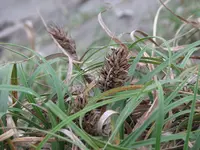
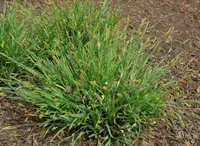
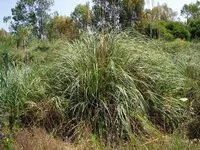
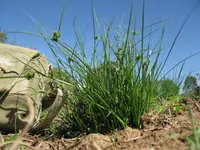
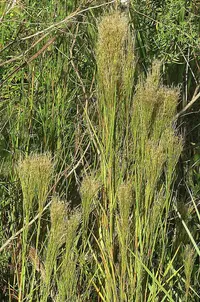
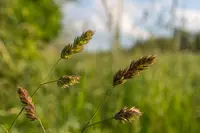
Andropogon bicornis, commonly called barbas de indio, is a perennial bunchgrass native to South America that often grows in open fields, roadsides, and disturbed areas. It forms dense clumps with upright, narrow leaves and tall, airy seed heads that move easily in the wind.

This grass is adapted to poor, dry soils and seasonal drought, which makes it relatively low-maintenance once established. It prefers sunny, open sites and tolerates a range of well-drained soils. For anyone learning how to care for barbas de indio, its main needs are good light, space to form clumps, and avoidance of waterlogged conditions.

Main Plant Requirements

Care Difficulty

Easy Care

Light Preference

Full Sun

Water Requirements

Low Water

Temperature Preference

Warm Climate

Hardiness Zone

9–11

Soil Texture

Sandy, Loamy, Clay

Soil pH

Acidic (5.5–6.5), Slightly acidic (6.5–7.0)

Soil Drainage

Well-drained

Fertilization

Minimal (feed rarely)

Get Personalized Care Plan

Scan your plant to receive care tips personalized for your specific plant

Available on iOS and Android

How to Care for the barbas de indio

This warm-season grass prefers open, sunny sites to develop dense, upright clumps.

  • Provide full sun for 6–8 hours per day; barbas de indio remains more compact, with stronger stems and better autumn color in unobstructed light.
  • Tolerates light partial shade, especially with morning sun and light afternoon shade, but foliage becomes looser and flowering may decline.
  • Avoid planting where tall structures cast deep shade in summer, as prolonged low light reduces vigor, while reflected heat from pavement can dry soil faster.

This species is drought-tolerant once established and prefers soil that dries slightly between waterings.

  • In the first growing season, water when the top 3–5 cm of soil are dry, then reduce frequency as roots deepen and growth stabilizes.
  • Ensure well-drained, sandy or loamy soil; standing water, a sour smell, or yellowing, limp lower leaves indicate overwatering or poor drainage.
  • During hot, dry periods, watch for rolled or drooping blades and slow growth as cues to provide a deep soak rather than frequent light sprinkling.

This warm-season grass thrives in hot summers and tolerates moderate cold once established.

  • Optimal growth occurs around 75–90°F (24–32°C), when soil is warm and days are long, supporting strong shoot and root development.
  • Andropogon bicornis usually survives down to about 20–25°F (-6 to -4°C); foliage may brown, but crowns often resprout in spring if soil is well-drained.
  • Tolerates heat up to 95–100°F (35–38°C) if soil moisture is not extreme; prolonged hard frosts or freeze-thaw in waterlogged soil increase winter loss risk.

This grass is adapted to outdoor conditions and does not have strict humidity requirements.

This species prefers lean, well-draining mineral soils that do not stay wet for long.

  • Use sandy or sandy-loam soil with low to moderate organic matter to mimic its natural habitat.
  • Ensure very sharp drainage; mix in coarse sand or fine gravel at 30–40% of the volume for heavy native soils.
  • Keep pH slightly acidic to neutral (pH 6.0–7.0), avoiding strongly alkaline or saline conditions that reduce vigor.
  • Avoid compacted, waterlogged, or peat-heavy mixes, which limit root aeration and increase rot risk for Andropogon bicornis.

This species can be grown in containers, mainly for ornamental or controlled landscape use rather than long-term culture.

  • Choose a deep, heavy pot that resists tipping, as the tall foliage becomes top-heavy in wind.
  • Select a container material with moderate moisture loss, such as thick-walled terracotta or concrete, to prevent root-zone overheating.
  • Raise the pot on feet or blocks so drainage holes stay clear and water exits rapidly after rain or irrigation, reducing crown rot risk.

This tough native grass, often called barbas de indio, needs only light feeding in most soils.

  • If growth is very weak or soil is poor, apply a balanced slow-release fertilizer (for example 10-10-10) in early spring.
  • Use 1/2-strength rate compared to lawn products, broadcasting around the clump and watering in well.
  • Avoid additional feeding after midsummer so new growth can harden before cold weather.
  • Skip fertilizing during winter dormancy and whenever plants grow in fertile, undisturbed ground.

Pruning Andropogon bicornis is simple and mainly keeps the clump tidy and safe.

  • Cut back old, straw-colored foliage to 5–10 cm above ground in late winter or very early spring before new shoots emerge.
  • Remove dead, damaged, or lodging stems during the season to reduce flammability and maintain a dense upright habit.
  • Thin out a few crowded culms at the base every 2–3 years to let light and air reach the center of the clump.
  • Use sharp hand pruners or hedge shears and wear gloves, as the dry blades can be coarse on skin.

This species is usually grown in the ground; focus on dividing and transplanting mature clumps.

  • Transplant or divide in early spring or early fall when temperatures are mild and soil is workable.
  • Look for crowded clumps with dead centers or slow growth, or containers with roots circling and pushing up from drainage holes.
  • Lift the clump, split it into sections with a sharp spade or knife, keeping several healthy shoots and roots per division.
  • Replant divisions at the original depth, water thoroughly, and keep soil evenly moist for 2–3 weeks to limit transplant shock.

Andropogon bicornis is most often propagated by division, with seed used when increasing numbers for restoration or meadow plantings.

  • Divide established clumps in early spring or early fall, when soil is moist and temperatures moderate.
  • Cut the root mass into firm sections, each with multiple buds and roots, then replant promptly at the same depth.
  • For seed, sow fresh or stored seed on the soil surface or very shallowly, in trays or direct in place, in spring.
  • Provide full sun, consistent moisture, and free-draining soil to support rooting or germination and early establishment.

In mild to moderately cold climates, this warm-season grass is generally hardy and needs minimal winter care.

  • Tolerates light frosts once established, but foliage will brown and enter dormancy in cold weather.
  • In colder zones, leave dry stems standing over winter to shield crowns, then cut back in late winter.
  • Apply a 5–7 cm mulch layer around the base in fall in exposed or marginally hardy sites, keeping mulch off the crowns.

Care Tips

Wind exposure planning

Site clumps where they receive some natural wind, since moderate air movement helps strengthen stems and reduce fungal issues in dense plantings.

Staggered rejuvenation

In established groups, cut back only one-third to one-half of the clumps at ground level each year in late winter to keep the stand vigorous while maintaining visual cover and habitat.

Self-seeding control

If you do not want the grass to spread aggressively, remove or cut off seed heads before they fully dry and shatter, especially along property edges and near natural areas.

Firewise placement

Because the plant forms dry, combustible foliage in winter, avoid planting large continuous drifts close to buildings or place a nonflammable buffer such as gravel or paving between the stand and structures.

Habitat-friendly management

Delay full cutback of old foliage until late winter so seed heads and dry clumps can provide shelter and food for wildlife, which aligns well with a low-input approach to caring for barbas de indio.

Common Pests and Diseases

Stem-boring caterpillars

This pest tunnels inside stems, causing weakened culms, dead tillers, and lodged or broken stalks in dense clumps. Symptoms include frass (sawdust-like droppings) and hollow, easily crushed stems.

Solution

Cut and remove affected stems at the base and dispose of them away from the site to break the life cycle. Encourage natural predators such as birds, avoid heavy nitrogen fertilization that promotes excessively lush growth, and use targeted Bacillus thuringiensis (Bt) sprays on young caterpillars if damage becomes extensive.

Grasshoppers

These insects chew leaves and seed heads, leaving irregular holes and ragged edges, especially in hot, dry weather. Severe feeding can thin foliage and reduce ornamental value or seed production.

Solution

Hand-pick larger grasshoppers where practical and encourage habitat for natural predators like birds and predatory insects. In larger stands, use floating row covers on young plantings, mow or trim surrounding weeds that harbor nymphs, and consider spot treatment with a labeled bait product if populations stay high.

Leaf spot fungus

This disease produces small brown to purplish spots on foliage that may merge into larger lesions, causing early leaf yellowing and drying. Symptoms include faster decline of older leaves, especially in crowded or humid plantings.

Solution

Remove and discard heavily spotted or dead leaves and avoid overhead irrigation that keeps foliage wet for long periods. Thin or divide dense clumps to improve airflow, keep surrounding vegetation trimmed, and if needed apply a grass-safe fungicide according to label directions during extended wet spells.

Rust

This disease forms orange to brown powdery pustules on leaf surfaces, which can rub off on fingers and clothing. Symptoms include premature leaf yellowing, reduced vigor, and an overall dull appearance of the clump.

Solution

Trim and remove the most affected leaves or entire tops at season’s end to reduce spore load, and dispose of debris rather than composting. Improve spacing and air movement, avoid prolonged leaf wetness, and use a labeled systemic fungicide if rust recurs and ornamental quality is important for Andropogon bicornis plant care.

Interesting Facts

Wind-dispersed seed plumes

This species produces distinctive silky seed plumes that act like parachutes, allowing its small caryopses (grass fruits) to travel long distances on the wind and rapidly colonize disturbed ground.

Fire-adapted grassland species

In its native South American range, this bunchgrass often occurs in areas with periodic burning, and its basal buds are protected near the soil surface, allowing rapid regrowth after fire.

Refuge for insects and spiders

The dense, tufted clumps and persistent dry foliage create a microhabitat that shelters insects, spiders, and other small arthropods, especially during dry seasons.

Botan icon

Did you know?

In parts of southern Brazil, this tall, tufted grass is so characteristic of old fields and roadside vegetation that it is used as an indicator species for abandoned or low-intensity agricultural land in regional vegetation surveys.

FAQs about barbas de indio

This species forms dense clumps and can self-seed, but it usually spreads slowly. In managed gardens it is not typically aggressive. Remove unwanted seedlings and divide clumps if they begin to crowd nearby plants.

Grow Healthy Plants with Botan Care

Keep your plants happy and healthy with plant identification, disease detection, and easy care guidance.

Botan plant care app — identify plants on mobile

Explore More Plants