Allow wind movement
Site plants where they receive some air movement so the clumps flex in the wind, which strengthens the foliage and reduces the risk of lodging or snapping in storms.

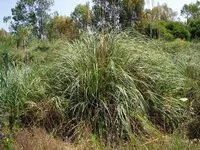
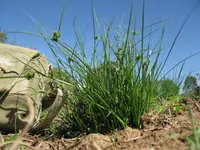
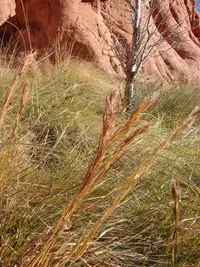
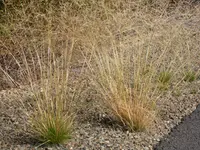
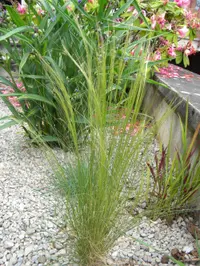
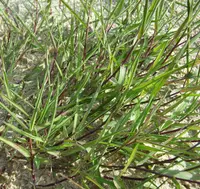
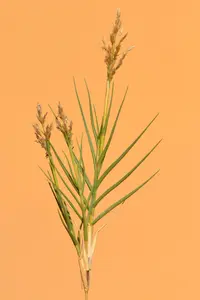
Ampelodesmos mauritanicus, commonly called Mauritanian grass, is a large evergreen ornamental grass valued for its strong, arching clumps and tall, elegant flower plumes. It forms dense fountains of narrow, tough leaves that can add height and movement to coastal, Mediterranean, or dry-style plantings.
This species is native to the western Mediterranean region, where it grows on rocky slopes and poor soils. Once established, it is generally robust and low-maintenance, but it dislikes heavy, waterlogged ground.
Sun-loving and wind-tolerant, it thrives in well-drained soil and suits exposed sites. Basic understanding of how to care for Mauritanian grass helps avoid issues with flopping foliage or weak flowering.

Care Difficulty
Easy Care

Light Preference
Full Sun

Water Requirements
Low Water

Temperature Preference
Warm Climate

Hardiness Zone
8–10

Soil Texture
Sandy, Loamy, Rocky

Soil pH
Slightly acidic (6.5–7.0), Slightly alkaline (7.0–7.5)

Soil Drainage
Well-drained

Fertilization
Minimal (feed rarely)
Scan your plant to receive care tips personalized for your specific plant
Available on iOS and Android
This Mediterranean grass thrives in bright, open conditions with direct sun exposure.
This drought-tolerant grass prefers infrequent, deep watering over frequent light applications.
This warm-temperate grass handles summer heat well but has limited tolerance to hard frost.
This grass tolerates a wide humidity range and rarely needs special humidity management outdoors.
This species prefers sharply drained, mineral soils and dislikes prolonged wet conditions.
This species can be grown in containers, though the plant becomes large and heavy over time.
This drought-tolerant grass needs only light feeding to maintain steady growth in most garden soils.
Pruning helps keep Ampelodesmos mauritanicus tidy and encourages fresh, vigorous foliage.
This grass is usually grown in the ground and only occasionally kept in containers for a few years.
Most gardeners propagate this species by division rather than by seed or cuttings.
Established plants are fairly cold hardy but benefit from basic winter preparation in cooler regions.

Plant Health Check
Not sure what's wrong with your plant? Check your plant's health inside the app.
This grass naturally grows on steep rocky slopes and coastal cliffs around the Mediterranean, where its dense fibrous root system anchors it firmly into shallow, stony soils.
Its long, arching leaves have tough, cutting edges and high silica content, which help reduce grazing by animals and increase resistance to physical damage and wind.
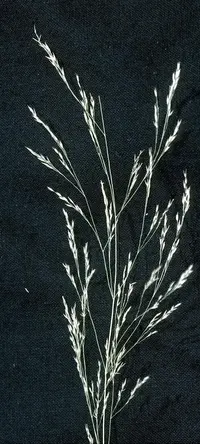
Mature plants produce tall, airy inflorescences that can rise well above the foliage, with thousands of small spikelets that release large quantities of wind-dispersed seed over an extended summer period.

In several regions outside its native range, including parts of western Europe and California, Ampelodesmos mauritanicus has shown invasive behavior, forming dense stands that outcompete local vegetation and alter fire regimes due to its heavy, persistent dry biomass.
Growth is moderately fast in warm conditions, especially during the first 2–3 years while clumps establish. In poor, dry soils it grows more slowly, but once rooted it extends foliage and flowering stems noticeably each season.
Keep your plants happy and healthy with plant identification, disease detection, and easy care guidance.