Divide Aging Clumps
Every 3–4 years, lift and divide congested clumps in early spring, replanting vigorous outer sections at the same depth to maintain dense, healthy growth and prevent die-out in the center.

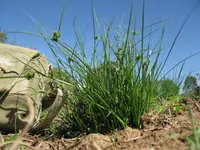
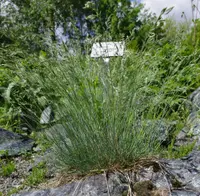
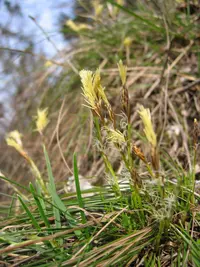
Knob sedge (Carex inversa) is a small, fine-textured sedge that forms low, tufted clumps, often resembling a delicate grass. It typically has narrow, arching green leaves and subtle flower spikes that add a soft, natural look.
This species is native to Australia and New Zealand, where it commonly grows in open, sometimes seasonally damp habitats. Its compact habit and tolerance of a range of conditions make it adaptable in gardens and landscape plantings.
Carex inversa is generally considered undemanding if its need for consistent moisture and reasonably fertile, well-drained soil is met. Understanding how to care for knob sedge starts with providing steady moisture and avoiding very hot, dry, exposed sites.

Care Difficulty
Easy Care

Light Preference
Partial Sun

Water Requirements
Regular Water

Temperature Preference
Cold Hardy

Hardiness Zone
6–9

Soil Texture
Sandy, Loamy, Organic-rich

Soil pH
Acidic (5.5–6.5), Slightly acidic (6.5–7.0)

Soil Drainage
Moist but well-drained

Fertilization
Minimal (feed rarely)
Scan your plant to receive care tips personalized for your specific plant
Available on iOS and Android
Carex inversa prefers bright, gentle light that mimics open woodland or meadow conditions.
Carex inversa grows best in consistently moist, but not waterlogged, soil.
This sedge is a cool-tolerant grass-like plant that handles a wide range of outdoor temperatures.
This sedge handles a wide humidity range but grows best with moderate ambient moisture.
This species prefers consistently moist, well-aerated soil that does not stay waterlogged.
This sedge grows reliably in containers when moisture and stability are managed carefully.
Carex inversa, or knob sedge, usually needs modest feeding when grown in lean or naturalistic soils.
Carex inversa benefits from simple, light pruning to keep clumps tidy and vigorous.
This sedge is most often grown in the ground, with transplanting used to manage spread or refresh clumps.
Carex inversa is most commonly propagated by division, which preserves the parent plant’s traits.
This sedge is generally cold hardy in temperate climates and needs only minimal winter care in the ground.

Plant Health Check
Not sure what's wrong with your plant? Check your plant's health inside the app.
This sedge is naturally distributed in New Zealand and parts of Australia, where it commonly occupies damp grasslands, open woodland edges, and seasonally wet areas rather than deep shade forests.
The species forms dense, low mounds of very fine, arching leaves, creating a soft-textured sward that can visually resemble a delicate grass but remains evergreen in mild climates.
In the wild, it is often found on periodically waterlogged but not permanently submerged soils, showing good tolerance of fluctuating moisture while still preferring consistently moist, well-drained substrates.
This species spreads steadily by short rhizomes and self-seeding, forming low, creeping clumps. It is not usually a problem in managed gardens, but in ideal, moist conditions it can gradually occupy open ground if not edged or divided.
Keep your plants happy and healthy with plant identification, disease detection, and easy care guidance.