foxtail barley Care (Hordeum jubatum)

Also known as: squirreltail, squirrel tail grass, Squirreltail Barley
foxtail barley

About foxtail barley

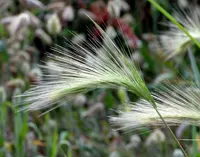
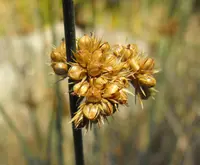
Foxtail barley (Hordeum jubatum) is a cool-season ornamental grass known for its soft, brush-like seed heads that shift from green to pinkish or buff tones. It forms loose clumps and naturalizes easily, often giving a soft, hazy look in mass plantings.

This species is native to North America and is commonly seen along roadsides, open fields, and disturbed soils. It is drought-tolerant once established and adapts to poor, dry, or salty soils, which makes it easy to grow but also potentially invasive in some regions.

For those who want to care for foxtail barley, it generally prefers full sun, low to moderate moisture, and well-drained soil with minimal fertilization.

Main Plant Requirements

Care Difficulty

Easy Care

Light Preference

Full Sun

Water Requirements

Low Water

Temperature Preference

Cold Hardy

Hardiness Zone

3–9

Soil Texture

Sandy, Loamy, Rocky

Soil pH

Slightly acidic (6.5–7.0), Slightly alkaline (7.0–7.5)

Soil Drainage

Well-drained

Fertilization

Minimal (feed rarely)

Get Personalized Care Plan

Scan your plant to receive care tips personalized for your specific plant

Available on iOS and Android

How to Care for the foxtail barley

This ornamental grass prefers bright, open conditions with several hours of direct sun each day.

  • Provide 6–8 hours of direct sunlight, ideally with morning sun and light afternoon exposure; it tolerates light partial shade but becomes looser and less showy.
  • In regions with very hot summers, protect foxtail barley from intense late-afternoon sun using neighboring plants or light shade to reduce leaf tip scorch.
  • Plant in an unshaded spot for best flowering; in fall and winter, avoid dense shade from buildings or evergreen trees that can weaken growth over time.

This species prefers moderately dry, free-draining conditions and is sensitive to prolonged wet soil.

  • Water established Hordeum jubatum only when the top 3–5 cm of soil feel dry and the foliage starts to look slightly less upright, then water deeply once.
  • Use sharply draining soil or a slope so excess water runs off; standing water or heavy clay that stays wet leads to root rot and yellowing leaves.
  • Reduce watering in cool seasons, especially fall and winter, as slow growth uses little moisture and overly wet soil encourages fungal problems and lodging.

This cool-season grass thrives in temperate conditions and tolerates a wide range of outdoor temperatures.

  • Best growth occurs around 50–70°F (10–21°C), especially in spring and early summer when days are cool to mild and nights are not too warm.
  • Mature plants tolerate cold down to about -20°F (-29°C) when hardened, but young seedlings are more sensitive to sudden frost and benefit from light protection.
  • In hot climates above 85–90°F (29–32°C), growth slows and foliage may brown early, so use some afternoon shade and avoid heat-reflective surfaces that raise canopy temperature.

Humidity is not a critical factor for Hordeum jubatum, which is adapted to dry, open habitats.

Hordeum jubatum thrives in lean, well-drained mineral soils that do not stay wet.

  • Use sandy or gravelly loam with low to moderate organic matter to mimic natural prairie or roadside conditions.
  • Ensure rapid drainage by mixing coarse sand or fine grit at 30–50% of the volume, especially in heavy soils.
  • Aim for slightly alkaline to neutral pH around 7.0–8.0, avoiding strongly acidic mixes that weaken growth.
  • Avoid compacted, clay-heavy, or waterlogged ground, which promotes root rot and reduces plant longevity.

This species can be grown in containers if drainage and stability are managed carefully.

  • Choose a wide, low to medium-depth container so fibrous roots can spread and the tufted foliage stays stable in wind.
  • Use a gritty mix of standard potting medium with 30–40% coarse sand or fine gravel to shed water quickly.
  • Select heavier materials such as ceramic or concrete pots to prevent lightweight, top-tufted clumps from tipping over.

This grass is adapted to low-fertility soils, so foxtail barley usually needs no added fertilizer.

Hordeum jubatum benefits from light annual pruning to keep clumps tidy and support fresh growth.

  • Cut back flowering stems to 5–10 cm above ground in late winter or early spring before new shoots emerge.
  • Shear off spent, tattered, or lodging stems with clean hand pruners or sharp shears to maintain a neat form.
  • Remove any dead, diseased, or badly damaged foliage at once to reduce fungal issues and improve air flow.
  • Avoid cutting into fresh green growth during the main season to preserve its ornamental seed heads.

This species is usually grown in the ground, so focus on careful transplanting rather than frequent repotting.

  • Transplant young plants in early spring or early fall, when temperatures are mild and soil stays evenly moist.
  • Move clumps only when growth slows, plants crowd each other, or roots circle a container and drain poorly.
  • Lift with a generous root ball, keep roots shaded, and replant at the same depth into well-drained soil.
  • Water thoroughly after transplanting, then keep soil lightly moist for 1–2 weeks to limit transplant shock.

Hordeum jubatum is most often propagated from seed and can self-sow under suitable conditions.

  • Sow fresh seeds in fall outdoors or in early spring after frost, as natural chilling improves germination.
  • Broadcast seeds thinly over bare, raked soil and press in lightly; do not bury deeply, since light aids sprouting.
  • Keep the top 0.5–1 cm of soil consistently moist until seedlings establish, then reduce watering.
  • If clumps are dense, divide in early spring, replanting small sections promptly into well-drained soil.

This grass is cold hardy in much of its range and usually needs minimal winter care.

  • Tolerates frost and light to moderate freezes once established, especially in well-drained soils.
  • Leave dry seed heads standing over winter for structure, then cut back in late winter if desired.
  • In very cold or exposed sites, add a light mulch layer around crowns, avoiding direct contact with stems.
  • Move container plants to a sheltered, unheated spot to reduce freeze–thaw stress on roots.

Care Tips

Staggered Sowing

Sow small batches 2–3 weeks apart in early spring to extend the ornamental period of the seed heads and quickly fill gaps where earlier plants decline.

Controlled Self‑Seeding

Before seeds fully mature, selectively shake or strip a few seed heads into a bucket and re-sow only where wanted, while cutting back the rest to limit unwanted spread into lawns or beds.

Wind Exposure Management

Place plantings in a position with light but not extreme wind, or use low, open fencing so the decorative plumes move freely without lodging (bending or flattening).

Ornamental Harvesting

Cut seed heads just as they turn from green to blush-pink, then hang upside down in loose bunches in a dry, airy place for long-lasting arrangements while reducing volunteer seedlings on site.

Soil Stabilization Use

On light, sandy slopes, use dense, short rows across the slope to help reduce surface erosion while growing foxtail barley, then remove or thin plants before they become overly invasive.

Common Pests and Diseases

Barley yellow dwarf virus

This disease causes yellowing or reddening of leaves, stunted growth, and reduced vigor, especially in dense plantings. Symptoms include discolored flag leaves and poor seed head development.

Solution

Remove and destroy heavily affected clumps and reduce nearby volunteer grasses that can host the virus. Manage aphid populations, which spread the virus, by encouraging natural predators and, in larger plantings, using selective insecticidal soap or horticultural oil sprays timed early in the season.

Leaf rust

This disease produces small orange to brown pustules on leaves and stems that can merge into larger patches, causing premature leaf drying. Symptoms include reduced plant vigor and a dusty spore coating that rubs off on fingers or clothing.

Solution

Cut back and dispose of infected foliage to reduce spore load and avoid overhead watering that keeps leaves wet. In ornamental settings, improve spacing and airflow, and if the problem is severe and recurring, consider rotating out foxtail barley or replacing heavily affected stands.

Powdery mildew

This disease appears as white to gray, powdery patches on leaves and stems, often starting on lower foliage in crowded or shaded conditions. Symptoms include distorted leaves and reduced ornamental quality of the seed heads.

Solution

Thin or divide dense clumps to increase airflow and sun exposure, and remove the most affected leaves. In persistent cases, apply a sulfur or potassium bicarbonate-based fungicide labeled for ornamental grasses, following label directions carefully as part of broader Hordeum jubatum care instructions.

Aphids

These insects cluster on young stems and leaf bases, sucking sap and causing curling, yellowing, or distorted growth. This pest also excretes sticky honeydew that can support black sooty mold and may vector viruses.

Solution

Spray plants with a firm stream of water to dislodge colonies from stems and seed heads, repeating as needed. For heavier infestations, use insecticidal soap or horticultural oil, targeting the undersides of leaves and tender growth while avoiding applications during high heat.

Grasshoppers

These insects chew irregular holes in leaves and can strip foliage and immature seed heads when populations are high. Symptoms include ragged leaf edges and reduced decorative plume quality.

Solution

Handpick individuals where practical and reduce nearby tall weeds that shelter nymphs. In larger plantings, consider using physical barriers such as fine mesh around young stands, and encourage natural predators like birds by maintaining diverse surrounding vegetation.

Interesting Facts

Native North American grass

Hordeum jubatum is native to much of North America, where it naturally colonizes disturbed, open, and often saline or alkaline soils such as roadsides, prairie edges, and mine spoils.

Showy awned inflorescences

The characteristic fluffy plumes are formed by long, fine awns on the spikelets, which can shimmer with pink, purple, or green tones depending on age and light angle.

Problematic for grazing animals

As the seeds mature, the stiff, barbed awns can lodge in the mouths, eyes, and skin of livestock, so the species is often considered a nuisance in pastures and hay fields.

Botan icon

Did you know?

Hordeum jubatum often behaves as a halophyte, meaning it can tolerate and even thrive in saline soils where many other grasses fail, which is why it commonly appears along salted roads and in coastal or irrigated alkaline landscapes.

FAQs about foxtail barley

This grass self-seeds freely and can spread quickly, especially in open, disturbed soil. Deadhead seed heads before they dry, or limit planting near natural areas, to reduce unwanted spread and volunteer seedlings.

Grow Healthy Plants with Botan Care

Keep your plants happy and healthy with plant identification, disease detection, and easy care guidance.

Botan plant care app — identify plants on mobile

Explore More Plants