Smooth Carpetweed Care (Paramollugo nudicaulis)

Smooth Carpetweed

About Smooth Carpetweed

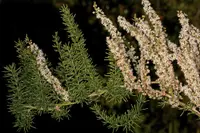
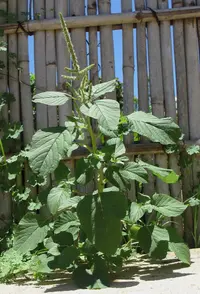
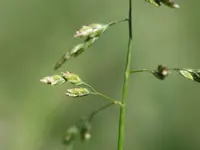
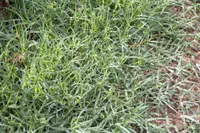
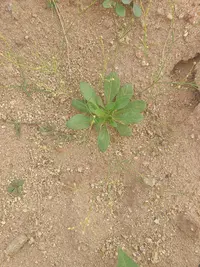
Smooth carpetweed, Paramollugo nudicaulis, is a low-growing annual herb that forms flat, spreading mats close to the ground. Its small, narrow leaves cluster at stem joints, with tiny white flowers appearing sparsely above the foliage.

This species occurs widely in warm and subtropical regions, often in disturbed soils, lawns, paths, and open fields. It tends to establish quickly where the soil is bare or lightly cultivated.

Smooth carpetweed is generally easy to grow because it tolerates poor soils, irregular moisture, and full sun to light shade. Gardeners who want to learn how to care for Smooth Carpetweed mainly need to manage its spread rather than support its survival.

Main Plant Requirements

Care Difficulty

Easy Care

Light Preference

Full Sun

Water Requirements

Low Water

Temperature Preference

Tropical / Frost Sensitive

Hardiness Zone

9–13

Soil Texture

Sandy, Loamy, Rocky

Soil pH

Slightly acidic (6.5–7.0), Neutral (7.0)

Soil Drainage

Well-drained

Fertilization

Minimal (feed rarely)

Get Personalized Care Plan

Scan your plant to receive care tips personalized for your specific plant

Available on iOS and Android

How to Care for the Smooth Carpetweed

This low-growing annual thrives in open, bright conditions typical of disturbed, sunny sites.

  • Provide 6–10 hours of direct sun daily; it handles full sun but benefits from light morning sun and less intense late-afternoon exposure in very hot regions.
  • Tolerates light partial shade, but dense shade reduces growth and flowering of Smooth Carpetweed and can lead to weak, elongated stems.
  • In summer heat, pale, scorched, or crispy leaves signal excess sun on dry soil; in cooler seasons, growth slows but plants still favor unobstructed, sunny exposure.

This species is drought-tolerant and prefers to dry between waterings once established.

  • Allow the top 3–5 cm of soil to dry before watering; in sandy or disturbed soils, this may happen quickly after hot, dry weather.
  • Water thoroughly so moisture reaches the full root zone, then let excess drain; Paramollugo nudicaulis struggles in compacted, waterlogged ground.
  • Yellowing, soft stems and a sour soil smell indicate overwatering, while limp, dull foliage and very dry, crumbly soil point to underwatering, especially during extended heat.

This plant favors warm conditions and behaves as a heat-tolerant annual in many regions.

  • Best growth occurs around 70–90°F (21–32°C), where foliage stays compact and flowering is steady in open, sunny sites.
  • Tolerates brief heat up to about 100°F (38°C) if soil is not waterlogged, but extended extreme heat with drought can cause temporary wilting and slower growth.
  • Frost is damaging; growth usually stops below about 50°F (10°C), and plants are typically killed near or below 32°F (0°C), so it functions as a warm-season annual in cooler climates.

This species tolerates a wide humidity range and usually does not need special humidity management.

This species prefers lean, sandy, sharply drained soil that mimics dry, open habitats.

  • Use a mix of 60–70% coarse sand with the rest light garden loam or general-purpose potting mix to reduce moisture retention.
  • Keep organic matter low; add only a small amount of compost or leaf mold so the substrate stays sparse and mineral.
  • Ensure very rapid drainage by incorporating grit or small gravel, especially in wet climates or heavy native soils.
  • Avoid compacted, clay-heavy, or waterlogged sites, which quickly lead to root decline in Paramollugo nudicaulis.

This species can be grown in containers, mainly to control spread and keep it in very dry, fast-draining conditions.

  • Choose a shallow, wide container to suit its surface-rooting habit and to encourage a low, mat-forming growth pattern.
  • Use a potting mix thinned heavily with coarse sand or grit so water passes through within seconds after watering.
  • Select unglazed terracotta if possible, since its porous walls allow faster evaporation and help prevent prolonged wetness around the roots.

This species is a low‑nutrient wild annual, so Smooth Carpetweed generally grows well without added fertilizer in average garden soil.

  • If soil is very poor or sandy, apply a light layer of compost in spring and mix into the top 2–3 cm.
  • For container plants, use a balanced, diluted liquid fertilizer (around 1/4 strength) once in mid-spring and once in early summer.
  • Avoid high-nitrogen products, which encourage weak, lush growth and can reduce stress tolerance.
  • Do not feed in fall or winter, as the plant is at the end of its life cycle and added nutrients are unnecessary.

Paramollugo nudicaulis needs only light, corrective pruning to keep its low mat tidy and to manage self-seeding.

  • Best time for pruning is during active growth in late spring through summer.
  • Shear or pinch back leggy or sprawling stems to maintain a dense, carpet-like form and encourage branching.
  • Remove dead, diseased, or storm-damaged sections promptly using clean scissors or small snips.
  • Deadhead spent flower clusters before seeds mature if unwanted self-sowing is a concern.

This plant is usually grown in the ground as a self-seeding annual, so transplanting is more relevant than long-term repotting cycles.

  • Transplant seedlings outdoors in spring after frost risk passes, when they have 2–3 true leaves.
  • Choose a sunny, well-drained site and loosen the top 10–15 cm of soil to help roots spread quickly.
  • Move seedlings with a small soil clump around the roots, handling by the leaves to reduce stem damage.
  • Water gently after transplanting and keep soil slightly moist for 7–10 days to limit transplant shock.

Propagation of this species is typically done from seed, as plants are small, short-lived annuals with fine roots.

  • Sow seeds in spring on the soil surface or barely cover, since light helps trigger germination.
  • Keep the seedbed consistently moist, not waterlogged, at about 65–75°F until seedlings appear.
  • Space or thin seedlings to avoid overcrowding, which reduces air flow and promotes weak, spindly growth.
  • Allow some plants to flower and set seed if natural reseeding and self-maintaining patches are desired.

This warm-season annual usually dies back with frost, so special winter care is generally unnecessary.

  • In colder regions, expect above-ground growth to be killed once temperatures drop below freezing.
  • Allow some seed heads to mature before frost if natural reseeding is wanted next year.
  • In mild climates without hard frost, plants may persist longer but still decline as conditions cool.

Care Tips

Prevent Unwanted Spread

Install shallow edging (3–5 cm) or use sun-exposed containers to limit lateral runners and seed spread, especially near beds where this species could outcompete slower plants.

Timed Light Cultivation

In open ground, run a shallow stirrup hoe or hand cultivator every 10–14 days during early growth to slice off new seedlings at the white-thread stage before they establish deeper roots.

Seed Bank Management

Deadhead and remove seed-bearing stems before they fully dry, then dispose of them in the trash rather than compost to reduce the soil seed bank over several seasons.

Low-Growth Groundcover Shaping

If using it as a groundcover, lightly clip or pinch back taller, upright shoots every few weeks to maintain an even carpet and prevent shading of very low companion plants.

Minimal-Input Monitoring

When caring for Smooth Carpetweed in low-maintenance areas, schedule quick monthly checks for pest outbreaks or sudden density changes so any issues are corrected before they spread across the planting.

Common Pests and Diseases

Leaf spot fungi

This disease causes small brown to dark spots on older leaves, often appearing after long humid or rainy periods in compacted soil sites. Symptoms include gradual yellowing and early leaf drop in dense groundcover patches.

Solution

Remove and discard the most affected leaves or thin overcrowded patches to improve airflow, then avoid overhead watering so foliage dries quickly. In repeatedly affected outdoor beds, reduce irrigation frequency, improve drainage with sand or fine gravel, and, if needed, apply a copper-based fungicide as a spot treatment during extended wet weather.

Powdery mildew

This disease produces a white, powdery coating on the upper leaf surface, especially in warm conditions with high humidity and poor air circulation. Symptoms include distorted new growth and a dull, grayish look to the mat-forming foliage.

Solution

Increase airflow by gently thinning dense carpets and keeping surrounding weeds short so air can move across the surface. Remove the worst-affected stems, water at soil level in the morning, and use a sulfur or potassium bicarbonate spray if the problem persists during extended humid spells.

Aphids

These insects gather on young stems and undersides of leaves, sucking sap and causing slight curling or distortion of new growth. This pest also leaves sticky honeydew that can attract ants or lead to sooty mold on the groundcover surface.

Solution

Rinse colonies off with a firm stream of water and pinch back heavily infested tips to remove most insects at once. For ongoing issues, apply insecticidal soap or neem oil in the early morning, repeating every 5–7 days until populations drop, and limit excess nitrogen fertilization that promotes very soft, aphid-prone growth.

Spider mites

This pest is favored by hot, dry sites and can cause fine speckling, bronzing, and a dusty look on the foliage, sometimes with very fine webbing close to the soil surface. Symptoms include gradual thinning of the carpet where plants are under drought stress or exposed to reflected heat.

Solution

Increase humidity slightly at plant level with occasional ground-level misting in the morning and avoid letting soil stay bone-dry for long periods. Rinse foliage with water to dislodge mites, then use insecticidal soap or horticultural oil directed at the undersides of leaves, repeating weekly until new growth appears clean.

Interesting Facts

Pantropical pioneer herb

This species has a pantropical distribution and often behaves as a pioneer plant, quickly colonizing disturbed, sandy, or compacted soils along paths, fields, and bare ground.

Prostrate mat growth

It typically forms a very low, radiating rosette with stems that lie flat on the ground, creating a thin carpet that tolerates trampling and resists being uprooted in open, exposed sites.

Tiny, short-lived flowers

The plant produces very small white flowers that open for a short period, yet over time it sets large numbers of tiny seeds that help maintain persistent populations in harsh habitats.

Botan icon

Did you know?

Molecular and morphological studies have led taxonomists to move this species out of the traditional genus Mollugo into the genus Paramollugo, reflecting a refined understanding of its evolutionary relationships within the family Molluginaceae.

FAQs about Smooth Carpetweed

This species spreads quickly by seed and low, branching stems, forming dense mats in open soil. In gardens, it can behave as a mild weed. Regular hand-pulling or shallow cultivation limits spread and keeps patches manageable.

Grow Healthy Plants with Botan Care

Keep your plants happy and healthy with plant identification, disease detection, and easy care guidance.

Botan plant care app — identify plants on mobile

Explore More Plants