Mandatory protective gear
Always wear nitrile gloves, long sleeves, and eye protection when handling this plant, and wash tools and exposed skin with soap and water immediately after any work.

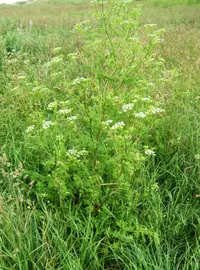
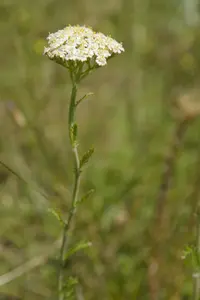
Poison hemlock, Conium maculatum, is a highly toxic biennial herb in the carrot family, often found along roadsides, ditches, and disturbed fields. It is considered an invasive weed in many temperate regions. The plant forms lacy, fernlike foliage and tall, hollow stems with purple blotches, topped by flat clusters of small white flowers. It spreads easily by seed and can form dense stands if not controlled. Because of its toxicity, most gardeners do not care for poison hemlock as an ornamental plant. Where it occurs, it thrives in moist, rich, well-drained soils and prefers full sun to light shade.

Care Difficulty
Hard Care

Light Preference
Full Sun

Water Requirements
Regular Water

Temperature Preference
Cold Hardy

Hardiness Zone
3–9

Soil Texture
Sandy, Loamy, Silty

Soil pH
Slightly acidic (6.5–7.0), Neutral (7.0)

Soil Drainage
Moist but well-drained

Fertilization
Minimal (feed rarely)
Scan your plant to receive care tips personalized for your specific plant
Available on iOS and Android
This species prefers bright, open conditions similar to disturbed fields and roadsides.
This biennial favors consistently moist, not waterlogged, soil conditions.
This plant is adapted to temperate climates with cool to mild growing seasons.
Conium maculatum tolerates a wide humidity range and rarely needs humidity adjustment outdoors.
Conium maculatum establishes most aggressively in moist, deep, well-aerated mineral soils.
This species is not recommended for container growing due to extreme toxicity and invasive potential; containers do not reliably reduce management risks.
This biennial wild species generally thrives on poor to moderately fertile soils and rarely needs supplemental fertilizer.
Pruning Conium maculatum focuses on safe removal and population control rather than shaping.
In managed settings, this species is more often transplanted or removed than kept long term in containers.
Intentional propagation of Conium maculatum is strongly discouraged because it is highly toxic and invasive in many regions.
This hardy biennial tolerates typical winter conditions in most temperate regions and needs no special protection in the ground.

Plant Health Check
Not sure what's wrong with your plant? Check your plant's health inside the app.
The plant contains several piperidine alkaloids, mainly coniine and γ-coniceine, which block neuromuscular transmission and can cause flaccid paralysis leading to respiratory failure in mammals.
Mature stems are hairless, hollow, and marked with distinctive purple or reddish blotches, a key diagnostic trait that helps distinguish this highly toxic species from edible Apiaceae such as parsley and cow parsley.
The dry, ribbed fruits (often called seeds) can remain poisonous and viable in soil for several years, which makes long-term management of established populations difficult once they invade a site.

Poison hemlock is historically infamous as the plant used in the death sentence of the philosopher Socrates in ancient Athens, a case often cited in toxicology and history as one of the earliest well-documented plant poisoning events.
All parts of this species are extremely toxic to humans, pets, and livestock if ingested, and sap can irritate skin. Do not handle without gloves, never allow grazing, and remove plants carefully following local regulations.
Keep your plants happy and healthy with plant identification, disease detection, and easy care guidance.