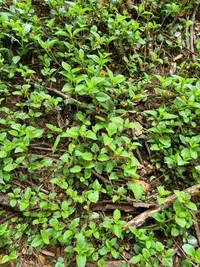
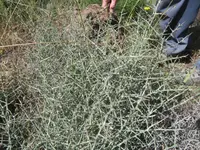
zarzabacoa comun Care (Desmodium incanum)

Also known as: creeping beggarweed, Spanish clover
zarzabacoa comun

About zarzabacoa comun

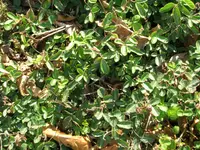
Zarzabacoa comun, Desmodium incanum, is a low-growing perennial legume often found as a groundcover. It forms spreading mats with small trifoliate leaves and tiny pink to lilac flowers.

This species occurs naturally in tropical and subtropical regions of the Americas and has become naturalized in warm areas, including parts of the southern United States. It tolerates poor, compacted soils and recovers quickly after mowing or grazing, which makes it a resilient plant.

Its main traits are toughness, the ability to fix nitrogen in the soil, and rapid creeping growth. These features usually make it easy to establish if given warmth, regular moisture, and at least moderate light, and they also shape how to care for zarzabacoa comun.

Main Plant Requirements

Care Difficulty

Easy Care

Light Preference

Full Sun

Water Requirements

Moderate Water

Temperature Preference

Warm Climate

Hardiness Zone

9–11

Soil Texture

Sandy, Loamy, Rocky

Soil pH

Acidic (5.5–6.5), Slightly acidic (6.5–7.0)

Soil Drainage

Well-drained

Fertilization

Minimal (feed rarely)

Get Personalized Care Plan

Scan your plant to receive care tips personalized for your specific plant

Available on iOS and Android

How to Care for the zarzabacoa comun

Desmodium incanum grows best with consistent bright outdoor light in warm climates.

  • Provide 4–6 hours of direct morning sun with light afternoon shade; strong late-day sun in hot summers can scorch leaves and dry the soil too fast.
  • Plant in an open, unshaded spot or light dappled shade; deep shade reduces flowering and leads to weak, stretched stems.
  • In cooler seasons, more direct sun is beneficial; in midsummer, especially for zarzabacoa comun, protect from reflected heat off walls or pavement.

This species prefers evenly moist, well-drained soil rather than constant wetness.

  • Water when the top 2–4 cm of soil feel dry, using enough to moisten the root zone but not leave standing water on the surface.
  • Choose soil that drains freely; pooling water or sour smell indicates poor drainage and a high risk of root rot in Desmodium incanum.
  • In hot, dry weather, watch for wilting or dull, folding leaflets as a sign to water; yellowing, soft stems usually signal overwatering.

This warm-climate legume thrives in mild to hot conditions and suffers in cold weather.

  • Aim for 70–90°F (21–32°C) for strongest growth; it continues to survive slightly above or below this range if soil is not waterlogged.
  • Tolerates heat up to about 95–100°F (35–38°C) if soil moisture is stable; extended extreme heat with drought can cause leaf drop and stunting.
  • Avoid temperatures below 40°F (4°C); light frost may burn foliage, and repeated or hard frosts near 32°F (0°C) can kill top growth or the whole plant.

This species tolerates a wide humidity range and rarely needs special air moisture management.

  • Aim for ambient humidity around 30–60%, which is adequate for healthy foliage and flowering in zarzabacoa comun.
  • Dry indoor air may slightly slow growth but usually does not cause major stress or leaf damage.
  • If leaves curl or brown at the edges in very dry, hot conditions, group plants or move them away from strong heat sources to reduce moisture loss.

Desmodium incanum prefers light, well-drained soil that stays slightly moist but not saturated.

  • Use a sandy or sandy-loam mix with moderate organic matter, which supports root aeration and creeping growth.
  • Aim for slightly acidic to neutral pH, roughly 6.0–7.0, to keep nutrients available without risk of toxicity.
  • Combine native soil with coarse sand and a small amount of compost to balance drainage with stable moisture and nutrition.
  • Avoid compacted clay, waterlogged sites, or heavy peat mixes that stay wet and restrict oxygen around the roots.

This species can be grown in containers if the pot is managed to prevent waterlogging and root congestion.

  • Choose a wide, shallow container that allows the creeping stems to spread while preventing deep, airless soil layers.
  • Select a sturdy pot material, such as heavy ceramic, to keep the container stable as foliage spreads outward.
  • Elevate the pot slightly on feet or bricks so drainage holes stay clear and excess water escapes quickly after rain or irrigation.

Desmodium incanum (zarzabacoa comun) usually needs minimal feeding in average to moderately fertile soil.

  • In poor or very sandy soils, apply a light dressing of compost around plants once in spring.
  • Where faster growth is desired, use a balanced NPK fertilizer at 1/2 strength at the start of the warm growing season.
  • Avoid frequent applications; a single spring feeding is usually sufficient for healthy foliage and flowering.
  • Do not fertilize in winter or dormancy periods to prevent weak, overly soft growth.

Pruning Desmodium incanum is mainly done to tidy growth and maintain a low, manageable mat.

  • Best time for structural pruning is late winter to early spring, before strong new growth begins.
  • Use clean hand pruners or shears to remove dead, damaged, or diseased stems at their base.
  • Thin crowded patches to improve air flow and reduce humidity, which lowers disease risk.
  • Lightly shape the outer edges after flowering to keep plants within bounds without removing too much foliage.

This species is more often transplanted outdoors than grown long term in containers.

  • Transplant in spring or early summer, when soil is warm and plants resume active growth.
  • Move plants when growth slows, roots circle the container, or the root mass is dense and hard.
  • Lift with a generous soil ball, disturb roots as little as possible, and replant at the same depth.
  • Water thoroughly after transplanting, then keep soil evenly moist and shaded for 3–5 days to reduce stress.

Desmodium incanum is commonly propagated from seed and by simple layering in garden settings.

  • Collect ripe seed pods, dry them, then sow seeds in spring on the soil surface or barely covered.
  • Provide warm conditions around 70–80°F and consistently moist, well-drained substrate for germination.
  • For layering, pin a low, flexible stem to moist soil until roots form, then sever from the parent.
  • Optional: take short softwood cuttings in late spring, use rooting hormone, and keep humidity high until rooted.

In mild to warm climates, Desmodium incanum generally requires little special winter care outdoors.

  • It tolerates light cool periods but can be damaged by hard frost below about 28–30°F.
  • In regions with occasional frost, apply a 5–7 cm mulch layer over the root zone in late fall.
  • Container plants in colder areas should be moved to a bright, frost-free space before freezing nights.

Care Tips

Encourage Ground Cover

Lightly pinch back the tips of young shoots in late spring to promote branching and create a denser, more effective soil-covering mat that suppresses weeds.

Manage Self-Seeding

Check the surrounding area at least twice a year and pull unwanted seedlings before they develop deep roots to prevent this species from spreading beyond its intended zone.

Support In Mixed Turf

In mixed lawn or pasture situations, mow on a slightly higher setting and avoid very frequent mowing so stems can flower and fix nitrogen without being repeatedly scalped.

Time Mechanical Control

Where the plant is too aggressive, cut or string-trim it just before flowering and repeat once regrowth reaches 10–15 cm to deplete stored energy while minimizing seed production.

Monitor Pasture Integration

When using it as a forage legume, introduce grazing animals gradually and rotate grazing areas so plants have time to recover and maintain a healthy stand while growing zarzabacoa comun as a long-term ground cover.

Common Pests and Diseases

Foliage-feeding caterpillars

This pest chews irregular holes in leaves and may skeletonize the thin leaflets, especially on young field or pasture plants.

Solution

Hand-pick caterpillars when numbers are low and remove nearby weeds that host moth larvae. For heavier infestations, spot-treat foliage with a Bacillus thuringiensis (Bt) spray in the evening, following the label, and avoid broad-spectrum insecticides that can harm beneficial insects that help with Desmodium incanum care.

Grasshoppers

These insects chew large notches or entire sections from leaves and can quickly defoliate plants in hot, dry weather.

Solution

Encourage natural predators by maintaining diverse vegetation around the planting area and mowing grass borders to reduce egg-laying sites. In severe outbreaks, protect small plantings with fine mesh or row cover and use targeted grasshopper baits along field margins instead of spraying the whole stand.

Leaf spot complex

This disease causes small brown to dark-purple spots on leaflets that may merge into larger blotches, reducing photosynthetic area and weakening stands in humid, warm climates.

Solution

Remove and destroy heavily spotted plant material and avoid overhead irrigation to keep foliage dry. Improve airflow by reducing crowding, and if the problem recurs in the same area, rotate with non-legume species and choose well-drained, open sites for new Desmodium incanum plantings.

Powdery mildew

This disease presents as a white, powdery coating on leaf surfaces, which can lead to yellowing and premature leaf drop under shaded or crowded conditions.

Solution

Increase light and airflow by trimming surrounding vegetation and spacing plants so leaves dry quickly. Remove the most affected leaves and, if needed, apply a sulfur or potassium bicarbonate-based fungicide labeled for forage or ornamental legumes, following all local use restrictions.

Interesting Facts

Sticky hitchhiker pods

This species produces small jointed pods covered in tiny hook-like hairs that cling strongly to animal fur and clothing, making it an effective hitchhiker for seed dispersal in disturbed and urban habitats.

Nitrogen-fixing groundcover

As a legume, it forms nodules on its roots that host nitrogen-fixing bacteria, allowing it to enrich poor soils and function as a low, spreading groundcover in warm regions.

Rapid response leaflets

The trifoliate leaves have small leaflets that fold or droop slightly in response to touch, heat, or water stress, a movement linked to specialized cells at the leaflet base called pulvini.

Botan icon

Did you know?

In several tropical and subtropical regions, this species is considered both a useful forage plant and a weed, because it can improve pasture soil fertility while also spreading aggressively along roadsides, lawns, and crop margins through its clinging seed pods.

FAQs about zarzabacoa comun

This species spreads rapidly by creeping stems and hitchhiking seed pods that cling to clothing, fur, and equipment. In mild climates it can quickly colonize open soil and lawns, so regular edging and removal are important.

Grow Healthy Plants with Botan Care

Keep your plants happy and healthy with plant identification, disease detection, and easy care guidance.

Botan plant care app — identify plants on mobile

Explore More Plants