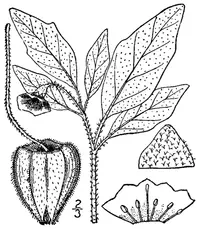
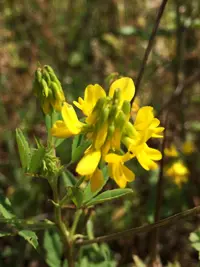
hairy lettuce Care (Lactuca hirsuta)

hairy lettuce

About hairy lettuce

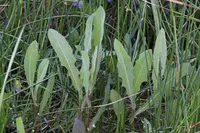
Hairy lettuce, Lactuca hirsuta, is a North American native wildflower in the daisy family, often found in open woods, prairies, and roadsides. It is a biennial or short-lived perennial that forms a basal rosette in its first year and sends up a tall, slender flowering stem in the next season.

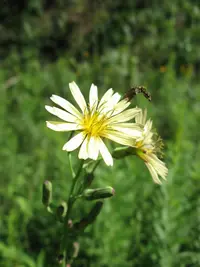
The plant has softly hairy leaves and stems, with small pale yellow flower heads that resemble a delicate, airy lettuce bloom. It self-seeds readily in suitable conditions, which can make it easy to maintain in naturalistic or meadow-style plantings.

This species generally prefers full sun to light shade, with moderately moist, well-drained soils, and these adaptable traits simplify how to care for hairy lettuce in typical garden settings.

Main Plant Requirements

Care Difficulty

Moderate Care

Light Preference

Full Sun

Water Requirements

Moderate Water

Temperature Preference

Cool Climate

Hardiness Zone

4–8

Soil Texture

Loamy, Sandy, Organic-rich

Soil pH

Acidic (5.5–6.5), Slightly acidic (6.5–7.0)

Soil Drainage

Moist but well-drained

Fertilization

Minimal (feed rarely)

Get Personalized Care Plan

Scan your plant to receive care tips personalized for your specific plant

Available on iOS and Android

How to Care for the hairy lettuce

This woodland native prefers bright conditions without intense, prolonged afternoon sun.

  • Provide 4–6 hours of morning sun or light dappled shade under open trees; avoid exposed west-facing slopes in hot summers.
  • Tolerates partial shade, but in sites with less than 3–4 hours of direct or filtered light, hairy lettuce may grow leggy and flower poorly.
  • In hot climates, give more shade from June to August to reduce leaf scorch and soil drying; in cooler regions, it can handle more open sun.

Watering should keep the root zone consistently moist but never saturated.

  • In the ground, water when the top 3–5 cm of soil feels dry, applying a deep soak rather than frequent light splashes to encourage deeper rooting.
  • Use well-drained, loamy soil so excess water can escape; soggy soil around Lactuca hirsuta leads to root rot and yellowing, limp lower leaves.
  • During hot, dry periods, monitor foliage for wilting or dull, floppy leaves as a cue to water more often; reduce watering in cool, rainy seasons.

This species prefers cool to mild conditions and declines in sustained heat.

  • Optimal growth occurs around 55–70°F (13–21°C), typical of spring and early summer in many temperate regions.
  • Plants tolerate down to about 25–28°F (-4 to -2°C) with some leaf damage; hard freezes below this can kill top growth but seed often persists.
  • Heat above 80–85°F (27–29°C), especially with dry soil, can trigger bolting and bitter foliage, so use mulch and light shade during hot spells.

Humidity is rarely a limiting factor for Lactuca hirsuta grown outdoors in typical US climates.

Lactuca hirsuta prefers loose, moist, well-aerated ground that drains freely yet holds consistent moisture.

  • Use a loamy mix with 40–60% mineral soil, 20–40% compost, and up to 20% coarse sand for structure.
  • Aim for slightly acidic to neutral pH around 6.0–7.0 to support nutrient availability and root function.
  • Improve drainage and aeration by blending in coarse sand or fine grit rather than peat-heavy materials alone.
  • Avoid compacted clay, waterlogged low spots, or pure sand that dries too fast and limits nutrient retention.

This species can be grown in containers if moisture and rooting depth are managed carefully.

  • Choose a pot at least 20–25 cm deep so the taproot can develop without circling tightly near the base.
  • Select a sturdy, heavier container material if placed outdoors to reduce tipping from tall stems and wind exposure.
  • Use a fast-draining mix and elevate the pot slightly so excess water runs freely out of the drainage holes after rain.

This native wild lettuce usually grows well in average soil and needs only light feeding in cultivation.

  • Use a balanced, diluted liquid fertilizer (such as 10-10-10 at 1/4–1/2 strength) for container-grown plants in spring and early summer.
  • Apply a thin layer of compost around in-ground plants at the start of the growing season instead of frequent liquid feeds.
  • Feed every 4–6 weeks during active growth, then stop fertilizing in late summer as growth slows.
  • Avoid high-nitrogen products that cause weak, leggy growth and reduce stress by watering before and after any feeding.

Lactuca hirsuta needs only light pruning to maintain a tidy appearance and encourage healthy growth.

  • Cut back spent flower stalks in late summer to prevent excessive self-seeding and to redirect energy to the root system.
  • Remove yellowing, dead, or damaged leaves at the base with clean scissors or hand pruners to improve airflow.
  • Thin crowded stems lightly to reduce fungal issues, taking care not to remove more than 1/3 of the foliage at once.
  • Use disinfected, sharp tools and make clean cuts close to the base without tearing tissue.

This species is usually grown in the ground, so focus on careful transplanting rather than frequent repotting.

  • Transplant seedlings or young plants of Lactuca hirsuta in early spring or early fall, when temperatures are mild and soil is moist.
  • Move plants only when roots have filled the plug or small pot, but before they circle heavily and cause slow, stressed growth.
  • Lift plants with a generous soil clump, disturbing roots as little as possible, and replant at the same depth in well-drained soil.
  • Water thoroughly after transplanting, then keep soil evenly moist but not waterlogged for 1–2 weeks to reduce transplant shock.

This wild lettuce is most commonly propagated from seed rather than vegetative methods.

  • Collect ripe, dry seed heads in late summer, then store cool and dry until sowing.
  • Sow seeds on the soil surface in early spring or fall, as light exposure helps germination.
  • Use a well-drained seed-starting mix, keep it evenly moist, and maintain cool to moderate temperatures around 60–70°F.
  • Thin crowded seedlings to allow strong airflow and space for healthy root development.

This cold-hardy native generally needs little special winter care in typical garden conditions.

  • In colder regions, apply a light mulch layer after the ground cools to buffer freeze-thaw cycles around the roots.
  • Leave some dried stems standing over winter to mark plant locations and provide minimal crown protection.
  • Container-grown plants are more exposed; move them to a sheltered, unheated area to reduce root freezing and drying.

Care Tips

Staggered Succession Sowing

Sow small rows 7–10 days apart rather than all at once to keep plants in the tender rosette stage longer and to avoid a single flush bolting in hot weather.

Targeted Bolting Management

Once flower stalks appear, remove only the most advanced, tall plants to reduce self‑seeding and shading while leaving younger plants to mature seed gradually for future collections.

Low‑Competition Bed Design

Grow this species in a dedicated strip or patch with shallow cultivation between rows, since minimizing root disturbance and competition from neighboring crops helps maintain stronger rosettes and cleaner foliage.

Efficient Seed Harvesting

Bag a section of maturing flower heads with fine mesh or organza before seeds fluff out, then cut and dry them in a labeled paper bag to capture viable seed without it scattering in the bed.

Disease‑Smart Spacing

Use slightly wider spacing than standard lettuce and orient rows with prevailing wind so foliage dries quickly after rain, which lowers the risk of foliar diseases when growing hairy lettuce in humid climates.

Common Pests and Diseases

Downy mildew

This disease causes yellow to pale-green angular spots on upper leaf surfaces and a gray to purplish fuzzy growth on the undersides, especially in cool, humid conditions. Symptoms include rapid leaf decline and reduced vigor in dense patches of plants.

Solution

Remove and discard heavily infected leaves and any nearby volunteer lettuce species to reduce the source of spores. Improve air circulation, avoid overhead watering, water early in the day so foliage dries quickly, and rotate out of Asteraceae crops in nearby garden beds for at least 2–3 years; in cultivated settings, use a labeled copper or phosphonate fungicide only if conditions remain persistently cool and wet.

Powdery mildew

This disease produces white, powdery patches on both sides of leaves, which can cause leaf curling, distortion, and premature senescence in stressed plants. Symptoms include reduced photosynthesis and overall weakening of the stand in shaded or crowded sites.

Solution

Thin or selectively cut plants to increase light and airflow, and avoid excess nitrogen that encourages soft, susceptible growth. Remove the most affected foliage, reduce overhead irrigation, and, where appropriate in managed plantings, apply a sulfur or potassium bicarbonate product labeled for edible greens, following all label directions carefully.

Leaf miners

These insects create winding, whitish tunnels inside the leaves where larvae feed between leaf surfaces. Symptoms include serpentine trails that can dry, brown, and reduce the usable leaf area on young plants.

Solution

Pinch off and dispose of mined leaves before larvae complete development, and remove nearby weedy composites that can host the same leaf miner species. Floating row covers over cultivated patches, combined with yellow sticky cards and, when needed, targeted releases of parasitic wasps (Diglyphus species), help interrupt the life cycle without broad-spectrum insecticides.

Aphids

These insects cluster on tender stems and leaf undersides, sucking sap and excreting sticky honeydew that can attract sooty mold. Symptoms include curled, distorted leaves and stunted growth, especially on young rosettes in nutrient-rich soils.

Solution

Dislodge colonies with a firm stream of water and remove heavily infested leaves, then encourage natural enemies such as lady beetles and lacewings by avoiding broad-spectrum sprays. In small cultivated patches, an insecticidal soap or lightweight horticultural oil applied thoroughly to leaf undersides can manage populations; repeat applications may be needed while monitoring for beneficial insects.

Interesting Facts

North American native annual

This species is a wild lettuce native to eastern and central North America, where it typically grows as an annual in open woods, prairies, and disturbed sites rather than as a garden vegetable.

Distinctive bristly foliage

The leaves and stems are noticeably hairy and rough to the touch, with stiff bristles that help distinguish it from smoother wild lettuce relatives in the field.

Wind‑dispersed seed heads

Mature seed heads form dandelion-like, white puffballs whose achenes each carry a small tuft of hairs, allowing the seeds to travel by wind and colonize new open habitats.

FAQs about hairy lettuce

This species self-seeds readily and can form loose colonies, but it is not usually aggressive in typical garden soils. Removing seed heads before they disperse and thinning seedlings keeps its spread easy to manage.

Grow Healthy Plants with Botan Care

Keep your plants happy and healthy with plant identification, disease detection, and easy care guidance.

Botan plant care app — identify plants on mobile

Explore More Plants