Use Low Tunnels
In cooler regions, install simple low plastic tunnels or floating row covers in early spring to warm the soil and air, which speeds establishment and extends the harvest period for this species.

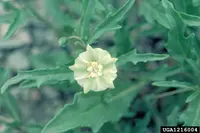
Virginia groundcherry, Physalis virginiana, is a small herbaceous perennial in the nightshade family, related to tomatillo and ornamental Chinese lantern. It typically forms low, branching clumps with soft, slightly hairy leaves and nodding yellow flowers that develop into round fruits enclosed in a papery husk.
This species is native to central and eastern North America, often found in prairies, open woods, and disturbed, well-drained sites. It tends to be drought-tolerant once established and spreads by rhizomes, which can make it persistent in suitable conditions.
Gardeners who want to learn how to care for Virginia groundcherry should know it prefers full sun to light shade, moderate moisture, and loose, well-drained soil.

Care Difficulty
Easy Care

Light Preference
Full Sun

Water Requirements
Moderate Water

Temperature Preference
Cold Hardy

Hardiness Zone
4–8

Soil Texture
Sandy, Loamy, Clay

Soil pH
Slightly acidic (6.5–7.0), Neutral (7.0)

Soil Drainage
Well-drained

Fertilization
Minimal (feed rarely)
Scan your plant to receive care tips personalized for your specific plant
Available on iOS and Android
This prairie perennial prefers bright conditions and handles full sun in most regions.
This species prefers evenly moist but not saturated soil and tolerates brief dry spells once established.
This plant is adapted to temperate climates with warm summers and cold winters.
This species tolerates a wide humidity range, so indoor air is usually acceptable.
Physalis virginiana prefers light, well-drained mineral soil that does not stay waterlogged.
This species can grow successfully in containers if given enough root space and sharp drainage.
Native Physalis virginiana usually needs minimal fertilizer in average garden soil.
Physalis virginiana benefits from light, targeted pruning to maintain health and manageable size.
This species is most often grown in the ground, so focus on careful outdoor transplanting rather than container repotting.
Physalis virginiana is commonly propagated from seed and by division of established clumps.
This hardy perennial usually needs little winter attention in most temperate climates.

Plant Health Check
Not sure what's wrong with your plant? Check your plant's health inside the app.
Virginia groundcherry occurs naturally in prairies, open woodlands, and sandy or rocky soils across much of the central and eastern US, often in habitats that experience periodic disturbance such as grazing or fire.
After flowering, the sepals expand to form a papery, lantern-like husk that encloses the berry, a trait that protects the developing fruit from some herbivores and excessive sun exposure.
This species belongs to the Solanaceae family, making it a wild North American relative of crops like tomato and tomatillo, with a similar berry-and-calyx structure but much smaller overall plant size.

Genetic studies show that Virginia groundcherry is closely related to several other North American Physalis species and has contributed to ongoing discussions among botanists about how to correctly classify and separate species within this complex and morphologically variable genus.
This species spreads by seed and short rhizomes, forming loose patches over time. It is not usually aggressive in typical home gardens but can become weedy in disturbed, sandy or bare soils if fruits are left to drop freely.
Keep your plants happy and healthy with plant identification, disease detection, and easy care guidance.