Encourage Compact Growth
Pinch back soft, elongated tips by 1–2 cm in early spring to keep plants dense and cushion-like, and use the cuttings immediately as divisions by pressing them into nearby gritty soil.

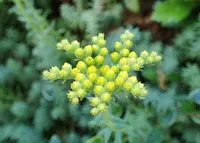
Reflexed stonecrop (Petrosedum rupestre) is a small, mat-forming succulent often used in rock gardens, green roofs, and containers. It forms dense cushions of narrow, fleshy, blue-green leaves on trailing or arching stems. In summer it produces short stalks topped with small yellow star-shaped flowers that attract pollinators. This species is native to rocky, sunny habitats in parts of Europe, which explains its good drought tolerance and preference for well-drained, poor soils. It suits gardeners who want to care for Reflexed Stonecrop with minimal effort, as it generally thrives with strong light, modest watering, and little maintenance.

Care Difficulty
Easy Care

Light Preference
Full Sun

Water Requirements
Low Water

Temperature Preference
Cold Hardy

Hardiness Zone
5–9

Soil Texture
Sandy, Loamy, Rocky

Soil pH
Slightly acidic (6.5–7.0), Neutral (7.0)

Soil Drainage
Well-drained

Fertilization
Minimal (feed rarely)
Scan your plant to receive care tips personalized for your specific plant
Available on iOS and Android
This sun-loving succulent thrives in bright, open positions with plenty of direct light.
This drought-tolerant succulent prefers infrequent, deep watering and very fast-draining soil.
This hardy succulent tolerates a wide temperature range but performs best in moderate conditions.
This drought-tolerant succulent accepts a wide humidity range and rarely needs special humidity management indoors.
Petrosedum rupestre thrives in lean, very fast-draining, mineral-based soil that prevents roots from staying wet.
This species is very suitable for container growing, including shallow bowls and troughs.
This drought-tolerant succulent needs only light feeding, so caring for Reflexed Stonecrop focuses more on good light and drainage than fertilizer.
Petrosedum rupestre responds well to light, periodic pruning that keeps mats dense and tidy.
This shallow-rooted succulent seldom needs frequent repotting but benefits from occasional division or transplanting when crowded.
This species is commonly propagated to expand groundcovers or refresh older mats.
This hardy succulent usually needs little winter care in the ground in most temperate climates.

Plant Health Check
Not sure what's wrong with your plant? Check your plant's health inside the app.
The roots of this species can penetrate tiny cracks in limestone and other rocks, helping to slowly wedge them apart and stabilize shallow soil on cliffs and old walls.
In early to mid-summer it produces upright clusters of bright yellow, star-shaped flowers that are highly attractive to bees and other small pollinators in dry, open habitats.
Unlike many succulents from warmer regions, this plant is naturally adapted to temperate European climates and can survive freezing winters when grown in well-drained conditions.

In parts of central and northern Europe, especially in Germany and surrounding regions, this species has a long history of use as a tangy, lemon-flavored garnish, and is still occasionally cultivated in herb gardens for its distinctive acidic taste.
This species spreads by creeping stems and self-rooting tips, forming low mats over time. It is generally easy to manage. Simple edging, lifting stray pieces, or planting near hard borders keeps it from overrunning small spaces.
Keep your plants happy and healthy with plant identification, disease detection, and easy care guidance.