rainbow hedgehog cactus Care (Echinocereus rigidissimus)

Also known as: Arizona Rainbow Cactus
rainbow hedgehog cactus

About rainbow hedgehog cactus

The rainbow hedgehog cactus, Echinocereus rigidissimus, is a small, slow-growing desert cactus with a single, upright stem covered in dense bands of colored spines. These spines often show pink, red, and cream rings, giving the plant a striking, striped look.

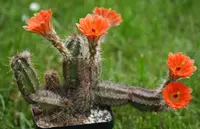
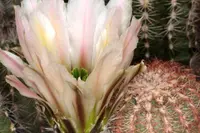
In spring or early summer, mature plants produce large, funnel-shaped pink to magenta flowers near the top of the stem. It is native to arid regions of the southwestern United States and northern Mexico, where it grows in rocky, well-drained soils.

This species stays compact, which makes it suitable for containers and small spaces. Understanding how to care for rainbow hedgehog cactus is straightforward once its need for strong light, excellent drainage, and careful watering is recognized.

Main Plant Requirements

Care Difficulty

Moderate Care

Light Preference

Full Sun

Water Requirements

Low Water

Temperature Preference

Warm Climate

Hardiness Zone

8–10

Soil Texture

Sandy, Loamy, Rocky

Soil pH

Slightly acidic (6.5–7.0), Neutral (7.0)

Soil Drainage

Well-drained

Fertilization

Minimal (feed rarely)

Get Personalized Care Plan

Scan your plant to receive care tips personalized for your specific plant

Available on iOS and Android

How to Care for the rainbow hedgehog cactus

This cactus thrives in bright, direct sun that mimics its desert habitat.

  • Provide 6–8 hours of direct sun daily, ideally with strong morning sun and some lighter afternoon exposure to protect the rainbow hedgehog cactus from scorching.
  • In hot, arid climates, give light afternoon shade or filtered sun to prevent bleaching or brown, sunken patches on the ribs.
  • Outdoors, adjust with the seasons: increase exposure gradually in spring, and in winter accept lower angles and shorter days while keeping the site as open as possible.

Echinocereus rigidissimus needs infrequent but thorough watering that allows the soil to dry between soakings.

  • Water only when the top 3–5 cm of soil are completely dry; in hot active growth this may be every 7–14 days, less often in cooler periods.
  • Use sharply draining, gritty soil so water runs through quickly; standing water or heavy clay encourages root rot and a soft, yellowing stem.
  • Reduce watering sharply in winter, giving just enough to prevent shriveling; deep, lasting softness or a musty smell indicates overwatering, while firm wrinkling signals mild thirst.

This species prefers warm conditions and only brief exposure to cold.

  • Ideal growing temperatures are 70–85°F (21–29°C) by day and 55–65°F (13–18°C) at night during the active season.
  • Protect from frost; short drops to 25–30°F (-4 to -1°C) may be survived if soil is bone-dry, but repeated freezing damages tissues and roots.
  • In hot regions, plants tolerate 95–100°F (35–38°C) if air moves freely and soil drains fast; provide light afternoon shade during extreme heat waves.

This cactus prefers dry air and rarely needs extra humidity in typical homes.

  • Aim for 20–40% relative humidity, similar to an arid indoor environment.
  • It tolerates very dry air; problems arise more from excess moisture than from dryness.
  • Signs of humidity stress include soft, pale, or translucent stem tissue and increased rot risk; improve air movement and avoid misting when this occurs.

Provide a very fast-draining, mineral-rich mix to prevent root and stem rot.

  • Use a gritty, sandy mix such as 60–70% inorganic material (pumice, coarse perlite, lava rock, or coarse sand) with 30–40% cactus potting mix.
  • Ensure sharp drainage; water should run through in seconds and the mix should dry fully within a few days.
  • Aim for slightly acidic to neutral pH, around 6.0–7.0, which suits Echinocereus rigidissimus in cultivation.
  • Avoid fine peat-heavy, compact, or water-retentive mixes that stay wet, as these quickly damage roots and the stem base.

This species is very suitable for container growing when drainage and pot depth are managed carefully.

  • Choose a pot just slightly wider than the plant body to keep the root zone from holding excess unused moisture.
  • Select unglazed terracotta to increase evaporation from the sides, which helps the mix dry quickly after watering.
  • Use a heavy, low-profile container so the plant remains stable and does not tip if the stem leans or offsets form.

This cactus needs modest feeding, focused on the active growing season.

  • Use a balanced cactus fertilizer (for example 5-10-10 or 10-10-10) diluted to 25–50% strength in spring and summer.
  • Apply every 4–6 weeks only when the soil is already moist to avoid root burn.
  • Avoid compost or rich organic feeds that stay wet and encourage rot.
  • Stop feeding rainbow hedgehog cactus in fall and winter, when growth slows and the plant rests.

Pruning needs for Echinocereus rigidissimus are minimal and mostly health related.

  • Best timing is late spring or early summer, after the risk of frost has passed.
  • Remove only dead, shriveled, or diseased stems using cleaned, sharp scissors or pruning snips.
  • Cut at the base of the damaged section without injuring healthy tissue.
  • Limited pruning keeps the plant’s natural columnar form and supports better flowering over time.

This species prefers infrequent repotting, with focus on root health and very sharp drainage.

  • Repot every 3–4 years or when roots circle the pot or emerge from drainage holes and growth slows.
  • Choose late spring as the safest time, using a small pot only 2–3 cm wider with gritty cactus mix.
  • Unpot gently, tease circling roots lightly, and remove old, soggy soil without washing all roots bare.
  • Let roots dry 2–3 days after repotting, then water lightly to reduce stress and limit rot risk.

Propagation of this cactus is usually done from seed and requires patience and controlled conditions.

  • Sow fresh seeds of Echinocereus rigidissimus in late spring on a sterile, gritty mix, barely covering them.
  • Maintain 70–80°F, bright indirect light, and consistently lightly moist but not wet substrate for germination.
  • Cover with a clear lid or plastic dome for humidity, venting daily to limit fungal growth.
  • After seedlings show several spines, gradually increase airflow and light, then pot on individually.

Winter care focuses on keeping the plant cold but very dry to avoid rot.

  • Mature plants tolerate brief light frost down to about 20–25°F if the soil is completely dry.
  • In cold, wet climates, grow in containers and move indoors to a bright, cool room for winter.
  • Stop watering in late fall; keep soil bone-dry until spring growth resumes.
  • Use a coarse mineral mulch around the crown in outdoor plantings to shed water and insulate roots.

Care Tips

Support during flowering

Place a narrow ring stake or small rock support behind the stem before buds open, so heavy flowers do not tilt or snap the plant at the base.

Top-dress with mineral grit

Add a 1–2 cm layer of coarse pumice, granite grit, or chicken grit on the soil surface to keep the stem base dry, reduce fungus gnat activity, and stabilize the shallow root system.

Rotate for even ribs

Rotate the pot 90° every 2–3 weeks in the growing season so the ribs and spine bands stay evenly spaced and the stem does not lean toward the strongest light source.

Cool, dry winter rest

Provide a distinct winter rest by keeping the plant almost dry and cooler than summer, which encourages stronger flowering and more compact growth in the following season when caring for rainbow hedgehog cactus.

Root inspection on repot

At each repot, gently comb out and trim any circling or blackened roots, then let the root ball dry for 1–2 days before replanting to reduce transplant shock and the risk of rot.

Common Pests and Diseases

Mealybugs

This pest feeds on cactus tissues and hides in the dense spines and at the stem base, often appearing as small white cottony clusters. Symptoms include yellowing, slowed growth, and sticky honeydew on the plant or pot surface.

Solution

Isolate the plant, then dislodge visible insects with a cotton swab dipped in 70% isopropyl alcohol, taking care to reach between spine rows. Improve light and airflow, reduce excess nitrogen fertilization, and repeat spot treatments weekly; for heavy infestations, use a labeled systemic insecticide suitable for cacti following package directions.

Spider mites

These insects prefer hot, dry conditions and can colonize the ribs between the spines, causing a dull, dusty appearance. Symptoms include fine webbing, faded coloration, and tiny stippling spots on the stem surface.

Solution

Rinse the plant thoroughly with a strong but controlled stream of water, especially between ribs, to knock mites off, then increase humidity slightly without keeping the soil wet. If mites persist, apply a horticultural soap or a miticide labeled for ornamental cacti, repeating at 5–7 day intervals until new growth looks clean.

Scale insects

This pest appears as small, hard, brown or tan bumps along the ribs or near the stem base that do not brush off easily. Symptoms include weakened growth, slight yellowing, and sticky honeydew that can support sooty mold on nearby surfaces.

Solution

Gently scrape or lift individual scales off with a toothpick or soft brush, then dab remaining spots with 70% isopropyl alcohol. For larger populations, use a systemic insecticide and monitor the plant every 1–2 weeks, removing new scales promptly as part of broader Echinocereus rigidissimus care.

Fusarium stem rot

This disease is caused by soilborne fungi entering through wounds or the root zone, leading to internal browning and soft, sunken areas on the stem. Symptoms include localized collapse of tissue, off-color bands, and eventual shriveling above the affected area.

Solution

At early stages, cut away all affected tissue into firm, healthy, green flesh with a sterile knife and allow the wound to dry and callus in bright, dry conditions. Discard severely affected plants, sterilize or replace the pot and substrate, and in the future use a very fast-draining cactus mix and avoid overwatering or injuring the stem.

Bacterial soft rot

This disease develops rapidly in overly wet, warm conditions, often through small injuries on the stem, and causes mushy, water-soaked tissue with a foul odor. Symptoms include rapid collapse of sections of the cactus, discoloration, and sometimes oozing fluid at the infection site.

Solution

Remove and discard the plant if the rot is extensive, as bacteria spread quickly and are difficult to control. If only a small area is affected, cut away all soft tissue into firm, healthy tissue with sterile tools, let the wound dry in a dry, airy place, and adjust watering and substrate to keep the plant in a drier, more ventilated environment to prevent recurrence.

Interesting Facts

Highly rigid spines

This species is named for its unusually stiff, comb-like spines that lie tight against the stem, creating neat horizontal bands rather than the more chaotic spine patterns common in many cacti.

Stacked rainbow bands

Mature plants develop distinct colored bands along the stem, often in shades of pink, purple, and cream, produced by changes in spine pigmentation between growing seasons.

Extremely slow growth

This cactus grows very slowly and usually remains a single, unbranched stem for many years, which helps it conserve resources in its dry native habitats of Arizona, New Mexico, and northern Mexico.
Botan icon

Did you know?

In habitat, this species often aligns its single cylindrical stem so that the smallest surface area faces the most intense midday sun, reducing water loss while still receiving enough light to fuel its large, energy-demanding magenta flowers.

FAQs about rainbow hedgehog cactus

This species usually flowers in late spring to early summer, producing large funnel-shaped blooms in shades of pink to magenta with lighter centers. Individual flowers last only a few days, but the display is very showy.

Grow Healthy Plants with Botan Care

Keep your plants happy and healthy with plant identification, disease detection, and easy care guidance.


Botan plant care app — identify plants on mobile

Explore More Plants