


Winter moisture control
In winter rest, keep the potting mix nearly dry and only give a light splash of water every 4–6 weeks so the roots stay alive but the stem does not swell and crack in cold conditions.

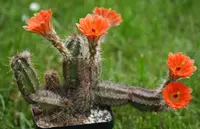
Echinocereus scheeri is a small, clumping cactus known for its slender, cylindrical stems and showy tubular flowers, often in shades of pink, magenta, or red. Stems usually form low, dense mounds that create an attractive display in rock gardens or containers.
This species is native to arid and semi-arid regions of northern Mexico and the southwestern United States, where it grows in rocky, well-drained habitats. Its drought tolerance and slow growth make it relatively low-maintenance, though it needs strong light and sharply draining soil to stay healthy.
For anyone learning how to care for Echinocereus scheeri, its main needs are bright sun, minimal watering, and protection from prolonged cold and excess moisture.

Care Difficulty
Moderate Care

Light Preference
Full Sun

Water Requirements
Low Water

Temperature Preference
Warm Climate

Hardiness Zone
9–11

Soil Texture
Sandy, Rocky, Loamy

Soil pH
Slightly acidic (6.5–7.0), Neutral (7.0)

Soil Drainage
Well-drained

Fertilization
Minimal (feed rarely)
Scan your plant to receive care tips personalized for your specific plant
Available on iOS and Android
This desert cactus needs strong light to bloom well and stay compact.
This species prefers thorough but infrequent watering in fast-draining, mineral-rich soil.
This cactus handles heat well but is only moderately tolerant of cold.
This cactus prefers very dry air and usually does not need humidity adjustment.
Use a very fast-draining, mineral-rich mix to prevent root rot.
This species is well suited to container culture when drainage and stability are prioritized.
This desert cactus needs only light feeding to maintain compact, healthy growth.
Pruning needs are minimal and focus on hygiene rather than shaping this cactus.
This cactus prefers to stay slightly root-bound and only needs infrequent repotting.
Propagation of this species is practical from stem offsets or from seed under controlled conditions.
Winter care focuses on keeping the plant cool, very dry, and above its cold tolerance limit.

Plant Health Check
Not sure what's wrong with your plant? Check your plant's health inside the app.
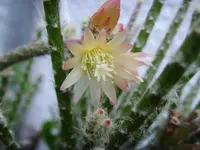
This species produces long, narrow, funnel-shaped flowers that open in the evening or night and often remain open into the next morning, a trait linked to pollination by nocturnal moths and possibly bats in its native range.
In the wild, it often grows on steep limestone cliffs and rocky walls in northern Mexico, where its elongated, trailing stems hang down, an adaptation that improves light exposure and water runoff in arid habitats.
Mature plants can develop a thickened, somewhat tuberous root or basal stem that acts as a water and nutrient reservoir, helping the plant survive prolonged dry periods in its semi-desert environment.

Some forms of this species have been used in natural hybridization and selection to create ornamental cultivars with especially long, cascading stems and large, showy flowers, making them popular subjects in specialized cactus collections focused on growing Echinocereus scheeri.
This species usually blooms in spring to early summer, producing large, tubular flowers in shades of pink to magenta. Blooms often open in succession along the stems, creating a showy display for several weeks in good conditions.
Keep your plants happy and healthy with plant identification, disease detection, and easy care guidance.

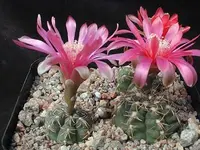
Dwarf Chin Cactus
Gymnocalycium baldianum
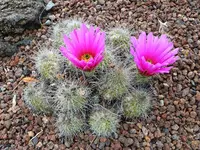
strawberry hedgehog cactus
Echinocereus stramineus
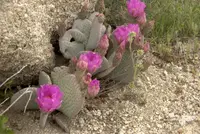
beavertail pricklypear
Opuntia basilaris
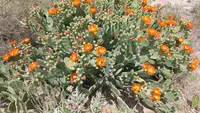
Opuntia megapotamica
Opuntia megapotamica
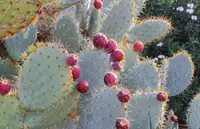
nopal tapón
Opuntia robusta
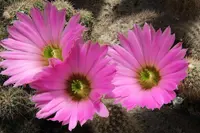
Echinocereus sciurus
Echinocereus sciurus
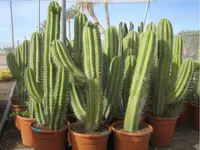
Chichituna
Polaskia chichipe
Hairy Stemmed Rhipsalis
Rhipsalis pilocarpa