Opuntia streptacantha Care

Opuntia streptacantha

About Opuntia streptacantha

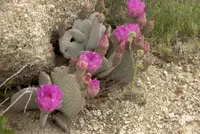
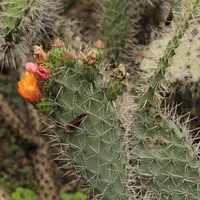
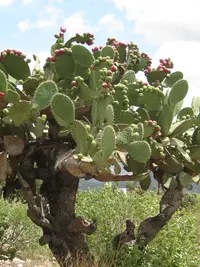
Opuntia streptacantha is a large, tree-forming prickly pear cactus native to arid and semi-arid regions of central and northern Mexico. It develops thick, upright trunks with broad, flat pads that branch into a spreading, often sculptural canopy. The pads are armed with long spines and tiny glochids, which are barbed hairs that can easily irritate skin. This species is adapted to intense sun, high temperatures, and dry, rocky soils, which makes it drought tolerant but sensitive to overwatering in cultivation. For those learning how to care for Opuntia streptacantha, its main requirements are strong light, excellent drainage, and a restrained watering approach.

Main Plant Requirements

Care Difficulty

Easy Care

Light Preference

Full Sun

Water Requirements

Low Water

Temperature Preference

Warm Climate

Hardiness Zone

9–11

Soil Texture

Sandy, Loamy, Rocky

Soil pH

Slightly acidic (6.5–7.0), Slightly alkaline (7.0–7.5)

Soil Drainage

Well-drained

Fertilization

Minimal (feed rarely)

Get Personalized Care Plan

Scan your plant to receive care tips personalized for your specific plant

Available on iOS and Android

How to Care for the Opuntia streptacantha

This cactus thrives in strong, direct sun but benefits from gradual exposure to prevent scorching.

  • Provide 6–8 hours of direct sunlight daily, ideally with morning and early afternoon sun in open ground or an unshaded spot.
  • Acclimate Opuntia streptacantha slowly to full sun over 1–2 weeks to avoid bleached pads or brown, crispy patches from sudden high-intensity light.
  • In very hot regions, offer light afternoon shade in midsummer to reduce heat stress, especially for young or recently transplanted plants.

This species prefers infrequent, deep watering that allows the soil to dry thoroughly between soakings.

  • Water only when the top 5–8 cm of soil are completely dry, letting water soak deeply and drain away without pooling around the roots.
  • During hot active growth, watering may be needed every 2–4 weeks; in cool or winter conditions, reduce to very light, occasional watering or none outdoors in rainy climates.
  • Watch for shriveling pads as a sign of underwatering and soft, yellowing, or blackened pads as indicators of overwatering and possible root rot.

This cactus is adapted to hot, arid climates and can tolerate brief cold if kept dry.

  • Aim for warm growing conditions around 70–95°F (21–35°C) during the main season, with plenty of sun and low to moderate humidity.
  • Mature plants can usually handle short drops to about 15–20°F (-9 to -6°C) if soil is very well drained and pads are kept dry, but young plants are less hardy.
  • Protect from prolonged frost, sleet, or freezing rain, and in extreme heat above 105°F (40°C) consider light afternoon shade to limit tissue stress and sunscald.

This cactus tolerates very low humidity and usually does not need humidity management indoors.

This species needs very fast-draining, mineral-rich soil to prevent root and stem rot.

  • Use a gritty, sandy mix with coarse particles that feels dry quickly, not a peat-heavy, water-retentive substrate.
  • Combine about 50–70% inorganic materials (pumice, coarse sand, small gravel, perlite) with 30–50% cactus potting mix for structure and nutrients.
  • Aim for slightly acidic to slightly alkaline pH around 6.0–7.5, avoiding strongly acidic or saline conditions.
  • Mound or plant slightly above grade to further improve drainage around the root zone in heavy native soils.

This species is suitable for container growing when the pot supports its spreading pads and dry-root needs.

  • Choose a wide, shallow, heavy container so the low, spreading pads do not tip the pot in wind or when bumped.
  • Select unglazed clay to increase evaporation from the sides, reducing the time roots sit in damp substrate after watering.
  • Keep the soil line at least 2–3 cm below the rim so water cannot pool around the pads or spill stems over the edge.

This drought-adapted cactus needs minimal feeding, but light nutrition can support container-grown Opuntia streptacantha during active growth.

  • Use a dilute balanced liquid fertilizer (around 10-10-10) or cactus fertilizer at 25–50% strength in spring–summer.
  • Feed every 6–8 weeks only if growth is active and the plant is in a potting mix low in nutrients.
  • Avoid organic compost mixes that stay wet; they increase rot risk in containers.
  • Stop feeding in fall–winter to maintain a dry, cool rest period and firm pads.

Pruning is mainly used to manage size and remove problem pads on Opuntia streptacantha rather than to stimulate growth.

  • Carry out pruning in late spring or early summer once the risk of frost has passed.
  • Remove dead, shriveled, storm-damaged, or rubbing pads at their joints to maintain structure.
  • Thin crowded pads to improve light penetration and air flow, keeping a stable, open shape.
  • Use long-handled pruners, thick gloves, and tongs; disinfect tools before and after cutting.

Large plants are usually grown in the ground, but container Opuntia streptacantha benefits from occasional transplanting to maintain root health.

  • Check for roots circling the pot, mix drying very quickly, or slowed growth as signals to upsize.
  • Plan transplanting for late spring, when temperatures are warm and new root growth starts.
  • Repot or move to a slightly larger, heavy container every 3–5 years using very gritty cactus soil.
  • Handle pads with tongs, keep roots as intact as possible, and keep soil almost dry for 7–10 days after moving.

Opuntia streptacantha is most often propagated from stem segments, which root reliably in warm, dry conditions.

  • Take healthy pads in late spring or early summer and let the cut ends callus for 7–14 days.
  • Set callused pads upright in a fast-draining cactus mix, burying the base 2–3 cm deep.
  • Keep in bright, indirect light with barely moist soil until roots form, then increase light gradually.
  • Seed propagation is slower; provide warm temperatures, light, and very well-drained sandy mix.

This species is relatively cold tolerant when dry, but extended hard freezes and wet soil increase damage risk.

  • In ground, ensure excellent drainage and avoid sites where water collects in winter.
  • Apply a light gravel mulch around the base to keep pads off wet soil, not for warmth.
  • In areas below about 15°F, grow in containers and move plants to a bright, frost-free, dry indoor spot.

Care Tips

Stabilize Heavy Pads

Stake young plants with a short, sturdy post and use soft ties around the lower pads to prevent toppling or pad breakage as new segments gain weight.

Control Pad Density

Periodically remove crowded or inward-facing pads with a clean, sharp knife to improve air circulation and reduce the risk of fungal spots on shaded tissue.

Use Inert Mulch

Apply a 2–3 cm layer of coarse gravel around the base, leaving a small gap from the stem, to keep pads clean, reduce soil splash, and discourage rot at the crown.

Winter Wet Protection

In cold or wet climates, place a simple clear rain cover or mini-roof over the plant in winter so the root zone stays mostly dry while still receiving full light.

Glove And Tool Hygiene

Use thick gloves and dedicated tongs or pliers when handling pads, then brush tools and gloves with a stiff brush afterward to remove glochids and reduce accidental skin contact when caring for Opuntia streptacantha.

Common Pests and Diseases

Cochineal scale

This pest appears as white, cottony or crusty clusters on pads, often with bright red stain when crushed. Symptoms include yellowing pads and reduced growth as insects suck sap from the plant.

Solution

Physically remove infested clusters with a strong jet of water, then wipe remaining insects with cotton swabs dipped in 70% isopropyl alcohol, avoiding runoff into soil. For larger outdoor plants, use insecticidal soap or a horticultural oil labeled for cacti, applied in the evening and repeated every 7–10 days until no new insects appear.

Opuntia mealybug

These insects form fluffy white masses at areoles, pad joints, and roots, causing pad shriveling and weak growth. This pest often hides in crevices, making early detection difficult.

Solution

Isolate the plant, then gently brush or wash visible insects off with lukewarm water and a soft brush, allowing the plant to dry fully. Follow with spot treatment using 70% isopropyl alcohol or an insecticidal soap spray, and replace or rinse the top 2–3 cm of soil to reduce hidden root populations.

Cactus longhorn beetle

This pest chews large notches in pads while larvae tunnel inside, leading to wilting and collapse of affected segments. Symptoms include oozing or sunken areas and internal tissue damage.

Solution

Hand-pick and destroy adult beetles at dusk or early morning and remove severely damaged pads, cutting into healthy tissue and allowing wounds to dry and callus in full sun. Keep the area around plants free of plant debris and volunteer cacti to reduce breeding sites, and avoid over-irrigation, which can make plants more attractive to egg-laying females.

Helicobacterium-like necrosis

This disease causes brown, sunken, expanding spots on pads that may coalesce into large necrotic areas. Symptoms include a sharp boundary between healthy and dead tissue and eventual pad deformation or drop.

Solution

Cut out affected areas well into healthy green tissue using a sterile knife and allow cuts to dry in full sun for several days until well callused. Improve air movement, keep pads dry when watering, and avoid overhead irrigation; discard heavily affected pads in household trash rather than compost and maintain general Opuntia streptacantha care instructions to keep plants vigorous and more resilient.

Fungal pad spot

This disease produces small, circular, tan to dark brown lesions on pads, sometimes with darker margins and a dry, scabby texture. Symptoms include cosmetic scarring at first, but severe infections can weaken pads and invite secondary rot organisms.

Solution

Remove and discard the most affected pads with sterilized tools, then keep the plant in a dry, sunny position so wounds callus quickly. Reduce evening humidity by spacing plants apart, water only at the soil level, and if needed use a sulfur- or copper-based fungicide labeled for cacti, applied in dry weather according to label directions.

Interesting Facts

Key food for bats

This species is a major nectar source for the Mexican long‑tongued bat, which visits its nocturnal flowers and acts as a primary pollinator in parts of central Mexico.

Foundation desert species

Large, tree‑like stands create microhabitats that shelter birds, small mammals, reptiles, and many invertebrates, functioning as a structural keystone in some semi‑arid ecosystems of Mexico.

Important edible cactus

In its native range, its young cladodes (pads) and ripe fruits are widely used as traditional foods, and the plant has been introduced to other regions as a hardy fruit‑producing cactus, contributing to knowledge on growing Opuntia streptacantha in dryland agriculture.

Botan icon

Did you know?

Opuntia streptacantha has been used extensively in Mexico as a host plant for cochineal insects (Dactylopius spp.), which produce carminic acid, a natural red dye historically important in textiles and still used today in some food and cosmetic colorants.

FAQs about Opuntia streptacantha

This species performs best outdoors in hot, bright, dry conditions with excellent drainage. Indoors it often becomes etiolated and weak. Use indoor cultivation mainly for young plants or overwintering in bright, cool, very dry spots.

Grow Healthy Plants with Botan Care

Keep your plants happy and healthy with plant identification, disease detection, and easy care guidance.

Botan plant care app — identify plants on mobile

Explore More Plants