beavertail pricklypear Care (Opuntia basilaris)

Also known as: Beavertail Cactus
beavertail pricklypear

About beavertail pricklypear

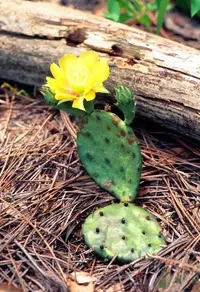
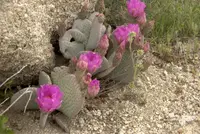
Beavertail pricklypear (Opuntia basilaris) is a low-growing desert cactus with flat, oval pads and short, fuzzy-looking spines called glochids. It often forms wide clumps that stay close to the ground.

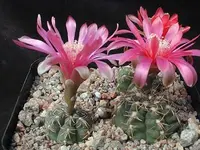
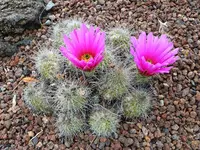
The pads are usually blue-green to gray-green, and in spring the plant produces bright magenta flowers that are very showy in dry landscapes. It is native to arid regions of the southwestern United States and northern Mexico, where it thrives in rocky, well-drained soils.

This species is generally easy to grow if kept in strong light, very sharp drainage, and low to moderate moisture. Understanding how to care for beavertail pricklypear mainly involves avoiding overwatering and protecting from prolonged cold, wet conditions.

Main Plant Requirements

Care Difficulty

Easy Care

Light Preference

Full Sun

Water Requirements

Low Water

Temperature Preference

Warm Climate

Hardiness Zone

8–10

Soil Texture

Sandy, Loamy, Rocky

Soil pH

Slightly acidic (6.5–7.0), Slightly alkaline (7.0–7.5)

Soil Drainage

Well-drained

Fertilization

Minimal (feed rarely)

Get Personalized Care Plan

Scan your plant to receive care tips personalized for your specific plant

Available on iOS and Android

How to Care for the beavertail pricklypear

Opuntia basilaris thrives in strong, consistent sun similar to its native desert habitat.

  • Provide 6–10 hours of direct sun daily, with full morning sun and some light afternoon shade in very hot climates to prevent pad scorch.
  • In cooler or coastal areas, full sun all day is ideal; in hotter inland sites, protect from harsh west-facing sun using light shade cloth or neighboring plants.
  • If pads stretch, lean, or turn dull green, the plant is not getting enough sun; gradually increase exposure over 7–14 days to avoid sunburn.

This desert cactus prefers infrequent, deep watering and fast-drying soil.

  • Outdoors in arid climates, water only when the top 5–8 cm of soil is completely dry, then soak the root zone and let excess drain away.
  • Use very well-draining, gritty soil or a rocky slope so water never pools around roots; Opuntia basilaris is highly prone to rot in compact, wet ground.
  • In spring–summer, slight pad wrinkling signals it is time to water; soft, yellowing, or blackened pads indicate overwatering and require longer dry periods.

This species is adapted to wide temperature swings but still has limits for safe growth.

  • Active growth is best at 70–95°F (21–35°C); it tolerates brief heat up to about 105°F (40°C) if soil is dry and airflow is good.
  • Mature plants usually survive down to about 10–15°F (-12–-9°C) when soil is sharply drained; younger plants are safer above 20°F (-6°C).
  • In cold-winter areas, provide a very dry winter rest and, if possible, shelter from freezing rain and wet snow to prevent pad damage and crown rot.

This cactus handles dry indoor air well and rarely needs special humidity management.

This desert cactus needs very fast-draining, mineral-heavy soil to prevent root rot.

  • Use a mix of 50–70% coarse mineral material (pumice, perlite, grit, or coarse sand) with 30–50% lean cactus potting mix.
  • Aim for slightly acidic to neutral pH around 6.0–7.5, avoiding strongly acidic or alkaline substrates that can lock up nutrients.
  • Increase aeration by using chunky particles (5–10 mm) and avoiding fine peat or clay that compacts and holds water too long.
  • For outdoor planting, choose a mound or raised bed so water drains away quickly from Opuntia basilaris crowns.

This species adapts well to container culture when drainage and stability are managed carefully.

  • Choose a wide, shallow pot that matches the spreading pad habit and prevents the plant from becoming unstable in wind.
  • Select unglazed terracotta if extra moisture loss is needed, or thicker ceramic where heat and rapid drying are a problem.
  • Position the container on pot feet or bricks so drainage holes stay clear and water cannot pool under the base.

This desert cactus benefits from very light feeding but grows acceptably with minimal fertilizer in lean, gritty soil.

  • Use a diluted balanced liquid fertilizer (around 10-10-10) or cactus-specific feed at 1/4–1/2 strength during active growth in spring–summer.
  • Apply at most every 4–6 weeks; growing beavertail pricklypear in poor, fast-draining soil helps prevent excess vigor and rot.
  • Avoid compost-rich mixes or frequent feeding, which increase risk of soft growth and fungal problems.
  • Stop fertilizing in fall–winter to allow natural dormancy and reduce nutrient stress.

Pruning Opuntia basilaris is light and mainly corrective, focused on safety and plant health rather than shaping.

  • Best time is late spring to early summer when pads are actively growing and heal faster.
  • Remove dead, diseased, frost-damaged, or badly scarred pads at their joints to maintain appearance and reduce infection sources.
  • Thin very crowded or sprawling pads to improve airflow and reduce top-heaviness, keeping a stable, low mound form.
  • Use long-handled, sharp pruners and thick gloves; disinfect blades with alcohol between cuts to limit disease spread.

This cactus is slow-growing and prefers infrequent disturbance, whether in containers or in the ground.

  • Repot or transplant only when roots circle the pot, growth slows without other cause, or the plant becomes unstable or top-heavy.
  • Choose late spring to early summer, when warm soil supports rapid root recovery and reduces transplant shock.
  • Plan on repotting container plants roughly every 3–5 years into a slightly wider pot with fast-draining cactus mix.
  • Handle pads by their base, keep roots as intact as possible, and withhold water for 3–5 days after moving to let any injuries callus.

This species is commonly propagated from pads, with seeds used mainly for larger-scale or conservation growing.

  • Take healthy, mature pads in late spring–summer; let cut ends dry and callus for 5–10 days in a shaded, airy place.
  • Insert the callused end into barely moist, gritty cactus mix and keep in bright, indirect light until new roots and pads appear.
  • Water sparingly during rooting, allowing the mix to dry almost completely to prevent rot.
  • For seeds, use a shallow tray with well-draining mix, provide warmth (70–80°F), light, and very light, even moisture until germination.

This cactus is fairly cold hardy when kept dry but benefits from basic winter moisture and site management.

  • Mature plants tolerate short dips to about 10–15°F if soil is very well drained and stays mostly dry.
  • In cold, wet climates, mound or amend soil so water drains quickly away from the root zone in winter.
  • For in-ground plants in marginal zones, place a light gravel mulch around the base to reduce freeze–thaw stress.
  • Move containers under a roof, cold frame, or unheated bright space, keeping them cool and almost completely dry.

Care Tips

Use mineral mulch

Spread a 2–5 cm layer of coarse gravel or small rocks around the pads instead of organic mulch to keep the crown dry, reduce rot risk, and reflect extra light onto the plant.

Elevate in wet climates

In regions with regular rain or slow-draining native soil, plant on a raised mound or low rock berm so excess water runs off quickly and the root zone stays aerated.

Winter rain protection

In areas with cold, wet winters, place a clear, vented cover or cold frame over the plant from late fall to early spring to keep rain off the pads while still allowing light and airflow.

Safe pad handling

When removing or repositioning pads, use long metal tongs and thick folded newspaper or a piece of carpet as a grip to avoid contact with the tiny glochids, then let cut surfaces callus for several days before replanting.

Use rocky companions

Combine with other dryland, low-growing succulents and rocks to create air gaps around the pads, which improves airflow, speeds drying after rain, and supports long-term success when growing beavertail pricklypear.

Common Pests and Diseases

Cochineal scale

This pest forms white, cottony clusters on pads and feeds on sap, causing yellowing, pad weakening, and sometimes dieback if populations are high.

Solution

Physically remove clusters with a strong stream of water, then dab remaining insects with cotton swabs dipped in 70% isopropyl alcohol; in larger outdoor clumps, repeated hard hosing plus a light application of insecticidal soap on a dry, warm day usually controls outbreaks while preserving beneficial insects.

Cactus mealybugs

These insects hide in pad joints and under spines, leaving cottony tufts and sticky honeydew that can attract sooty mold and ants.

Solution

Quarantine affected plants, then spot-treat with 70% isopropyl alcohol on a cotton swab or small brush; for heavier infestations, use insecticidal soap or a systemic insecticide labeled for cacti, applied according to label directions and repeated after 7–10 days if needed.

Cactus longhorn beetles

This pest lays eggs at the base of plants; larvae tunnel into pads and lower stems, causing pads to collapse and whole segments to break away from the clump.

Solution

Inspect plants regularly at night and hand-remove adult beetles, destroy and discard bored-out or collapsing pads, and keep the base area clear of debris so larvae and adults are easier to spot; in high-pressure areas, some growers surround clumps with fine wire mesh collars sunk a few cm into the soil to reduce egg-laying at the crown.

Phyllosticta pad spot

This disease causes small, sunken, dark spots on pads that can enlarge into rough, corky lesions, especially after cool, wet periods or overhead watering.

Solution

Prune and discard affected pads, avoid wetting the pads when watering, and improve air movement around the plant; in areas with repeated issues, a copper-based fungicide labeled for ornamental cacti can be applied preventively during cool, wet spells as part of overall Opuntia basilaris care instructions.

Soft pad rot (bacterial)

Symptoms include water-soaked, mushy patches on pads that may smell sour and spread rapidly in warm, humid conditions or after physical damage.

Solution

Cut away all soft, discolored tissue with a sterile knife, dust fresh cuts with sulfur or a dry fungicide powder, and keep the plant in a dry, airy location until wounds callus; reduce watering, avoid splashing soil onto pads, and space plants so pads dry quickly after rain or irrigation.

Interesting Facts

Beavertail pad anatomy

The pads of this species are actually flattened stems, not leaves, and perform most of the plant’s photosynthesis while also storing water for long dry periods in its Mojave and Sonoran Desert habitats.

Papery spine sheaths

Its short, barbed spines are enclosed in thin papery sheaths that can reflect sunlight and reduce heat load, an adaptation that helps protect the pads from sun damage and water loss in exposed desert sites.

Specialist cactus bees

The bright magenta spring flowers are visited by native cactus bees in the genus Diadasia, which are pollen specialists that rely heavily on beavertail pricklypear and related cacti for food.

Botan icon

Did you know?

This cactus naturally accumulates high levels of soluble sugars and mucilage in its pads, which function like internal antifreeze and water reservoirs, allowing the plant to survive both intense drought and occasional subfreezing desert nights.

FAQs about beavertail pricklypear

This desert cactus performs best outdoors in full sun, dry air, and fast-draining ground. Indoors it often becomes weak and etiolated. Beavertail pricklypear indoor care is possible only in the brightest, sunniest windows with minimal watering.

Grow Healthy Plants with Botan Care

Keep your plants happy and healthy with plant identification, disease detection, and easy care guidance.

Botan plant care app — identify plants on mobile

Explore More Plants