Use Gravel Mulch
Apply a 2–5 cm layer of coarse gravel or small rocks around the pads instead of organic mulch to reduce rot risk, keep pads clean, and mimic the plant’s natural rocky habitat.

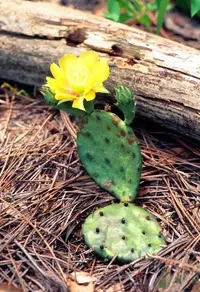
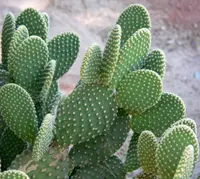
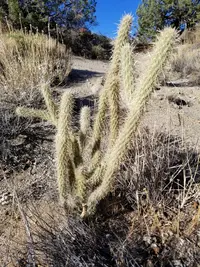
Eastern prickly pear, Opuntia humifusa, is a low-growing cactus native to dry, sandy or rocky habitats across eastern and central North America. It forms spreading pads that sit close to the ground, with sharp spines and tiny barbed hairs, and produces showy yellow flowers followed by edible red fruits.
This species tolerates heat, drought, and poor soils, so it adapts well to low-maintenance gardens and containers. It prefers full sun, fast-draining soil, and minimal watering, which makes how to care for Eastern Prickly Pear relatively straightforward for beginners.

Care Difficulty
Easy Care

Light Preference
Full Sun

Water Requirements
Low Water

Temperature Preference
Cold Hardy

Hardiness Zone
4–9

Soil Texture
Sandy, Loamy, Rocky

Soil pH
Slightly acidic (6.5–7.0), Slightly alkaline (7.0–7.5)

Soil Drainage
Well-drained

Fertilization
Minimal (feed rarely)
Scan your plant to receive care tips personalized for your specific plant
Available on iOS and Android
Opuntia humifusa thrives in strong, direct sun typical of open, dry habitats.
This cactus is highly drought-tolerant and needs infrequent but thorough watering.
This species is a cold-hardy cactus that also tolerates substantial summer heat.
Humidity is rarely a concern for Opuntia humifusa, which is adapted to dry air.
Opuntia humifusa grows best in very fast-draining, mineral-heavy soil that dries quickly.
This species is suitable for container growing when the pot is set up to drain and stay stable.
This hardy cactus needs only light feeding, as many native species perform well in poor soils.
Pruning Opuntia humifusa is mainly corrective, keeping the plant safe, tidy, and well-shaped.
This species is usually grown in the ground, but it can be transplanted or container-grown when needed.
New plants are most commonly produced from pad cuttings rather than seeds.
This cactus is naturally cold hardy in much of its range and often needs minimal winter attention.

Plant Health Check
Not sure what's wrong with your plant? Check your plant's health inside the app.
This species is one of the few cacti native to the eastern United States, naturally occurring as far north as parts of New England where winter temperatures regularly drop below freezing.
In cold climates, its pads can partially dehydrate and shrink in winter, reducing ice formation in the tissues and acting like a natural antifreeze system that helps it survive subfreezing conditions.
Its summer flowers support native bees and other pollinators, while the late-season fruits are an important food source for birds and small mammals that also help spread its seeds.

Archaeological evidence from eastern North America indicates that Indigenous peoples intentionally managed and transported this cactus, suggesting it was valued both as a food plant and as a living barrier long before European contact, which is an important context for Opuntia humifusa plant care in culturally sensitive restoration projects.
Lack of flowers usually comes from insufficient light, plants being too young, or overly rich, moist soil. This species blooms best in full sun, lean sandy soil, and after experiencing a cool winter dormancy period.
Keep your plants happy and healthy with plant identification, disease detection, and easy care guidance.