Root suckers control
Inspect the base of the shrub in late spring and again in midsummer, cutting unwanted root suckers at soil level to keep the plant from forming an unmanageable thicket and to direct energy into the main framework branches.

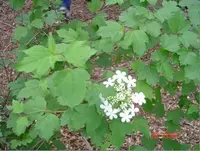
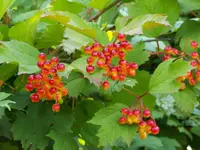
High bush cranberry, Viburnum trilobum, is a deciduous shrub valued for its white spring flowers, bright red berries, and strong fall color. It usually forms a rounded, bushy shape and works well in hedges or naturalistic borders.
This species is native to cooler regions of North America, often growing along woodland edges and stream banks. Once established, it is considered fairly resilient and forgiving of average garden conditions.
Plants prefer sun to light shade, consistent moisture, and moderately fertile, well-drained soil. Understanding these basic needs makes it easier to learn how to care for high bush cranberry in home landscapes.

Care Difficulty
Easy Care

Light Preference
Full Sun

Water Requirements
Regular Water

Temperature Preference
Cold Hardy

Hardiness Zone
2–7

Soil Texture
Loamy, Clay, Organic-rich

Soil pH
Acidic (5.5–6.5), Slightly acidic (6.5–7.0)

Soil Drainage
Moist but well-drained

Fertilization
Minimal (feed rarely)
Scan your plant to receive care tips personalized for your specific plant
Available on iOS and Android
Viburnum trilobum thrives in bright outdoor locations with a balance of sun and light shade.
This shrub prefers consistently moist, well-drained soil rather than extremes of dryness or saturation.
This cold-hardy shrub tolerates a wide temperature range but grows best in moderate conditions.
Humidity is rarely a limiting factor for Viburnum trilobum outdoors in typical garden climates.
This shrub prefers consistently moist, structured soil that holds water yet drains freely.
This species can be grown in large outdoor containers, but long-term success is easier in the ground.
Viburnum trilobum is not a heavy feeder but responds well to modest, well-timed nutrition in average garden soil.
Pruning Viburnum trilobum helps maintain a balanced shape and supports healthy flowering and fruiting.
This shrub is usually grown in the ground; focus on transplanting rather than long-term container culture.
Viburnum trilobum is commonly propagated from cuttings, layering, or seeds for landscape use.
This shrub is cold hardy in much of North America and usually needs only modest winter care in the landscape.

Plant Health Check
Not sure what's wrong with your plant? Check your plant's health inside the app.
This species is native to northern North America, where it naturally occurs along streambanks, wetlands, and forest edges, forming part of early-successional shrub communities.
Its bright red fruits are technically drupes, not true berries, and they are an important late-season food source for birds, which disperse the seeds after eating the soft pulp.
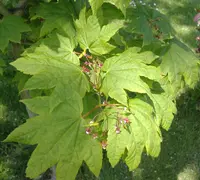
The leaves are distinctly 3-lobed and resemble small maple leaves, which makes this shrub easy to distinguish from many other viburnums in the landscape.
In Canada and parts of the northern United States, the tart, persistent fruits of this shrub have a long history of traditional use in preserves and jellies, where their natural pectin content helps jams set without heavy processing.
Lack of flowers usually comes from too much shade, heavy pruning of older wood, or nutrient imbalance. This shrub blooms on 2+ year-old stems, so avoid hard spring pruning and use a balanced, not high-nitrogen, fertilizer.
Keep your plants happy and healthy with plant identification, disease detection, and easy care guidance.