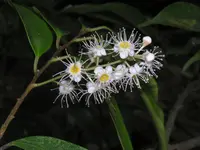
Japanese walnut Care (Juglans ailanthifolia)

Japanese walnut

About Japanese walnut

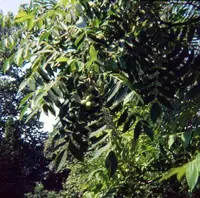
Japanese walnut (Juglans ailanthifolia) is a deciduous nut tree valued for its broad crown, attractive foliage, and edible nuts. It forms a medium to large tree with gray bark and long, feathered leaves that give it a lush, layered appearance in the growing season.

This species is native to Japan and parts of eastern Russia, where it grows in cool-temperate forests and mountain valleys. It tends to be hardy and fairly vigorous, but its eventual size and strong root system mean it suits larger gardens and open sites.

It usually prefers full sun, evenly moist but well-drained soil, and space for deep roots. Understanding how to care for Japanese walnut starts with planning enough room for its mature spread and height.

Main Plant Requirements

Care Difficulty

Moderate Care

Light Preference

Full Sun

Water Requirements

Moderate Water

Temperature Preference

Cold Hardy

Hardiness Zone

4–7

Soil Texture

Loamy, Sandy, Clay

Soil pH

Acidic (5.5–6.5), Slightly acidic (6.5–7.0)

Soil Drainage

Moist but well-drained

Fertilization

Minimal (feed rarely)

Get Personalized Care Plan

Scan your plant to receive care tips personalized for your specific plant

Available on iOS and Android

How to Care for the Japanese walnut

This hardy deciduous tree prefers full sun for strong growth and nut production.

  • Provide 6–8 hours of direct sun daily; full sun from morning into early afternoon promotes dense canopies and better yields.
  • Tree tolerates light partial shade, especially in hot climates, but too much shade causes sparse branching, taller, weaker growth, and reduced nut set.
  • In hot regions, protect from intense late-afternoon summer sun with slight western shade to reduce leaf scorch and water stress for Japanese walnut.

This deep-rooted tree prefers consistently moist but not waterlogged soil, especially while establishing.

  • Irrigate when the top 5–8 cm of soil feels dry, giving a slow, deep soak to wet the root zone rather than frequent shallow watering.
  • In the first 2–3 years, increase watering during hot, dry spells; once established, rely mostly on rainfall, supplementing only during prolonged drought.
  • Ensure well-drained loam; persistent puddling, yellowing leaves, or dieback suggest overwatering, while curling, browning leaf edges signal drought stress in Juglans ailanthifolia.

This cold-hardy tree thrives in temperate climates with distinct winters and warm summers.

  • Optimal growing-season temperatures are about 65–80°F (18–27°C), supporting steady shoot extension and nut development.
  • Dormant trees tolerate winter lows near -20°F (-29°C), but young plants benefit from mulch and wind protection in very exposed sites.
  • Heat above 90°F (32°C) can cause leaf scorch in dry, windy conditions, so maintain soil moisture and avoid reflected heat from nearby pavement in midsummer.

Humidity is not a major factor for this hardy temperate tree.

Juglans ailanthifolia prefers deep, moisture-retentive yet well-drained mineral soil.

  • Use a loamy structure with moderate clay content, enriched with 20–30% mature compost for organic matter.
  • Ensure drainage by avoiding compacted layers; incorporate coarse sand or fine gravel into heavy sites to improve percolation.
  • Aim for slightly acidic to neutral pH around 6.0–7.5, avoiding strongly acidic or strongly alkaline soils.
  • Prevent waterlogging by shaping a slight surface slope or using raised rows on sites with slow drainage.

This species is generally unsuitable for long-term container growing due to its vigorous root system and eventual size.

This tree grows well in reasonably fertile soil and usually needs only modest feeding once established.

  • For young Japanese walnut trees, apply a balanced slow-release fertilizer (such as 10-10-10) in early spring before leaf-out.
  • Use 1/2-strength rates compared with heavy-feeding fruit trees, based on trunk diameter and product label directions.
  • Supplement with a light surface layer of compost over the root zone each spring to maintain soil organic matter.
  • Avoid feeding after midsummer and do not fertilize during winter dormancy to prevent soft, frost-prone growth.

Juglans ailanthifolia benefits from light structural pruning to maintain a strong framework and safe clearance.

  • Carry out main pruning in late winter while the tree is fully dormant and branch structure is visible.
  • Remove dead, diseased, crossing, or inward-growing branches using clean, sharp bypass pruners or a pruning saw.
  • Thin congested interior shoots to improve light penetration and airflow, which supports healthier foliage.
  • Limit cuts to smaller branches where possible, preserving the natural form and reducing large wound surfaces.

This species is usually field-grown, so management focuses on timely transplanting from nursery containers or seed beds.

  • Transplant young trees in late fall or very early spring while fully dormant, before buds swell.
  • Look for roots circling the pot, poor drainage, or slowed growth as signs container plants need a larger space.
  • Move up 1–2 pot sizes or into the ground, loosening circling roots and keeping the root flare at soil level.
  • Water deeply after planting, apply 5–8 cm of mulch over the root zone, and avoid heavy pruning to reduce stress.

New Juglans ailanthifolia plants are most reliably produced from seed, though this is a slow method.

  • Collect ripe nuts in fall, remove husks, and sow fresh or store cool and moist for several months of cold stratification.
  • Sow seeds 2–5 cm deep in well-drained soil, outdoors or in deep containers, protected from rodents.
  • Maintain even moisture but not waterlogging; germination usually occurs in spring after adequate chilling.
  • Grafting onto compatible rootstocks is used in orchards to standardize vigor and nut quality.

Established trees are cold-hardy and usually require little active winter care in typical temperate climates.

  • Young or newly planted trees benefit from 5–8 cm of mulch over the root zone, kept away from the trunk.
  • In very cold or exposed sites, use a breathable trunk wrap on first- and second-year trees to limit bark injury.
  • Container-grown specimens should be moved into a sheltered, unheated but frost-moderated area where roots will not freeze solid.

Care Tips

Establish deep roots

During the first 3–4 years, apply water less often but in high volume to moisten soil 45–60 cm deep, which encourages a deep, drought-resilient root system and better anchorage against wind.

Protect trunk flare

Keep mulch and soil pulled back 5–10 cm from the trunk base so the root flare remains visible and dry, which reduces risk of bark rot and girdling roots as the tree matures.

Plan canopy spacing

When planting, allow at least 8–10 m of clear space from other trees and buildings to prevent future shading conflicts and to maintain good air movement that helps limit foliar diseases.

Manage juglone impact

Avoid planting tomatoes, potatoes, apples, and other juglone-sensitive species within the drip line and use raised beds or containers outside this zone if food crops must be grown nearby.

Support heavy crops

As nuts begin to size up, inspect major limbs and install temporary props or soft, wide branch ties where needed to prevent breakage under heavy yields, especially in young trees with narrow crotch angles when growing Japanese walnut.

Common Pests and Diseases

walnut husk fly

This pest lays eggs in the green husk of developing nuts, and the larvae tunnel through the husk, causing black, soft, and infested husks that stain shells and reduce nut quality.

Solution

Pick up and destroy fallen infested nuts and husks promptly to break the life cycle, and use yellow sticky traps starting in early summer to monitor adult activity; in areas with severe pressure, targeted spraying with a spinosad-based product timed to adult flight can significantly reduce damage while limiting impact on beneficial insects.

walnut aphids

These insects feed on the underside of leaves, causing stippling, curling, and honeydew deposits that can lead to sooty mold and reduced tree vigor.

Solution

Encourage natural predators such as lady beetles by avoiding broad-spectrum insecticides, and if colonies are heavy, wash foliage with a strong jet of water or use a horticultural soap or light horticultural oil applied thoroughly to the undersides of leaves according to label directions.

walnut blight

This disease, caused by the bacterium Xanthomonas arboricola pv. juglandis, leads to black, sunken lesions on young shoots, leaves, catkins, and nuts, often causing nut drop and yield loss in wet springs.

Solution

Prune to improve canopy airflow, remove and dispose of infected shoots and mummified nuts, and in regions with a history of the disease, use copper-based sprays carefully timed at bud break and during prolonged wet periods, following local extension guidance for Juglans ailanthifolia care instructions to reduce resistance risk.

thousand cankers disease

This disease results from walnut twig beetles introducing the fungus Geosmithia morbida, creating many small cankers under the bark that gradually girdle branches and the main stem, leading to dieback and eventual tree death.

Solution

Monitor for branch dieback and small beetle exit holes, promptly remove and destroy heavily infested branches or entire trees where required, avoid moving firewood or logs from affected areas, and consult local forestry or extension services for regional quarantine and sanitation recommendations.

walnut scale

These sap-feeding insects attach firmly to bark and small branches, forming dense grayish or brown scale colonies that weaken trees, cause twig dieback, and create entry points for other pathogens.

Solution

Prune out and destroy heavily infested twigs, encourage natural enemies by minimizing insecticide use, and if needed apply horticultural oil during the crawler stage in late spring to early summer, ensuring thorough coverage of bark and small branches.

Interesting Facts

Distinctive heartnut form

One cultivated form of this species, often called heartnut, produces flattened, heart-shaped nuts that are much easier to crack than typical walnuts because of their thinner, more brittle shell structure.

Cold-hardy mountain native

This tree is naturally distributed in northern Japan and parts of Sakhalin and the Kuril Islands, where it grows in cool, mountainous forests and tolerates winter temperatures far below freezing.

Hybridization with Persian walnut

It readily hybridizes with Juglans regia, producing so-called buartnuts that combine traits of both parents, a feature used by breeders interested in growing Japanese walnut in colder climates.

Botan icon

Did you know?

In its native range, this walnut plays a notable ecological role as a food source for bears, squirrels, and birds, which crack and transport the nuts and help disperse the heavy seeds across forest landscapes.

FAQs about Japanese walnut

This tree grows moderately fast, often 30–60 cm per year in good conditions. Over several decades it can reach 40–60 ft tall with a broad crown, so it needs ample long-term space.

Grow Healthy Plants with Botan Care

Keep your plants happy and healthy with plant identification, disease detection, and easy care guidance.

Botan plant care app — identify plants on mobile

Explore More Plants