Deep root establishment
During the first 2–3 years, apply a slow, deep soak at the dripline every 2–4 weeks in dry periods to encourage a deep, stable root system that supports tall, wind‑resistant growth.


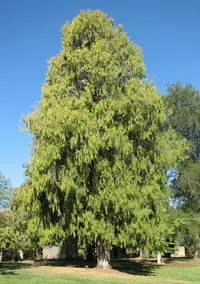
Andean walnut (Juglans neotropica) is a large, fast-growing deciduous tree valued for its high-quality timber and edible nuts. It forms a tall, straight trunk with a broad, rounded crown and attractive pinnate foliage.
This species is native to Andean cloud forests of Colombia, Ecuador, and Peru, where it grows in mild, humid mountain climates. In cultivation it prefers deep, well-drained soil and consistent moisture, and it needs space to reach its mature size.
Many growers care for Andean walnut as a long-term landscape or reforestation tree rather than a small garden specimen, due to its eventual height and root spread.

Care Difficulty
Moderate Care

Light Preference
Full Sun

Water Requirements
Moderate Water

Temperature Preference
Warm Climate

Hardiness Zone
9–11

Soil Texture
Loamy, Silty, Organic-rich

Soil pH
Acidic (5.5–6.5), Slightly acidic (6.5–7.0)

Soil Drainage
Moist but well-drained

Fertilization
Minimal (feed rarely)
Scan your plant to receive care tips personalized for your specific plant
Available on iOS and Android
This highland tree needs abundant sun but can handle some shade, especially in hotter lowland sites.
This species prefers steady soil moisture without staying waterlogged.
This Andean species favors mild, stable temperatures and is sensitive to hard frost.
Juglans neotropica handles a wide humidity range but grows best in mildly moist air.
Juglans neotropica prefers deep, moist, well-drained mineral soils with steady structure.
This species is not well suited to long-term container growing and is usually only raised in pots as a temporary nursery stage.
Juglans neotropica benefits from moderate feeding on fertile, well-structured soil, especially in young trees or poorer sites.
Pruning Juglans neotropica is mainly structural and sanitary, aimed at developing a strong, well-spaced canopy.
This species is usually field-grown; young Andean walnut trees spend only a short period in containers before transplanting.
New Juglans neotropica plants are produced mainly from seed, with vegetative methods used less often and requiring more expertise.
Mature Juglans neotropica is moderately cold tolerant in mild-winter regions and usually needs only basic winter preparation.

Plant Health Check
Not sure what's wrong with your plant? Check your plant's health inside the app.
This walnut is native to high-elevation Andean cloud forests of Colombia, Ecuador, and Peru, where it typically grows between roughly 1,200–2,400 m in humid, cool mountain conditions.
The tree produces medium to dark brown wood with a fine, straight grain that is prized for furniture and cabinetry, and has been heavily logged in parts of its range for this reason.
Its nuts are notably large with thick, hard shells and relatively small kernels compared to some other walnuts, so the species has been used more for timber than for commercial nut production.

This species is considered vulnerable or threatened in much of its native range due to overharvesting for its high-value timber and the loss of Andean montane forests, leading to conservation and reforestation projects that focus specifically on maintaining remaining genetic diversity in wild populations.
This tree is relatively fast-growing, typically adding 40–90 cm of height per year in good conditions. Growth is quicker in deep, fertile, moist but well-drained soil and slows in compacted, dry, or nutrient-poor sites.
Keep your plants happy and healthy with plant identification, disease detection, and easy care guidance.