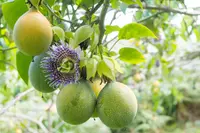
Wind training outdoors
Grow plants in a slightly exposed but not extreme windy site so stems flex in the breeze, which stimulates sturdier, deeper-rooted shrubs that better tolerate summer heat and drought.

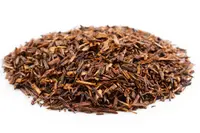
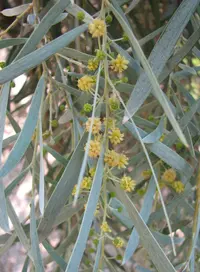
Rooibos tea, Aspalathus linearis, is a fine-leaved shrub in the legume family, native to the fynbos region of South Africa. It is best known for the herbal infusion made from its needle-like leaves and young stems.
In nature it grows on sunny, windy slopes with very nutrient-poor, sandy, acidic soils and has a deep taproot that seeks out moisture. These traits make it sensitive to poorly drained or heavy soils in cultivation.
Gardeners who want to care for Rooibos Tea should understand that it prefers bright light, low to moderate moisture, and very well-drained, lean soil, making it more challenging outside its native climate.

Care Difficulty
Hard Care

Light Preference
Full Sun

Water Requirements
Low Water

Temperature Preference
Tropical / Frost Sensitive

Hardiness Zone
10–11

Soil Texture
Sandy, Loamy

Soil pH
Strongly acidic (4.5–5.5)

Soil Drainage
Well-drained

Fertilization
Minimal (feed rarely)
Scan your plant to receive care tips personalized for your specific plant
Available on iOS and Android
This sun-loving South African shrub needs bright, direct light to grow dense and produce flavorful Rooibos Tea foliage.
This fynbos shrub prefers infrequent, light watering and dries quickly between waterings once established.
This species prefers warm, dry conditions with mild winters and does poorly in hard frost.
This fynbos shrub prefers dry, airy conditions and does not need elevated humidity.
Aspalathus linearis needs very fast-draining, sandy, low-nutrient soil to avoid root rot.
This species can be grown in containers if the setup strongly favors drainage and root aeration.
Aspalathus linearis is adapted to nutrient-poor soils and needs only very light feeding in cultivation.
Pruning Aspalathus linearis is useful to maintain a compact, flowering shrub and remove weak growth.
Aspalathus linearis is usually grown in the ground; container plants or young shrubs benefit from careful, infrequent transplanting.
Propagation of Aspalathus linearis is possible but can be challenging for home growers.
Aspalathus linearis prefers mild, frost-free winters and reacts poorly to prolonged freezing.

Plant Health Check
Not sure what's wrong with your plant? Check your plant's health inside the app.
This species forms nodules on its roots that house nitrogen-fixing bacteria, allowing it to capture atmospheric nitrogen and thrive in the nutrient-poor, sandy soils of South Africa’s fynbos biome.
In its natural habitat, seeds often germinate after exposure to heat and smoke chemicals from periodic wildfires, an adaptation that synchronizes new growth with reduced competition and freshly released soil nutrients.
Although the genus Aspalathus contains more than 200 species, commercial rooibos tea is produced almost exclusively from cultivated forms of this single species, which has been selectively bred for higher yield and milder flavor.

Wild populations of this species are highly localized to the Cederberg and surrounding mountains of the Western Cape in South Africa, meaning the global rooibos industry depends on cultivation of a plant that evolved in a very narrow, climate-sensitive native range.
Lack of flowers usually comes from insufficient light, overly rich or heavy soil, or pruning at the wrong time. This shrub blooms best in lean, sandy, well-drained soil with full sun and minimal fertilization.
Keep your plants happy and healthy with plant identification, disease detection, and easy care guidance.