Russian Sage Care (Salvia yangii)

Russian Sage

About Russian Sage

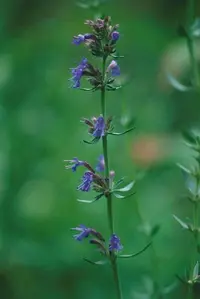
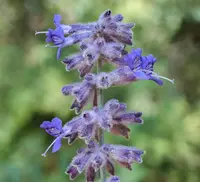
Russian sage, Salvia yangii, is a woody, herbaceous perennial grown mainly for its tall, airy spikes of small lavender-blue flowers and silvery, finely cut foliage. It forms an upright, open clump that can give a soft, hazy effect in mixed borders and drought-tolerant plantings.

The species originates from dry, open regions of Central Asia and is adapted to hot sun, wind, and relatively poor, well-drained soils. Its deep roots, aromatic leaves, and strong drought tolerance make it a reliable choice for low-maintenance gardens, as long as the site is sunny and not waterlogged. These traits explain why it is generally straightforward to care for Russian Sage in many temperate climates.

Main Plant Requirements

Care Difficulty

Easy Care

Light Preference

Full Sun

Water Requirements

Low Water

Temperature Preference

Cold Hardy

Hardiness Zone

4–9

Soil Texture

Sandy, Loamy, Rocky

Soil pH

Slightly acidic (6.5–7.0), Slightly alkaline (7.0–7.5)

Soil Drainage

Well-drained

Fertilization

Minimal (feed rarely)

Get Personalized Care Plan

Scan your plant to receive care tips personalized for your specific plant

Available on iOS and Android

How to Care for the Russian Sage

This sun-loving subshrub needs strong, consistent light to flower densely and stay compact.

  • Provide 6–8 hours of direct sun daily; Russian Sage performs best with full morning and midday sun in open, unshaded spots.
  • It tolerates light afternoon shade in very hot climates, but flowering and stem strength decline noticeably in sites with less than 4–5 hours of direct sun.
  • In spring, place new plants where surrounding trees or structures will not cast dense summer shade, or stems may stretch, pale, and flop.

This drought-tolerant perennial prefers deep, infrequent watering once established.

  • Outdoors in the ground, water only when the top 5–8 cm of soil are dry, applying a slow, deep soak that moistens the full root zone, then allow soil to dry again.
  • Use fast-draining, gritty soil; prolonged soggy conditions or puddling around the crown often cause yellowing foliage, stem dieback, and root rot in Salvia yangii.
  • In the first growing season, monitor more closely and water after leaves begin to soften slightly, then reduce frequency in following years, except during prolonged heat or drought.

This hardy perennial tolerates a wide temperature range but performs best in moderate warmth.

  • Active growth and flowering are strongest around 65–80°F (18–27°C), with good performance into the low 80s°F (28–30°C) if soil is well-drained and not waterlogged.
  • Established plants usually survive winter down to about -10 to -20°F (-23 to -29°C), dying back to the base while roots persist under mulch and snow cover.
  • In very hot periods above 90°F (32°C), expect some foliage stress; airflow and dry, free-draining soil help prevent decline despite high ambient temperatures.

This species thrives in dry to moderately dry air and rarely needs extra humidity attention.

  • Ideal humidity is 30–50%, matching most heated indoor and outdoor summer conditions in dry regions.
  • Russian Sage tolerates very dry air; problems usually come from excess moisture at the roots, not from low humidity.
  • If foliage blackens or mildews while air feels humid or stagnant, increase airflow and avoid overhead watering rather than adding humidity.

Soil for Salvia yangii must be fast-draining and relatively lean to prevent root problems.

  • Use a sandy or gritty loam with coarse particles that let water pass through quickly and keep roots aerated.
  • Aim for slightly alkaline to neutral pH around 7.0–7.8; avoid strongly acidic substrates that can reduce vigor.
  • Blend about 50–70% mineral material (sand, fine gravel, or grit) with 30–50% loamy garden soil and only a thin layer of compost.
  • Do not use heavy clay or peat-heavy mixes; if native soil is dense, amend deeply with grit and coarse sand to improve drainage.

This species is suitable for container growing if the pot ensures fast drainage and stability.

  • Choose a deep, wide container to accommodate its woody root system and reduce tipping from the tall, airy stems.
  • Use a heavy, stable pot material like ceramic or stone when placed in windy spots to prevent the plant from leaning or falling.
  • Raise the container on pot feet or bricks so drainage holes stay clear and excess water escapes quickly after rainfall or irrigation.

Salvia yangii grows well in lean soil and needs only light feeding in most garden settings.

  • Apply a thin layer of compost around the base in early spring to support new growth.
  • If growth is weak, use a balanced slow‑release fertilizer (around 10‑10‑10) once in spring.
  • Use at 1⁄2 the label strength to avoid overly lush, floppy stems.
  • Do not feed in late fall or winter, when the plant is dormant.

Pruning helps keep Salvia yangii compact, long‑blooming, and tidy.

  • Cut back old woody stems hard in late winter or very early spring, leaving 10–20 cm above ground.
  • Remove dead, damaged, or crossing stems to improve airflow and reduce disease risk.
  • Shear lightly after the first main bloom to encourage fresh growth and more flowers.
  • Use clean, sharp hand pruners and make cuts just above a healthy bud or side shoot.

This species is usually grown in the ground and only needs transplanting when overcrowded or poorly placed.

  • Transplant in early spring or early fall, when temperatures are mild and soil is workable.
  • Move plants if growth declines, clumps crowd each other, or flowering decreases despite good light.
  • Lift with a wide root ball, keep roots shaded and moist, and replant at the same soil depth.
  • Water deeply after transplanting, then allow soil to dry slightly between waterings to reduce stress.

Gardeners often increase Salvia yangii through cuttings, division, or seeds.

  • Take 7–10 cm softwood cuttings in late spring to early summer and root in a free‑draining mix.
  • Maintain bright light, 65–75°F, and lightly moist substrate to encourage fast rooting.
  • Divide mature clumps in early spring, replanting healthy sections with vigorous buds.
  • Sow seeds in late winter under light, using well‑drained soil and only a thin covering.

Russian Sage is quite cold hardy and usually needs minimal winter care in most temperate climates.

  • In fall, leave stems standing to catch snow and insulate the crown, cutting back in late winter.
  • Apply a light mulch layer (5–8 cm) around the root zone in colder regions, keeping mulch off stems.
  • For container plants in very cold areas, move pots to a sheltered, unheated but frost‑free spot.

Care Tips

Cutback timing

In cold climates, delay cutting stems to the base until late winter or very early spring so old woody growth protects the crown from freeze–thaw damage.

Airy plant spacing

Space plants 45–60 cm apart and avoid crowding with dense perennials so foliage dries quickly and woody bases receive full sun, which reduces fungal issues and keeps plants compact.

Renewal pruning cycle

Every 3–4 years, remove 1–3 of the oldest, thickest woody stems at ground level in early spring to encourage fresh, floriferous shoots and prevent the plant from becoming lanky.

Gravel collar mulch

Use a 3–5 cm collar of coarse gravel around the crown instead of organic mulch so the base stays dry, stems harden properly, and self-seeding is easier to manage when growing Russian Sage.

Wind and flop control

In windy or rich sites where stems tend to flop, install low, discreet ring supports in late spring and maintain moderate stress by avoiding excess water or fertilizer, which helps stems stay upright.

Everything About Russian Sage

Common Pests and Diseases

Spider mites

This pest often appears in hot, dry conditions and feeds on leaf sap, causing fine stippling and a dull, grayish cast to the foliage. Symptoms include very fine webbing on stems and between leaves.

Solution

Rinse plants thoroughly with a strong stream of water, focusing on the undersides of leaves, and repeat every few days until activity drops. For heavier infestations, use insecticidal soap or a horticultural oil labeled for mites, and keep the plant slightly better watered so it does not suffer drought stress while still maintaining the dry, sunny conditions that suit Salvia yangii care instructions outdoors.

Aphids

These insects cluster on tender shoots and flower spikes, sucking sap and excreting sticky honeydew that can attract sooty mold. New growth may appear curled, distorted, or stunted.

Solution

Prune off heavily infested shoot tips and discard them, then hose down remaining stems to dislodge insects. Apply insecticidal soap to growing tips and repeat every 5–7 days as needed, while encouraging natural predators such as lady beetles by avoiding broad-spectrum insecticides nearby.

Leaf spot

This disease causes irregular tan to brown spots on leaves, sometimes with a darker margin, which can coalesce and lead to premature leaf drop in humid or overcrowded plantings. Symptoms include a generally thinned, tired-looking plant rather than sudden collapse.

Solution

Remove and dispose of affected leaves and any fallen debris around the base to reduce fungal spores. Improve air circulation by thinning crowded stems, avoid overhead watering, and if the problem persists, use a labeled ornamental fungicide applied according to directions during humid periods.

Powdery mildew

This disease shows as white, powdery growth on leaves and young stems, usually in warm days with cool, humid nights. Symptoms include distorted new growth and reduced flowering if the coverage becomes heavy.

Solution

Increase spacing and airflow, water at the soil level in the morning, and remove the worst-affected shoots. Treat early infections with a horticultural oil, potassium bicarbonate, or other mildew-labeled fungicide, ensuring complete coverage of both upper and lower leaf surfaces.

Interesting Facts

Taxonomic name change

This species was long known as Perovskia atriplicifolia, but molecular DNA studies showed it actually belongs within the genus Salvia, leading to its reclassification as Salvia yangii in the mint family Lamiaceae.

Woody subshrub structure

It forms a woody-based subshrub with semi-woody stems that can persist for several years, allowing the plant to resprout reliably from its framework after harsh winters in many temperate climates.

Drought-adapted foliage

The finely divided, silvery leaves are covered in tiny hairs that reduce water loss and reflect sunlight, an adaptation to its native dry, rocky habitats in Central Asia.

Botan icon

Did you know?

In the 2010s this plant became a key breeding parent for modern ornamental hybrids such as Salvia 'Blue Steel' and related cultivars, which inherited its cold hardiness, drought tolerance, and long flowering season while gaining more compact and uniform growth for landscape use.

FAQs about Russian Sage

Lack of blooms often comes from too much shade, overly rich or wet soil, or heavy spring pruning. Ensure full sun, well-drained ground, and avoid high-nitrogen fertilizer. Older, woody clumps may need division to restore vigor.

Grow Healthy Plants with Botan Care

Keep your plants happy and healthy with plant identification, disease detection, and easy care guidance.

Botan plant care app — identify plants on mobile

Explore More Plants