


Russian Sage (Salvia yangii) Light Needs

Russian Sage grows best in full sun, with long, direct exposure through most of the day.

Light Preference

Full Sun

Salvia yangii Light Requirements

Salvia yangii is native to dry, open parts of Central and Southwest Asia, where it grows on sunny slopes, rocky ground, and sparse scrub. These habitats have strong, unobstructed light, low shade, and high summer sun. In cultivation, this background explains its need for bright outdoor exposure and good sun access for sturdy flowering stems. Preferred light is full sun.

  • Ideal exposure:

    Russian Sage needs about 6–8+ hours of full sun daily, including at least 6 hours of direct sunlight.

  • Strong sun:

    Established plants tolerate strong midday and afternoon sun well when grown outdoors in open soil.

  • Partial sun:

    Partial sun is tolerated, but flowering and stem strength usually improve as direct sun increases.

  • Shade risk:

    Shade is not suitable because it encourages loose growth and reduces the dense bloom display.

Strong sun is usually safe, but stress can appear after abrupt exposure changes.

Bleached patches:

Pale tan or whitish spots may form on leaves that were suddenly moved into intense direct sun.

One-sided scorch:

Damage often appears on the side facing hot afternoon sun or reflected heat from walls and pavement.

Crisp young tips:

Tender new shoots may dry at the tips after a sharp increase in heat and light.

Flower fade:

Blooms may fade faster during extreme sun and heat, especially in exposed containers.

Move Salvia yangii away from reflected heat, or give light afternoon shade during the hottest stretch. Increase sun exposure gradually over 7–10 days when changing sites.

Low light affects shape and flowering before it causes severe decline. Changes are most visible during active spring and summer growth.

  • Stretched stems:

    New stems may grow longer, softer, and less upright as they reach for stronger light.

  • Leaning growth:

    The plant may angle toward the brightest side instead of forming an even, upright clump.

  • Wider spacing:

    Leaves and side shoots may sit farther apart, giving the plant a thinner outline.

  • Fewer flowers:

    Flowering can be sparse or delayed when direct sun is limited for much of the day.

  • Small new growth:

    Fresh shoots may stay shorter and finer than normal in shaded positions.

Move it to a more open site with several hours of direct sun. Avoid deep shade, even if the plant remains alive there.

Choose the sunniest open position available when full sun is limited. A site with morning sun plus some early afternoon sun is a better compromise than bright shade.

Cut back nearby overhangs or competing shade where practical, and rotate container-grown plants every 1–2 weeks so all sides receive direct light.

Avoid planting against a north-facing wall or under dense cover, because those sites usually produce weak stems and fewer flowers.

Get Personalized Care Plan

Scan your plant to receive care tips personalized for your specific plant

FAQ

The best light is full sun. Russian Sage sunlight requirements are highest in open outdoor sites with about 6–8+ hours of strong daily light.

Everything About Russian Sage

More Plant Light Guides

Get the Botan App

Discover how to care for your plants with Botan.

Botan app identifying a plant with a phone camera
12 Best Plants That Repel Spiders For Your Home and Garden

8 min read · 24 Jul 2026

12 Best Plants That Repel Spiders For Your Home and Garden

Spiders constantly appear in places you don't want them. A few common plants can help repel them using scent alone. Here are 12 options suitable for both indoors and outdoors, plus care tips for each.

Plant Recommendations
12 Best Plants That Repel Spiders For Your Home and Garden
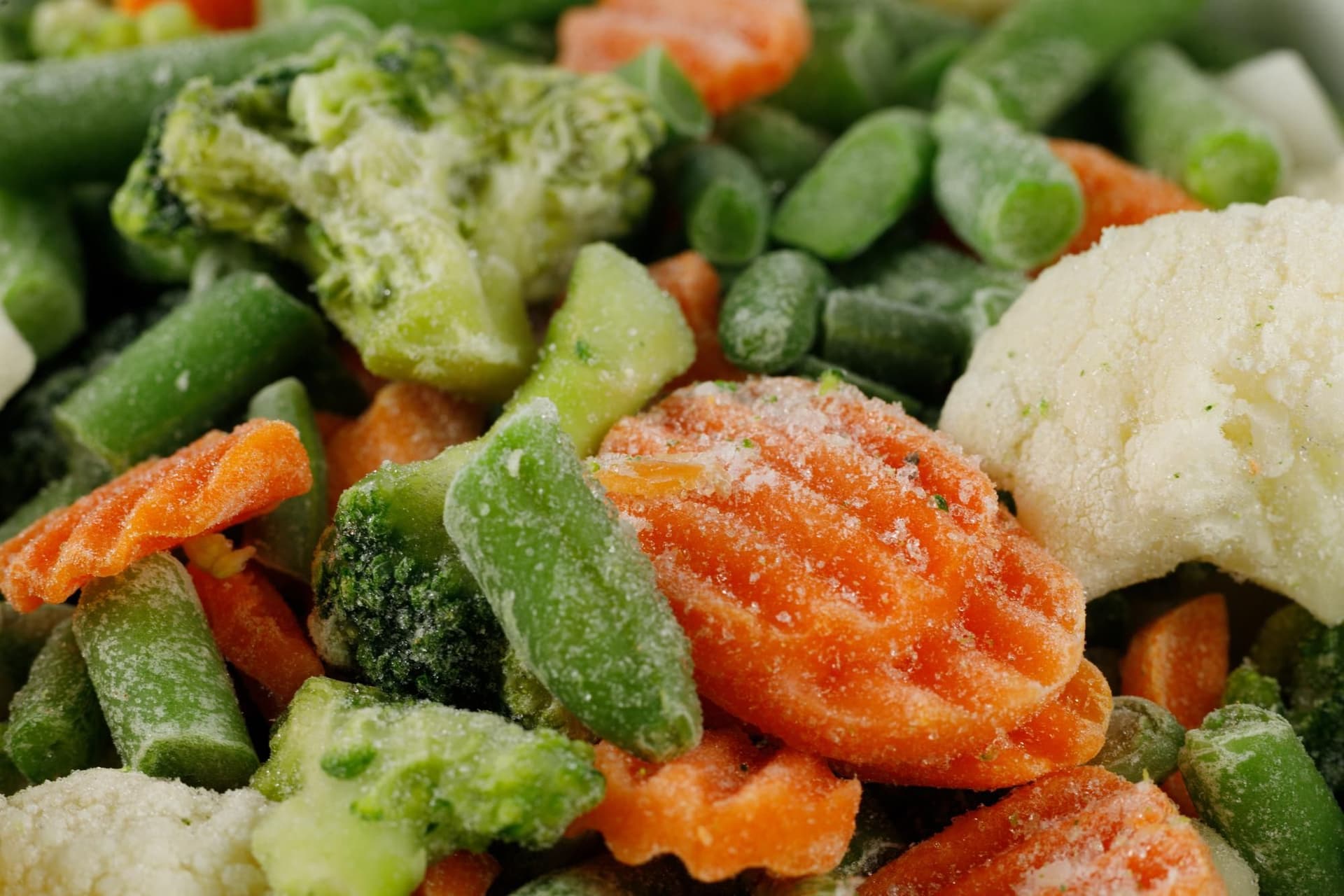
Frozen vs Fresh Vegetable Nutrients: Which Option Is Healthier?

6 min read · 8 Sept 2026

Frozen vs Fresh Vegetable Nutrients: Which Option Is Healthier?

Frozen and fresh vegetables are nutritionally comparable: frozen produce often retains vitamins just as well as fresh and may sometimes contain more. Here’s how blanching and storage affect nutrients—and when to choose each.

Plant Recommendations
Frozen vs Fresh Vegetable Nutrients: Which Option Is Healthier?
What Do Plants Need to Grow – 5 Things Every Greenery Can't Live Without

8 min read · 31 Jul 2026

What Do Plants Need to Grow – 5 Things Every Greenery Can't Live Without

To keep plants healthy and thriving, provide the right balance of light, humidity, nutrients, airflow, and quality soil. This guide covers the essentials of year-round plant care.

Beginner Guides
What Do Plants Need to Grow – 5 Things Every Greenery Can't Live Without