6 min read · 19 Aug 2026
How to Tell if a Plant Is Dead
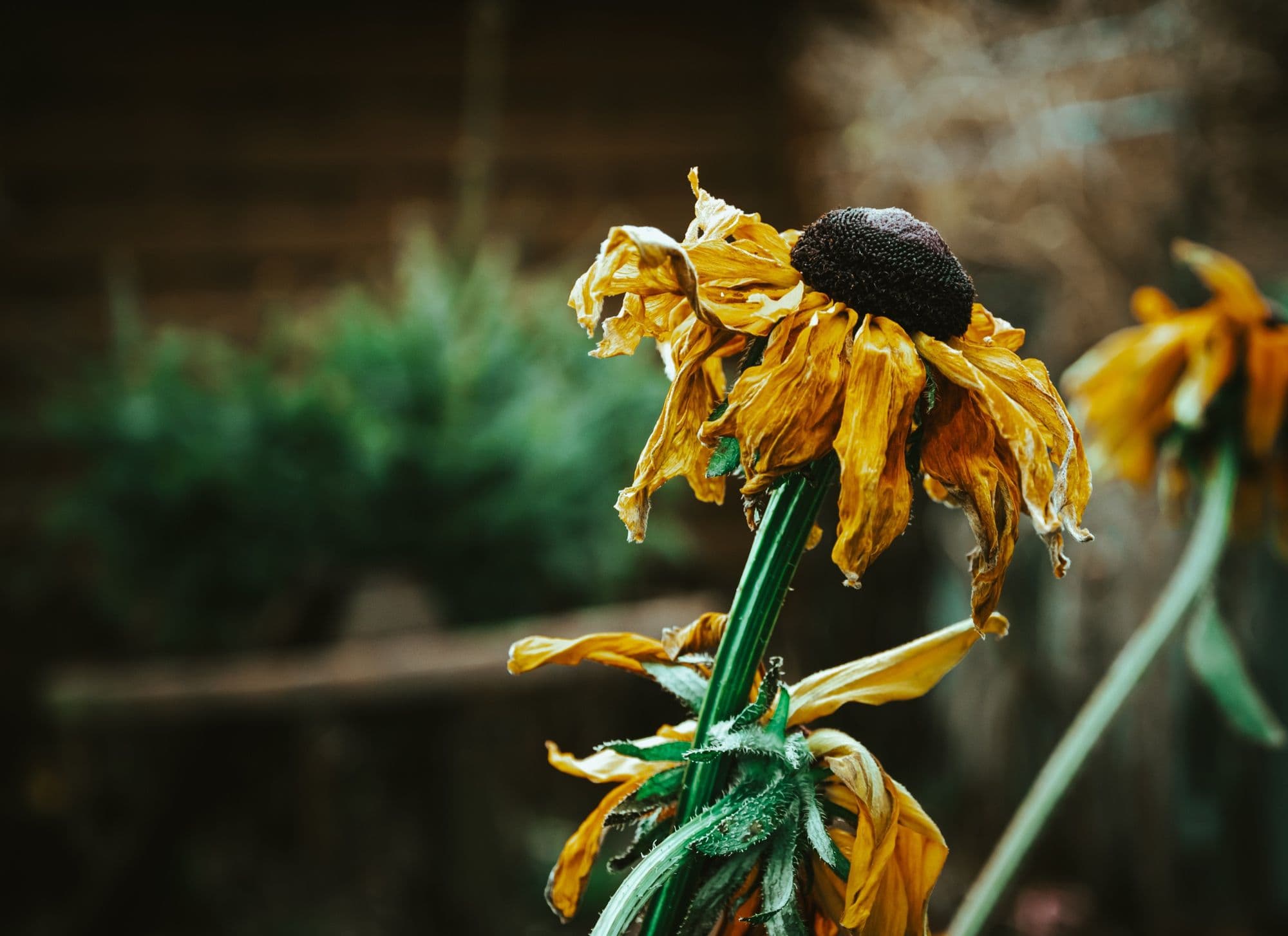
A plant can lose its leaves, stop growing, or collapse and still remain alive. A closer look at the stems, roots, bulbs, and tubers can show whether the plant still has a chance to recover.
This page explains when, how often, and how much to water Salvia yangii to support steady, healthy growth.

Water Requirements
Low Water

Native to dry, open regions, Russian sage experiences brief rainfall and freely draining soils, so it tolerates drought. Salvia yangii prefers soil that dries between waterings rather than staying consistently moist, especially in outdoor beds.
In containers it needs slightly more frequent attention than in the ground, but the overall approach to watering Russian Sage remains light and conservative, supporting its naturally resilient growth habit.
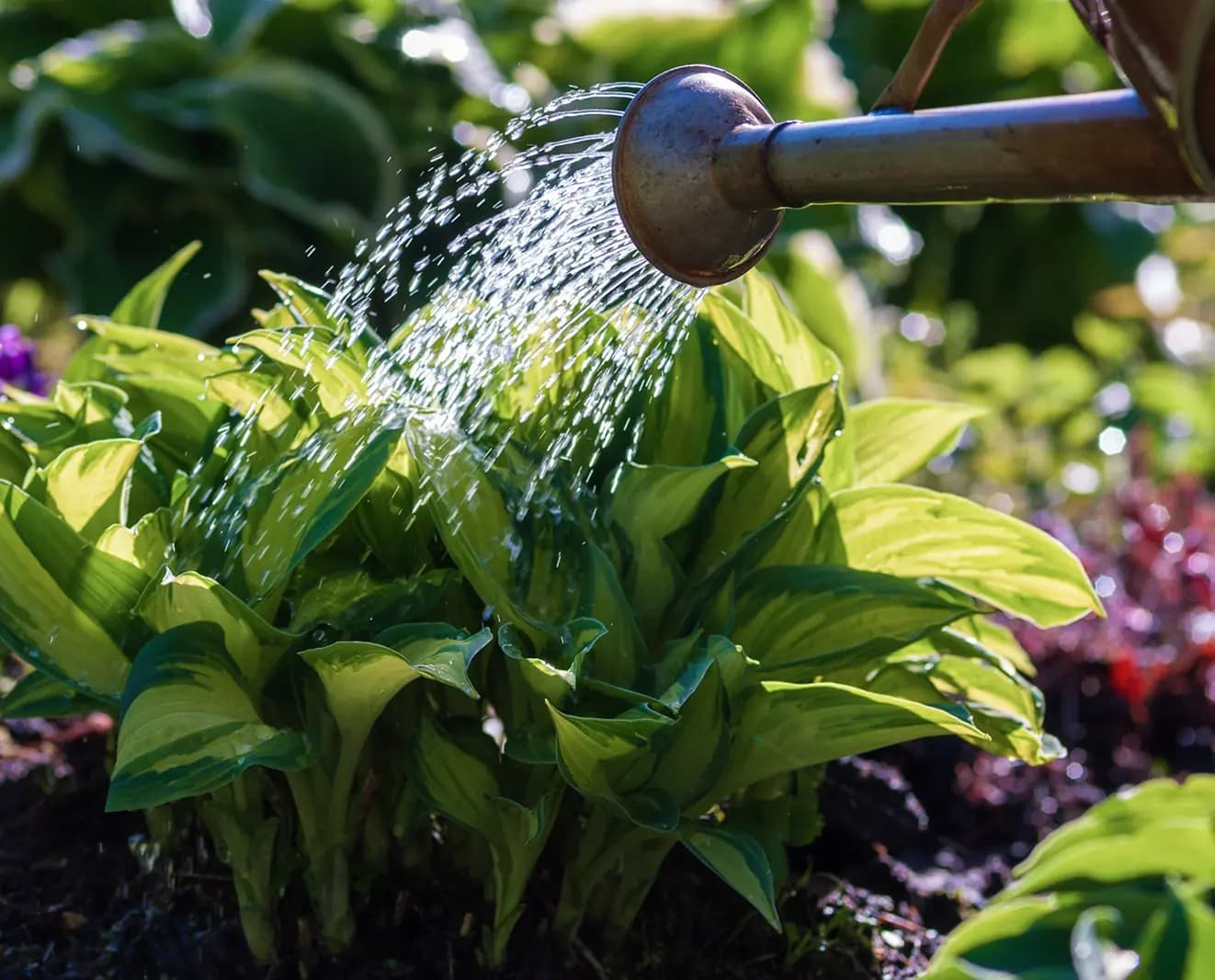
Let the soil dry out thoroughly before watering again; wait until the top 1–2 inches (3–5 cm) feel dry and dusty. In the ground, this drought-tolerant plant typically needs watering only every 2–3 weeks, though containers or very hot, windy conditions may shorten that interval.
Water Russian Sage when the top 2-3 inches of soil feel completely dry, using slow, deep watering for this drought-tolerant plant.
Incorrect moisture levels can stress Salvia yangii, disrupting growth, flowering, and long-term vigor.
Stems blacken and collapse due to chronically saturated, poorly drained soil around the root zone.
Foliage droops while soil feels wet, indicating oxygen-starved roots from persistent overwatering.
Leaf edges turn dry and brown when soil stays too dry during hot, windy weather.
New shoots remain short and sparse after prolonged moisture extremes or repeated deep drought stress.
Keep soil fast-draining and moderately dry between waterings, avoiding both persistent sogginess and extreme drought.
Unsuitable watering habits weaken Salvia yangii by stressing its drought-tolerant roots, making plants less resilient to heat and cold.
Aim for quick-draining soil, fast-drying containers, and flexible timing guided by soil feel, not by routine or appearance alone.

Watering Advice
Learn when to water your plant and avoid common watering mistakes.
Use Botan for a tailored watering guide and care procedures for Salvia yangii, plus gentle photo-based issue checks to spot watering stress, pests, or disease before they spread.

Check the top 2–3 inches of soil; water only when this layer is completely dry. Leaves may droop slightly in extreme drought, but rely on soil dryness rather than leaf appearance to decide.
Botan reviews your watering pattern to suggest more appropriate moisture levels.


6 min read · 19 Aug 2026
A plant can lose its leaves, stop growing, or collapse and still remain alive. A closer look at the stems, roots, bulbs, and tubers can show whether the plant still has a chance to recover.

8 min read · 24 Jul 2026
Spiders constantly appear in places you don't want them. A few common plants can help repel them using scent alone. Here are 12 options suitable for both indoors and outdoors, plus care tips for each.

8 min read · 6 Jul 2026
Plants that repel mosquitoes can help mask human scent naturally and make outdoor spaces more comfortable. Explore the most effective options, their benefits and drawbacks, and choose the right plant for your space.