
Texas sage (Salvia texana) Watering Guide

This page explains when, how often, and how much to water Salvia texana for straightforward, effective care.

Water Requirements

Low Water

Salvia texana Watering

Native to dry, rocky areas, Texas sage thrives where rainfall is occasional and soil dries between showers. Salvia texana prefers slight moisture followed by a drying period, rather than consistently damp ground.

In the ground, watering Texas sage centers on supplementing natural rain during longer dry spells. In containers, the same plant usually needs more frequent monitoring because potting mixes lose moisture faster than garden soil.

Let the soil dry thoroughly between waterings, then water when the top 2–3 inches (5–8 cm) feel dry and loose. In bright, hot outdoor conditions, Salvia texana typically needs water about every 10–21 days, while cooler weather or partial shade can lengthen the interval.

Water Texas sage when the top 2 inches (5 cm) of soil feel completely dry, using slow, deep, infrequent soakings.

  • Pour water at the base of the plant, keeping foliage dry to discourage prolonged surface moisture around leaves and stems.
  • Water slowly until excess drains from the bottom, ensuring the entire root zone is evenly moistened without rapid runoff.
  • Empty saucers or cachepots after watering so roots sit in freely draining soil, not in standing water.

Incorrect moisture levels may stress Salvia texana and gradually weaken overall plant health.

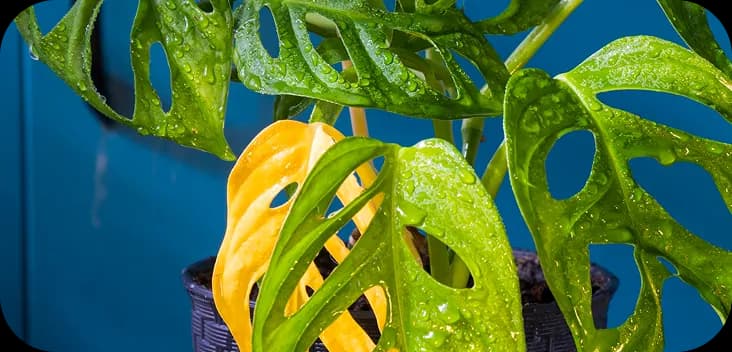
Yellowing Lower Leaves:

Older leaves fade yellow and drop as roots struggle in persistently waterlogged, poorly drained soil.

Soft Brown Stems:

Basal stems turn mushy and collapse when organic mulch or soil remains saturated for days.

Wilting In Dry Soil:

Stems and foliage droop while soil feels dusty and shrunken from prolonged underwatering.

Sparse, Stunted Growth:

New shoots stay short and thin after repeated cycles of deep drought before adequate rewatering.

Cracked Surface Soil:

Top layer hardens and splits, reducing water penetration and encouraging shallow, stressed roots.

Maintain sharply drained soil, allowing thorough drying between moderate waterings to protect roots and foliage.

Poor watering habits can weaken Salvia texana by stressing its drought-tolerant roots and inviting issues in heavy or confined setups.

  • Following a strict schedule: Watering on the calendar instead of when soil has dried leads to chronic saturation; check soil dryness before adding water.
  • Using dense, moisture-heavy soil: Planting in peat-heavy or poorly drained mixes holds water around roots; choose a gritty, fast-draining blend with added mineral material.
  • Keeping water in the saucer: Leaving pots sitting in runoff keeps roots wet for hours; empty the saucer shortly after watering so excess can drain away.

Aim for deep but occasional watering in fast-draining conditions, letting soil partly dry so this desert perennial can recover between soakings.

  • Spring: Increase watering slightly as new growth appears, letting the top few inches of its gritty soil dry well between soakings.
  • Summer: In extreme Texas heat, water a bit more often after full dry-down, especially in containers that lose moisture faster than in-ground plants.
  • Fall: Gradually extend the dry period between waterings as flowering slows, keeping roots on the drier side to prevent late-season rot.
  • Winter: In mild winters, give light, infrequent water only during extended dry spells, keeping the root zone mostly dry during semi-dormancy.

Your Assistant for Proper Watering

Use Botan for a simple watering guide and care steps for Texas sage. The app can also review plant photos to help spot early stress or other issues.

Botan plant care app — identify plants on mobile

FAQ

Water thoroughly until a little drains from the pot, then stop. In small pots this may be 1–2 cups; in large pots several cups. Allow the mix to dry well before repeating Texas sage watering.

More Plant Watering Guides

Is Your Watering Routine Hurting Your Texas sage?

Botan quickly checks if your watering pattern matches the plant’s needs.

Watering a plant with a copper watering can
Banana Peel Water for Plants: 5 Things to Know Before Trying It

5 min read · 9 Jul 2026

Banana Peel Water for Plants: 5 Things to Know Before Trying It

Banana water can provide potassium and some nutrients that may support plant growth, but it is not a universal fix. Use it carefully and only when the plant actually shows signs of nutrient deficiency rather than as a routine treatment.

Plant Care
Banana Peel Water for Plants: 5 Things to Know Before Trying It
Best Water for Plants – How to Choose the Right Type

7 min read · 13 Aug 2026

Best Water for Plants – How to Choose the Right Type

Rainwater, filtered, distilled, and tap water affect plants differently. Learn which types support healthy growth and which cause slow damage. Match each to your plants and discover how to easily improve tap water quality.

Plant Care
Best Water for Plants – How to Choose the Right Type
When to Plant Hydrangeas: Best Time by Season and Type

6 min read · 30 Oct 2026

When to Plant Hydrangeas: Best Time by Season and Type

Hydrangeas grow best when you plant them in cool weather. This guide explains when to plant hydrangeas in your area, compares fall and spring planting seasons, and shows the right steps for each type.

Beginner Guides
When to Plant Hydrangeas: Best Time by Season and Type