

Encourage Basal Growth
Pinch or lightly shear spent flower stems back to a pair of healthy lower leaves to stimulate new basal shoots and keep the plant dense instead of leggy.

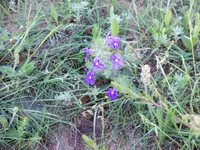
Texas sage, Salvia texana, is a compact, sun-loving perennial herb native to dry, rocky areas of Texas and parts of the southern Great Plains. It typically forms low clumps with narrow gray-green leaves and showy purple-blue flower spikes.
This species is adapted to heat, drought, and poor, well-drained soils, which makes it relatively easy to maintain in low-water gardens. It suits gardeners who want to learn how to care for Texas sage in naturalistic or prairie-style plantings.
Texas sage prefers full sun, moderate to low moisture, and soils that do not stay wet for long periods.

Care Difficulty
Easy Care

Light Preference
Full Sun

Water Requirements
Low Water

Temperature Preference
Warm Climate

Hardiness Zone
7–10

Soil Texture
Sandy, Loamy, Rocky

Soil pH
Slightly acidic (6.5–7.0), Slightly alkaline (7.0–7.5)

Soil Drainage
Well-drained

Fertilization
Minimal (feed rarely)
Scan your plant to receive care tips personalized for your specific plant
Available on iOS and Android
This sun-loving perennial thrives in strong light and open exposure.
This drought-tolerant species prefers infrequent, deep watering in fast-draining soil.
This plant is adapted to hot summers and mild to moderately cold winters.
This drought-adapted perennial tolerates low humidity and rarely needs special moisture in the air.
Salvia texana prefers mineral, fast-draining soil that mimics its native rocky habitats.
This species is suitable for container growing when the pot and substrate are managed for rapid drainage.
This drought-adapted native shrub needs modest feeding but responds to light nutrition in poor soils.
Thoughtful pruning keeps Salvia texana compact, floriferous, and healthy.
This species is usually grown in the ground, so focus on careful transplanting rather than frequent repotting.
Salvia texana is commonly propagated by seeds and softwood or semi-ripe cuttings.
This plant is generally cold hardy in its native range and needs minimal winter care in the ground.

Plant Health Check
Not sure what's wrong with your plant? Check your plant's health inside the app.
This species is naturally restricted to limestone outcrops and thin rocky soils of the Edwards Plateau region of central Texas, reflecting a strong adaptation to high-calcium, drought-prone habitats.
Salvia texana forms a tight basal rosette of leaves that hugs the ground, a growth form that helps reduce water loss and protect buds from grazing and temperature extremes.
The bluish-violet flowers are structured to favor pollination by native solitary bees, which contact the anthers and stigma as they push into the narrow corolla for nectar.

Genetic and morphological studies place Salvia texana within a small group of closely related southwestern salvias, and its restricted range and habitat specialization have led some botanists to treat it as a conservation-relevant regional endemic rather than a broadly widespread sage.
Lack of flowers usually comes from insufficient light, excess nitrogen fertilizer, or heavy, compacted soil. Ensure strong sun exposure, avoid high-nitrogen feeds, and keep soil well-drained. Mature plants also bloom more reliably than very young ones.
Keep your plants happy and healthy with plant identification, disease detection, and easy care guidance.

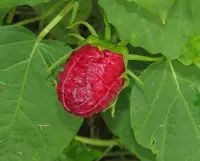
Hibiscus Luna Red
Hibiscus Luna Red
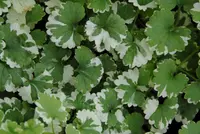
Variegated Creeping Charlie
Glechoma hederacea 'Variegata'
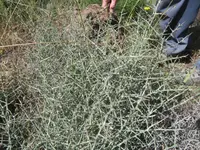
Lactuca orientalis
Lactuca orientalis
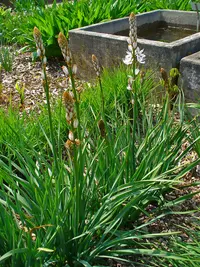
White asphodel
Asphodelus albus
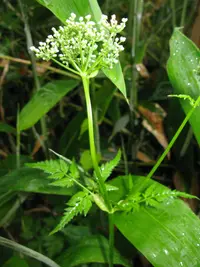
Aegopodium alpestre
Aegopodium alpestre
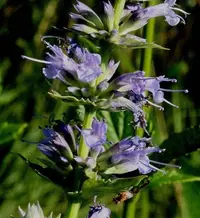
purple giant hyssop
Agastache scrophulariifolia
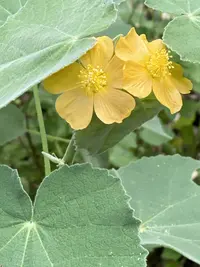
Chisos Mountain false Indianmallow
Allowissadula holosericea
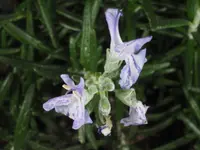
Andalusian Rosemary
Salvia × lavandulacea