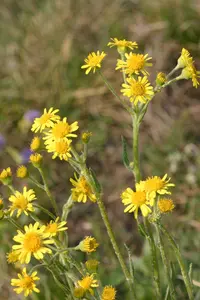
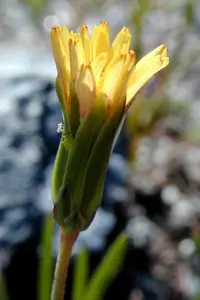
Chisos Mountain false Indianmallow Care (Allowissadula holosericea)

Also known as: velvet-leaf mallow
Chisos Mountain false Indianmallow

About Chisos Mountain false Indianmallow

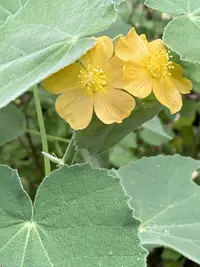
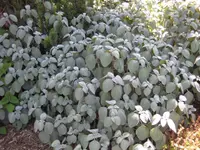
Chisos Mountain false Indianmallow, Allowissadula holosericea, is a small perennial shrub in the mallow family, valued for its soft gray-green foliage and delicate yellow flowers. It typically forms a rounded, bushy shape with fine branching and a slightly airy look.

This species is native to rocky slopes and dry habitats of the Chisos Mountains region of Texas and northern Mexico, where it tolerates heat, sun, and lean soils. Its drought tolerance and modest size make it suited to low-water and naturalistic plantings, and those conditions also guide how to care for Chisos Mountain false Indianmallow.

It generally prefers full sun, well-drained soil, and infrequent but deep watering once established, which makes it relatively low-maintenance for gardeners in suitable climates.

Main Plant Requirements

Care Difficulty

Easy Care

Light Preference

Full Sun

Water Requirements

Low Water

Temperature Preference

Warm Climate

Hardiness Zone

8–11

Soil Texture

Sandy, Loamy, Rocky

Soil pH

Slightly acidic (6.5–7.0), Neutral (7.0)

Soil Drainage

Well-drained

Fertilization

Minimal (feed rarely)

Get Personalized Care Plan

Scan your plant to receive care tips personalized for your specific plant

Available on iOS and Android

How to Care for the Chisos Mountain false Indianmallow

Allowissadula holosericea prefers strong sun but tolerates some shade in hot climates.

  • Provide 6–8 hours of direct sun daily; full sun promotes compact growth and abundant flowering of Chisos Mountain false Indianmallow.
  • In very hot summers, give morning sun with light afternoon shade to reduce leaf scorch and moisture stress, especially in exposed sites.
  • In partial shade (3–5 hours sun), expect taller, more open growth and fewer blooms; move or prune nearby plants if stems stretch markedly toward the light.

Allowissadula holosericea is drought tolerant and prefers infrequent, deep watering once established.

  • Water when the top 5–7 cm of soil is dry, then soak the root zone thoroughly, allowing excess to drain away from the plant base.
  • Use fast-draining, sandy or rocky soil; persistent puddling, algae, or a sour smell on the soil surface indicates poor drainage and risk of root rot.
  • In summer heat, watch for soft wilting and dull leaves as a cue to water; in cooler months, reduce frequency and water only after prolonged dry periods.

This species thrives in warm, arid to semi-arid climates and dislikes hard frost or extended cold.

  • Aim for growing-season temperatures of 75–95°F (24–35°C), where growth and flowering are most active in sunny, open sites.
  • Tolerates brief drops to about 20–25°F (-6 to -4°C) once mature, but young plants are more cold sensitive and benefit from mulch around the root zone.
  • Handles hot spells up to 100–105°F (38–41°C) if soil is well drained; prolonged frost, freezing winds, or waterlogged winter soils can kill stems back or the whole plant.

This species is adapted to dry, arid conditions and rarely needs added humidity.

  • Prefers 20–40% relative humidity, similar to hot, dry outdoor air in its native range.
  • Tolerates very dry indoor air; excess humidity increases risk of leaf fungal spotting and stem rot.
  • Early humidity stress shows as soft, yellowing new growth rather than crisp leaf edges in Chisos Mountain false Indianmallow.

Allowissadula holosericea prefers lean, well-drained, mineral soils that stay airy after watering.

  • Use a sandy or gritty loam, with roughly 50–60% coarse sand or fine gravel to prevent water retention around the roots.
  • Blend 20–30% inorganic material such as perlite, pumice, or small gravel to improve drainage and aeration.
  • Add only a modest amount of compost or well-rotted organic matter (10–20%) to avoid overly rich, moisture-holding substrate.
  • Avoid heavy clay, peat-heavy mixes, or compacted ground where water lingers longer than 1 day after rain.

This species can be grown in containers if the pot and medium prevent prolonged wetness.

  • Choose a deep, narrower pot to keep the root zone stable and reduce tipping in windy, exposed sites.
  • Use a heavy, non-porous container material if growing outdoors to anchor the plant’s upright, branching form.
  • Raise the pot on feet or bricks so drainage holes stay clear and runoff leaves the root zone quickly after rain or irrigation.

This drought-adapted native shrub needs only light feeding in most garden soils when caring for Chisos Mountain false Indianmallow.

  • Use a balanced, slow-release fertilizer (around 10-10-10) or a thin layer of compost once in early spring.
  • Apply at half the label rate to avoid forcing soft, weak growth in dry climates.
  • Skip feeding on very poor, dry sites unless growth is clearly stunted.
  • Do not fertilize in fall or winter, when growth slows or the plant is semi-dormant.

Allowissadula holosericea benefits from occasional, light pruning to maintain a compact, flowering shape.

  • Prune in late winter or very early spring before strong new growth begins.
  • Remove dead, damaged, or crossing stems first using clean, sharp hand pruners.
  • Thin crowded interior branches to improve air flow and light penetration.
  • Lightly shorten long, leggy shoots to encourage bushier growth and more blooms.

This species is usually grown in the ground, so focus on careful transplanting rather than frequent repotting.

  • Transplant in late winter or early spring when temperatures are mild and soil is workable.
  • Move plants when growth is slow, or when roots circle a container or emerge from drainage holes.
  • Lift with a wide root ball, keep roots shaded and moist, and replant at the same soil depth.
  • Water deeply after planting and for several weeks to reduce transplant shock and support new root growth.

Allowissadula holosericea is most often propagated from seed, with stem cuttings as a secondary option.

  • Collect ripe seeds in late summer or fall and store dry until sowing.
  • Sow seeds in spring in a well-drained, sandy mix, barely covering them and keeping them lightly moist.
  • Provide warmth around 70–75°F and bright light to support germination.
  • For cuttings, take semi-ripe stems in late spring, use rooting hormone, and place in high humidity until rooted.

This shrub is fairly cold hardy in its native range and usually needs only modest winter care.

  • In areas with frost, add a 5–8 cm layer of mulch around the root zone, keeping it off the stems.
  • Leave top growth in place until late winter, as it can insulate lower buds and stems.
  • In containers, move pots to a sheltered, frost-free or minimally frosty location with good light.

Care Tips

Heat stress management

In very hot, dry spells, apply a light mulch layer 5–8 cm away from stems to reduce root-zone temperature and moisture loss without keeping the crown constantly wet, which helps stabilize growth in exposed sites.

Wind and sprawl control

In open, windy locations, use low, discreet stakes or a short ring support early in the season to keep stems from lodging and to maintain an upright, manageable habit without forcing them rigidly vertical.

Targeted deadheading

Remove spent flowers by snipping just above the next leaf node every 1–2 weeks during peak bloom to encourage continued flowering and reduce unwanted self-seeding around the planting area.

Self-sown seed management

If volunteer seedlings appear where they are not wanted, lift them while still under 10–15 cm tall and replant into the desired area or containers, which is often easier than starting new plants from stored seed when growing Chisos Mountain false Indianmallow.

Drought conditioning schedule

After the first establishment season, gradually extend the interval between deep waterings over several weeks rather than stopping abruptly, which trains roots to explore deeper soil layers and improves long-term drought resilience.

Common Pests and Diseases

Cotton aphids

This pest feeds on young stems and leaf undersides, sucking sap and causing curling, distortion, and sticky honeydew on foliage. Symptoms include sooty mold growth on the honeydew in humid conditions.

Solution

Rinse stems and leaf undersides with a firm stream of water to remove colonies, then repeat every few days as needed. For persistent infestations, apply insecticidal soap or a light horticultural oil, coating all plant surfaces while avoiding applications during high heat above 85°F.

Spider mites

These insects are tiny sap feeders that cause fine stippling, a dull grayish cast to leaves, and delicate webbing on the undersides, especially during hot, dry weather. Symptoms include gradual leaf yellowing and premature drop on stressed plants.

Solution

Increase humidity around the plant and spray foliage thoroughly with water, focusing on leaf undersides to dislodge mites. If damage continues, use insecticidal soap or a low-rate horticultural oil at 7–10 day intervals, and space plants to improve airflow and reduce heat buildup.

Leaf spot

This disease causes small brown to tan spots on leaves that may enlarge, merge, and lead to partial defoliation in wet, humid periods. Symptoms include more severe spotting on older foliage and lower parts of the plant where moisture lingers.

Solution

Remove and discard heavily spotted leaves to reduce pathogen spread, and avoid overhead watering so foliage dries quickly. Improve spacing and airflow, water at the base in the morning, and, in severe recurring cases, consider a labeled copper or chlorothalonil fungicide applied according to local guidelines for native shrub care.

Powdery mildew

This disease appears as white, powdery patches on upper leaf surfaces, often during warm days and cool nights with poor air circulation. Symptoms include distorted new growth and reduced vigor if coverage is extensive.

Solution

Prune to open the plant canopy and increase sun and airflow, and avoid excess nitrogen fertilization that encourages soft, susceptible growth. Remove badly affected leaves and, if needed, use a sulfur or potassium bicarbonate fungicide labeled for ornamental shrubs, applied at the first sign of infection as part of broader Allowissadula holosericea care instructions.

Interesting Facts

Adaptive canyon specialist

This species is native to a very narrow range in the Chisos Mountains of Texas and nearby Mexico, where it is adapted to dry, rocky canyon slopes and limestone outcrops with intense sun and limited soil moisture.

Silky protective hairs

The foliage and stems are densely covered in fine, silky hairs that reduce water loss, reflect strong sunlight, and offer some protection from herbivores in its arid habitat.

Desert pollinator resource

Its pale yellow to cream flowers provide nectar and pollen for native bees and other insects in desert and canyon ecosystems, helping support local pollinator communities in otherwise sparse vegetation.

FAQs about Chisos Mountain false Indianmallow

Growth is moderately fast in warm, sunny, well-drained sites. Young plants often reach 60–90 cm in their first season, then slow as roots establish. Poor drainage, cold, or deep shade noticeably reduce vigor and extension growth.

Grow Healthy Plants with Botan Care

Keep your plants happy and healthy with plant identification, disease detection, and easy care guidance.

Botan plant care app — identify plants on mobile

Explore More Plants