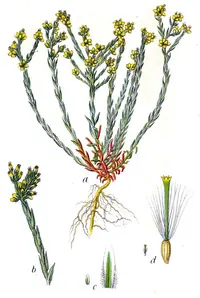
prairie false dandelion Care (Microseris cuspidata)

prairie false dandelion

About prairie false dandelion

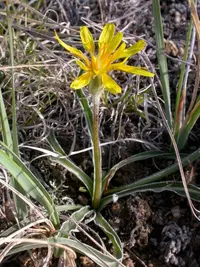
Prairie false dandelion (Microseris cuspidata) is a small North American prairie wildflower in the aster family. It forms low rosettes of narrow leaves and sends up slender stems topped with yellow, dandelion-like flower heads. Flowers open mainly in the morning and give way to fluffy seed heads that resemble those of true dandelions, but the plant is more delicate and often shorter-lived. It naturally occurs in dry prairies, open grasslands, and light-filled meadows, often on well-drained, sometimes rocky soils. This species usually prefers full sun, low to moderate moisture, and lean soil. Gardeners who learn how to care for prairie false dandelion often find it easy to grow in wildflower or naturalistic plantings.

Main Plant Requirements

Care Difficulty

Moderate Care

Light Preference

Full Sun

Water Requirements

Low Water

Temperature Preference

Cold Hardy

Hardiness Zone

3–7

Soil Texture

Sandy, Loamy, Rocky

Soil pH

Slightly acidic (6.5–7.0), Neutral (7.0)

Soil Drainage

Well-drained

Fertilization

Minimal (feed rarely)

Get Personalized Care Plan

Scan your plant to receive care tips personalized for your specific plant

Available on iOS and Android

How to Care for the prairie false dandelion

This prairie wildflower prefers open, sunny sites similar to native prairies.

  • Provide 6–8 hours of direct sun daily; light morning sun with some light afternoon shade works well in hotter regions.
  • Plant prairie false dandelion in unshaded or only lightly dappled spots; it tolerates brief partial shade but flowering may decrease.
  • Watch for signs of stress: weak, leggy growth and few blooms indicate insufficient light, while scorched, crispy leaves suggest intense, reflected afternoon sun is excessive.

This species is adapted to well-drained, seasonally dry prairie soils.

  • Allow the top 3–5 cm of soil to dry before watering; in the ground this often means waiting until the soil feels dry and slightly crumbly.
  • During active spring growth, water deeply but infrequently, then reduce watering in summer once plants are established, letting roots seek deeper moisture.
  • In Microseris cuspidata, limp, drooping foliage that perks up after rain suggests thirst, while yellowing, mushy crowns or a sour soil smell signal overwatering and poor drainage.

This prairie perennial is adapted to cool to warm temperate climates with seasonal swings.

  • Optimal growth occurs around 60–75°F (16–24°C), with strong spring development in cooler conditions and moderate early-summer warmth.
  • Established plants tolerate winter cold down to about -20°F (-29°C) in well-drained soil, but young seedlings are more vulnerable to repeated freeze-thaw cycles.
  • In hot summers above 85–90°F (29–32°C), flowering may slow; provide mulch to keep roots cooler and avoid planting in heat-reflecting spots near pavement.

This species is adapted to dry prairie air, so humidity is rarely a concern for prairie false dandelion.

This prairie wildflower prefers lean, well-drained soil that does not stay wet after rain or watering.

  • Use sandy or gravelly loam with low to moderate organic matter to mimic its native prairie conditions.
  • Ensure very sharp drainage by blending roughly 50–60% mineral material (sand or fine gravel) with 40–50% local topsoil.
  • Aim for slightly acidic to neutral pH around 6.0–7.0, avoiding strongly acidic or alkaline substrates.
  • Avoid heavy clay, compacted beds, or mixes rich in peat that hold water and reduce root aeration.

This species can be grown in containers, but performance is usually better in open ground.

  • Choose a deep pot to accommodate its taproot, prioritizing depth over width.
  • Use a gritty mix that drains within minutes after watering to prevent root rot in confined media.
  • Select a heavier clay or ceramic pot if exposed sites are windy, to keep tall flowering stems stable.

This drought-tolerant native, often called prairie false dandelion, generally needs only light feeding in lean soils.

  • Use a low-dose balanced NPK fertilizer (around 5-5-5) or a thin topdressing of compost in early spring.
  • Apply fertilizer once at the start of active growth; a second light feeding midsummer is enough in very poor soils.
  • Dilute liquid products to 1/2–1/4 strength to avoid lush, weak growth and reduced flowering.
  • Stop feeding in late summer so plants harden off before winter and remain compact.

Microseris cuspidata needs minimal pruning, mainly for cleanliness and to support flowering performance.

  • Cut spent flower stalks at the base after seed set to keep plants tidy and encourage a neater rosette.
  • Remove dead, diseased, or damaged leaves whenever noticed, using clean, sharp scissors or hand pruners.
  • In late fall or very early spring, clear away collapsed foliage to reduce disease carryover.
  • Avoid heavy cutting into healthy crowns, since this short-lived perennial relies on intact rosettes for vigor.

This species is usually grown in-ground; transplanting young plants requires care due to a developing taproot.

  • Transplant in early spring or cool early fall, before heat stress, moving plants only when small and not yet deeply rooted.
  • Look for roots circling the container drainage holes and slowed top growth as signs that seedlings need a larger pot or garden spot.
  • Handle the root ball gently and keep the taproot as intact as possible to limit transplant shock.
  • Water thoroughly after planting, then keep soil evenly moist (not soggy) for 1–2 weeks while roots re-establish.

Microseris cuspidata is most often propagated from seed rather than by division or cuttings.

  • Sow fresh seed in late fall outdoors for natural cold stratification, or in late winter after 4–6 weeks in the refrigerator.
  • Use a free-draining sandy mix and barely cover seeds, since light aids germination in many aster-family species.
  • Maintain cool to moderate temperatures (55–65°F) and consistent, light moisture until seedlings emerge.
  • Transplant seedlings carefully while small, disturbing roots as little as possible to preserve the developing taproot.

This cold-hardy perennial generally needs little winter care in its suitable outdoor range.

  • Plants tolerate typical winter frost in most temperate climates when soil drains well.
  • In colder or exposed sites, apply a light 2–5 cm mulch after the ground cools to buffer freeze–thaw cycles.
  • Avoid waterlogged conditions in winter, which are more damaging than low temperatures for the root system.

Care Tips

Staggered Sowings

Make 2–3 small sowings spaced 10–14 days apart in early spring so flowering is spread over a longer period and losses from late frosts or damping off are reduced.

Minimal Root Disturbance

Sow in place or use deep, individual cells or plugs and transplant very young seedlings with the entire plug intact to protect the taproot and reduce transplant shock.

Lean Growth Management

Avoid overly rich beds and instead use moderately fertile, well-drained ground so plants stay compact and are less likely to flop or lodge in wind or rain.

Selective Deadheading

Deadhead only part of the spent flowers to prolong blooming, but allow some seed heads to mature fully if you want self-sown seedlings and genetic diversity.

Targeted Season Extension

In colder regions, use a low hoop or row cover in early spring to warm the soil a few degrees and protect young rosettes from late frosts, which makes growing prairie false dandelion more reliable year to year.

Common Pests and Diseases

Aster leafhopper

This pest feeds on sap and can transmit aster yellows, causing yellowing, stunted growth, and deformed flower stems in prairie false dandelion stands. Symptoms include progressive chlorosis and rosettes that fail to bolt and flower normally.

Solution

Reduce nearby weedy hosts, especially other aster-family plants, and encourage natural predators like spiders and lady beetles by maintaining diverse vegetation. In small plantings, use fine insect netting during peak leafhopper activity and remove obviously symptomatic plants to limit aster yellows spread.

Cutworms

These insects are nocturnal caterpillars that chew through young stems at or just below soil level, killing first-year rosettes and newly emerged seedlings. Symptoms include severed plants that collapse suddenly while foliage still looks fresh.

Solution

Hand-pick cutworms in the evening by gently scraping the soil surface around damaged plants and destroy them. For prevention, use cardboard collars around young plants, keep dense plant debris away from crowns, and encourage ground beetles by avoiding broad-spectrum soil insecticides.

Powdery mildew

This disease causes a white to gray powdery coating on leaves and flowering stems, which can reduce vigor and seed production in dense, humid prairie plantings. Symptoms include distorted leaves and premature browning in late season.

Solution

Improve air movement by reducing overcrowding and avoiding overhead watering late in the day. Remove and discard heavily infected foliage at season’s end and, if needed, apply a sulfur or potassium bicarbonate-based fungicide early when first patches appear, following label directions.

Leaf spot complex

This disease group, usually caused by several fungi on Asteraceae, produces small tan to dark brown lesions that can merge and cause partial leaf blight on Microseris cuspidata in wet seasons. Symptoms include spotting that starts on lower, older leaves and may move upward in prolonged wet weather.

Solution

Remove and destroy heavily spotted basal leaves to reduce spore load, and avoid watering late in the day so foliage dries quickly. Maintain moderate spacing between plants and rotate plantings or avoid repeated sowing in the same small bed when leaf spot has been severe.

Interesting Facts

Prairie spring specialist

This species is native to North American prairies and open grasslands, where it typically flowers in late spring before many taller grasses fully leaf out, taking advantage of high light near the soil surface.

Single-row seed fringe

Its fruits (achenes) carry a distinctive pappus, a modified ring of bristles arranged largely in a single row, which helps wind dispersal and is one diagnostic feature used by botanists to separate it from similar dandelion-like species.

Taproot survival strategy

The plant forms a pronounced taproot that stores reserves, allowing it to survive seasonal drought, fire, and grazing, then resprout when conditions improve.

Botan icon

Did you know?

Genetic and morphological studies place this species within a small Western North American lineage of Microseris that diverged from coastal relatives, making it an important reference taxon for understanding the evolution of dandelion-like composites in prairie ecosystems.

FAQs about prairie false dandelion

This species usually blooms from late spring into early summer, depending on local climate. Flowering often peaks in May–June, with individual plants producing several flushes of yellow, dandelion-like flower heads over the season.

Grow Healthy Plants with Botan Care

Keep your plants happy and healthy with plant identification, disease detection, and easy care guidance.

Botan plant care app — identify plants on mobile

Explore More Plants