Lilyleaf Ladybells Care (Adenophora liliifolia)

Lilyleaf Ladybells

About Lilyleaf Ladybells

Lilyleaf ladybells (Adenophora liliifolia) is a delicate, herbaceous perennial from the bellflower family. It forms upright clumps with slender stems and narrow, lily-like leaves.

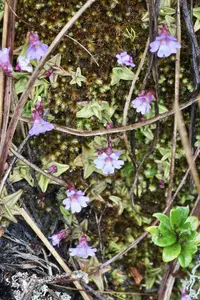
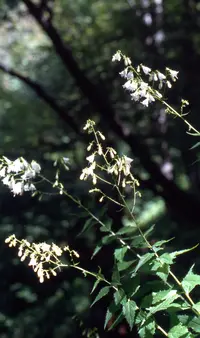
In summer it carries graceful spikes of pale lilac to bluish, bell-shaped flowers that nod gently along the stems, giving a light, airy look in mixed borders.

This species occurs naturally in open woodlands, meadows, and light forest edges across parts of Europe and western Asia, where soils are moderately fertile and well drained.

It is moderately easy to grow for gardeners who provide consistent moisture, good drainage, and partial sun, and who want to learn how to care for Lilyleaf Ladybells without very complex demands.

Main Plant Requirements

Care Difficulty

Moderate Care

Light Preference

Partial Shade

Water Requirements

Regular Water

Temperature Preference

Cold Hardy

Hardiness Zone

4–7

Soil Texture

Loamy, Silty, Organic-rich

Soil pH

Acidic (5.5–6.5), Slightly acidic (6.5–7.0)

Soil Drainage

Moist but well-drained

Fertilization

Minimal (feed rarely)

Get Personalized Care Plan

Scan your plant to receive care tips personalized for your specific plant

Available on iOS and Android

How to Care for the Lilyleaf Ladybells

This woodland perennial prefers bright, gentle light rather than intense midday sun.

  • Aim for 3–5 hours of morning sun with light or dappled shade the rest of the day, mimicking an open woodland edge.
  • Tolerates partial shade, but in deep shade stems may elongate, flowering is reduced, and plants become sparse over time.
  • In hot summers, protect Lilyleaf Ladybells from strong afternoon sun to prevent leaf scorch, especially on dry or exposed sites.

This species prefers evenly moist but not waterlogged soil throughout the growing season.

  • Water when the top 3–5 cm of soil feels dry, allowing moisture deeper down to stay slightly damp around the roots.
  • Ensure soil drains well; soggy conditions lead to root rot, wilting despite wet soil, and yellowing lower leaves in Adenophora liliifolia.
  • During cool or rainy periods, reduce watering; in hot, dry spells, monitor more often for drooping foliage and dry, crumbly soil.

This hardy perennial tolerates cool climates but grows best in moderate temperatures.

  • Ideal growing temperatures are 60–75°F (16–24°C) during the growing season, with cooler nights promoting sturdy growth.
  • Mature plants usually survive down to about -20°F (-29°C) in the ground if soil is well drained, dying back to the rootstock in winter.
  • In summer, plants handle short periods up to 85–90°F (29–32°C) if soil stays moist; prolonged heat with drought can cause leaf scorch and reduced flowering.

This species copes well with typical outdoor humidity and rarely needs special adjustments.

  • Target 40–60% humidity; brief dips lower are tolerated if soil moisture is stable.
  • Dry air may cause marginal leaf browning and slower growth, especially in hot, windy sites.
  • To buffer low humidity, use windbreaks, organic mulch, and group Lilyleaf Ladybells with other perennials to create a slightly more humid microclimate.

This woodland perennial prefers loose, moist, well-drained mineral soil with moderate organic content.

  • Use a loamy mix with roughly 50% garden soil, 30–40% compost, and 10–20% coarse sand or fine grit for structure.
  • Aim for slightly acidic to neutral pH, around 6.0–7.0, avoiding strongly alkaline sites that can limit nutrient uptake.
  • Improve drainage and aeration by incorporating coarse sand or fine gravel through the top 15–20 cm rather than only in the planting hole.
  • Avoid heavy, compacted clay, waterlogged spots, or pure peat mixes, which encourage root rot and weak, shallow rooting in Adenophora liliifolia.

This species can be grown in containers but performs best in deep, stable pots outdoors.

  • Choose a tall container at least 30–35 cm deep to accommodate its taproot and prevent root circling near the base.
  • Use a heavier material such as ceramic or thick-walled clay to reduce tipping in windy conditions as stems elongate.
  • Combine a loam-based compost with coarse sand or grit so water drains quickly while the deeper layer stays evenly moist for the roots.

This woodland perennial benefits from modest feeding in garden or container culture, especially on poor soils.

  • Apply a balanced, slow-release fertilizer (around 10-10-10) in early spring as new growth appears.
  • Use a light rate, at roughly half the label recommendation, to avoid soft, weak shoots.
  • Supplement with a thin layer of compost around the root zone once per year to improve soil structure.
  • Stop feeding Lilyleaf Ladybells by late summer and do not fertilize during winter dormancy.

Adenophora liliifolia responds well to light, targeted pruning that maintains vigor and flowering.

  • Cut back spent flowering stems in late summer to encourage tidy growth and potential light rebloom.
  • Remove dead, damaged, or disease-marked stems at ground level using clean, sharp hand pruners.
  • Thin crowded shoots in the clump to improve air circulation and reduce fungal problems.
  • In late fall or very early spring, shear old, dry stems to just above soil to refresh new growth.

This species is usually grown in the ground, where it dislikes frequent disturbance, so transplant only when necessary.

  • Plan transplanting for early spring or early fall, when temperatures are mild and soil moisture is steadier.
  • Look for signs such as congested crowns, weak flowering, or roots circling in a pot before deciding to move it.
  • Lift with a wide root ball, keep the deep taproot as intact as possible, and replant at the original depth.
  • Water thoroughly after transplanting, shade for a few days if sun is strong, and keep soil evenly moist until established.

Propagation of Adenophora liliifolia is possible but somewhat delicate due to its taprooted habit.

  • Sow fresh seeds in late fall or early spring outdoors; natural cold exposure supports germination.
  • Use a free-draining, humus-rich medium and keep it evenly moist but not waterlogged during germination.
  • Divide only mature clumps in early spring, taking large sections to reduce taproot damage and stress.
  • Plant divisions promptly, water well, and maintain light shade and steady moisture while new roots establish.

This hardy perennial tolerates typical winters in temperate climates and usually needs minimal intervention.

  • Once frost blackens the foliage, cut stems back close to ground level to reduce disease carryover.
  • Apply a 5–8 cm layer of mulch around the crown in late fall, especially in colder regions or exposed sites.
  • For container plants, move pots into a sheltered, unheated but frost-moderated spot and prevent the root ball from drying out completely.

Care Tips

Root zone mulching

Apply a 3–5 cm layer of fine bark or leaf mold around the root zone to keep the shallow roots cool, conserve moisture, and reduce weed competition without touching the stems directly.

Subtle staking support

Install low, discreet ring supports or short bamboo canes early in the season so the tall, slender flowering stems can lean on them in wind or rain without snapping.

Dividing with care

Divide mature clumps only every 4–6 years in early spring, cutting the root mass into large sections with several buds each to reduce transplant shock and maintain flowering vigor.

Edge protection strategy

Plant this species slightly behind a low edging of sturdier perennials or groundcovers to shield the delicate stems from trampling and lawn equipment.

Monitoring natural spread

Mark the original planting area and check yearly for slowly spreading shoots, lifting and replanting wayward pieces back into the main clump if you want to keep growing Lilyleaf Ladybells in a defined patch.

Common Pests and Diseases

Powdery mildew

This disease causes a white, floury coating on leaves, stems, and sometimes flower stalks, often in warm, dry conditions with poor air circulation. Symptoms include distorted new growth and gradual weakening of the plant.

Solution

Remove and dispose of heavily infected leaves, then thin surrounding vegetation to improve airflow and reduce leaf wetness duration. Avoid overhead watering, water at soil level in the morning, and if needed apply a sulfur or potassium bicarbonate-based fungicide labeled for ornamentals, following directions carefully as part of general Adenophora liliifolia care instructions.

Leaf spot

This disease produces small brown, tan, or dark purple spots that may merge into larger blotches, especially in prolonged humid or rainy weather. Symptoms include premature yellowing and dropping of older leaves from the lower part of the clump upward.

Solution

Cut off and discard affected leaves to reduce the source of infection and avoid working with the plant when foliage is wet. Improve spacing and airflow, water at the base, and in persistent cases use a copper or chlorothalonil-based fungicide labeled for ornamental perennials, rotating products if used more than once per season.

Aphids

These insects cluster on tender stems, undersides of leaves, and flower buds, sucking sap and excreting sticky honeydew that can lead to sooty mold. This pest can cause curling leaves, weakened shoots, and reduced flowering.

Solution

Spray colonies off with a firm stream of water in the morning, repeating every few days until numbers stay low. For heavier infestations, use insecticidal soap or a light horticultural oil, ensuring thorough coverage of undersides of leaves and shoot tips while avoiding application in full midday sun.

Slugs and snails

This pest feeds on tender shoots and leaves, especially in moist, shaded sites, leaving irregular holes and ragged edges. Symptoms include shredded young growth and silvery slime trails on or near the plant.

Solution

Hand-pick slugs and snails in the evening or early morning and reduce hiding spots by removing dense mulch layers, boards, and debris around the clump. Use iron phosphate slug baits placed around but not touching the crown, and maintain slightly drier surface conditions with coarse mulch to make the area less favorable to these pests.

Interesting Facts

Strict habitat specialist

This bellflower relative is strongly associated with dry to moderately moist, base-rich grasslands and light woodlands in Europe, often confined to long-unploughed, traditionally managed meadows and forest edges.

Clonal growth strategy

The species forms long, slender rhizomes (underground stems) that let it produce scattered shoots over a wider area, helping it persist in stable habitats but making isolated plants difficult to relocate in the field from year to year.

Conservation concern in Europe

In several European countries it is considered regionally endangered or critically endangered due to habitat loss, agricultural intensification, and woodland overgrowth, making Adenophora liliifolia care in situ a focus of local conservation programs.

Botan icon

Did you know?

Unlike many more conspicuous wildflowers, this species can remain unnoticed for years because individual plants may spend seasons with limited above-ground growth while surviving below the surface via their rhizomes, which complicates precise population monitoring for conservation assessments.

FAQs about Lilyleaf Ladybells

This species spreads slowly by short rhizomes and self-seeding, but it is not usually aggressive. In average garden conditions it forms modest clumps, and unwanted seedlings are easy to remove during routine maintenance.

Grow Healthy Plants with Botan Care

Keep your plants happy and healthy with plant identification, disease detection, and easy care guidance.

Botan plant care app — identify plants on mobile

Explore More Plants